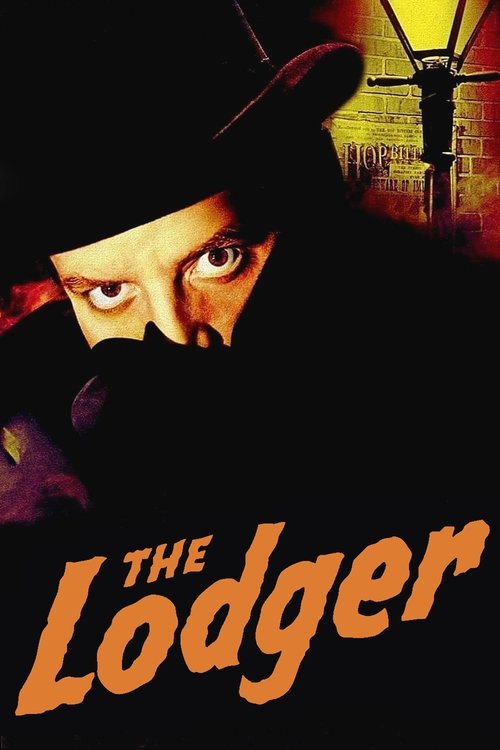
The Lodger
1944
No user ratings available yet
Representation score: 0.8 out of 10

Representation Score
Minimal
1953
ApprovedDirector
Hugo Fregonese
Runtime
82 minutes
Average Rating
No ratings yetNew Showbiz Analysis
Man in the Attic is a period thriller that prioritizes psychological suspense over social critique. It functions as a traditional character study, focusing on individual pathology within a stable, conventional Western setting. The film reinforces the social and gender hierarchies of its era. Rather than challenging power dynamics, the narrative relies on established formulas, such as the unstable male protagonist and the domestic anxieties of the female characters. Ultimately, the work lacks intentionality regarding diverse representation. It remains a product of its time, emphasizing individual psychological deviance within a homogeneous, mid-century framework.
Category Breakdown
The film operates within a strictly heterosexual framework. There is no evidence of diverse gender identities or same-sex relationships.
The narrative centers on mid-century gender hierarchies and the domestic sphere. Female characters play a significant role in detecting instability, but they primarily function as subjects of the protagonist's obsession.
Set in 1888 London, the cast appears largely homogeneous. The film adheres to standard period depictions of the Anglo-Saxon middle class without including non-white characters.
The story reinforces traditional Western social structures and the sanctity of the domestic home. It functions as a character study of obsession within a conventional societal framework.
Psychological instability drives the thriller plot through the 'dangerous madman' cliché. The film uses mental state for suspense rather than exploring the lived experience of neurodivergence.
Present on Screen
Limited or Absent
Official Synopsis
London, 1888: on the night of the third Jack the Ripper killing, soft-spoken Mr. Slade, a research pathologist, takes lodgings with the Harleys, including a gloomy attic room for "experiments." Mrs. Harley finds Slade odd and increasingly suspects the worst; her niece Lily (star of a decidedly Parisian stage revue) finds him interesting and increasingly attractive. Is Lily in danger, or are her mother's suspicions merely a red herring?
1944
1927

1959
1940

1972

1942

2019
1945
No reviews yet. Be the first to share your thoughts on this movie!
Use the rating form above to leave a star rating and optional review.