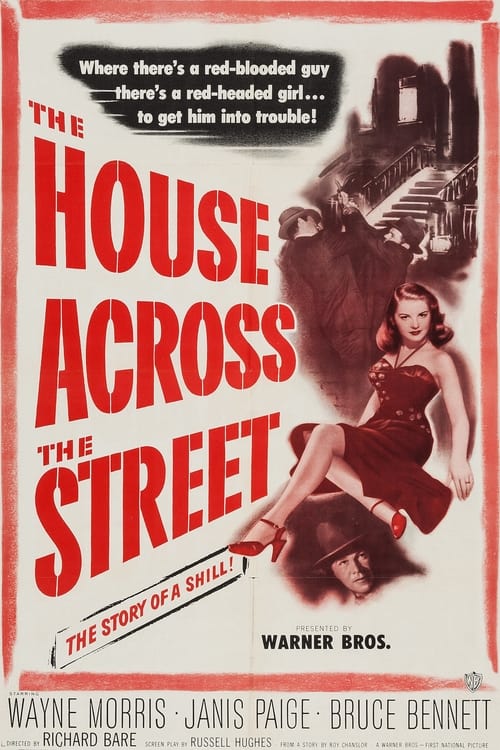
The House Across the Street
1949
No user ratings available yet
Representation score: 1.7 out of 10

Representation Score
Limited
1949
NRDirector
Lewis Allen
Runtime
86 minutes
Average Rating
No ratings yetNew Showbiz Analysis
Chicago Deadline operates as a classic noir crime drama centered on a journalist uncovering a web of complicity surrounding a female victim. This narrative highlights a critique of patriarchal silence and the systemic neglect of women within urban power structures. While the film delves into themes of social complicity and systemic negligence, it remains rooted in its historical context. It does not employ modern multi-layered approaches or subvert traditional hierarchies. Ultimately, the film's progressive value lies in its exploration of how male social structures protect themselves at the expense of female accountability.
Category Breakdown
The film does not include any characters with LGBTQ+ identities or same-sex relationships. It follows traditional crime drama clichés from the 1940s.
The story revolves around a woman's death and the defensive stance of a predominantly male group. Although she initiates the plot, her influence is limited after her death.
Set in Chicago's South Side, the film may reflect the social divisions of the mid-20th century. However, it does not show significant racial mixing or challenge dominant views.
The story addresses institutional corruption and the moral complexities of journalism. It questions social norms but does not use contemporary critical frameworks.
There is no indication of how physical or cognitive disabilities are portrayed in the film.
Present on Screen
Limited or Absent
Official Synopsis
On Chicago's South Side reporter Ed Ames finds the body of a dead girl. Her address book leads to a host of names of men frightened by her death but claiming never to have known her. Ames comes to know quite a lot, dangerously so.
1949
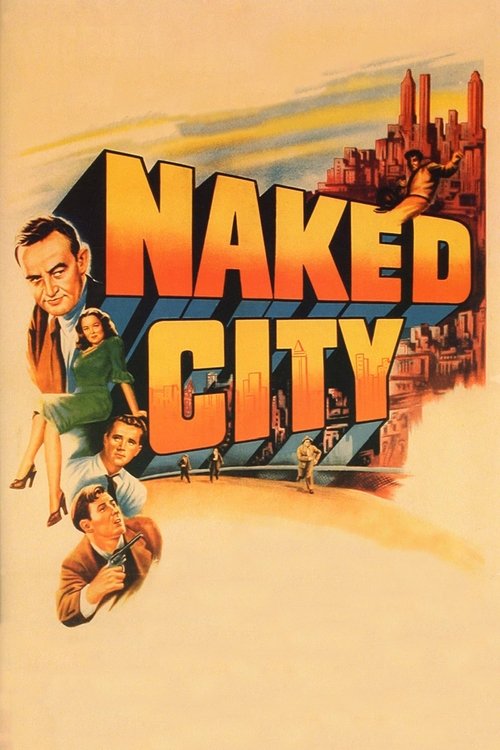
1948
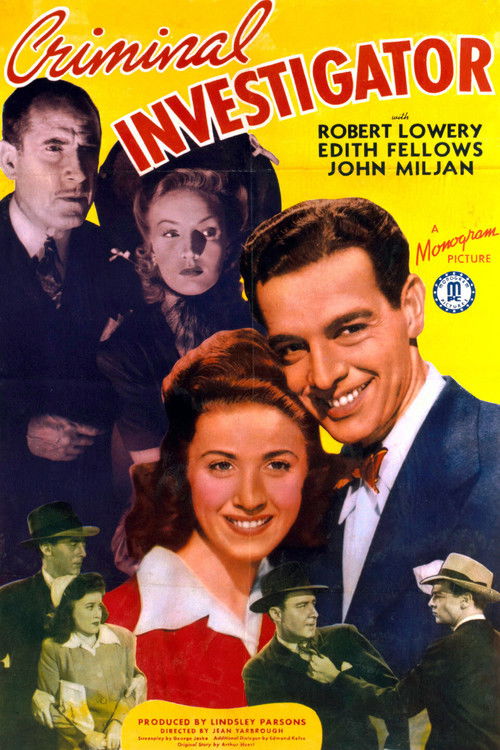
1942
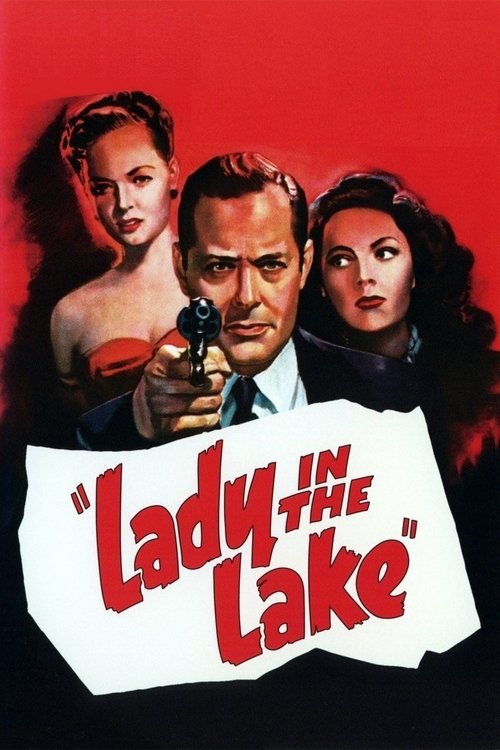
1946

1966
1947
1957

1940
No reviews yet. Be the first to share your thoughts on this movie!
Use the rating form above to leave a star rating and optional review.