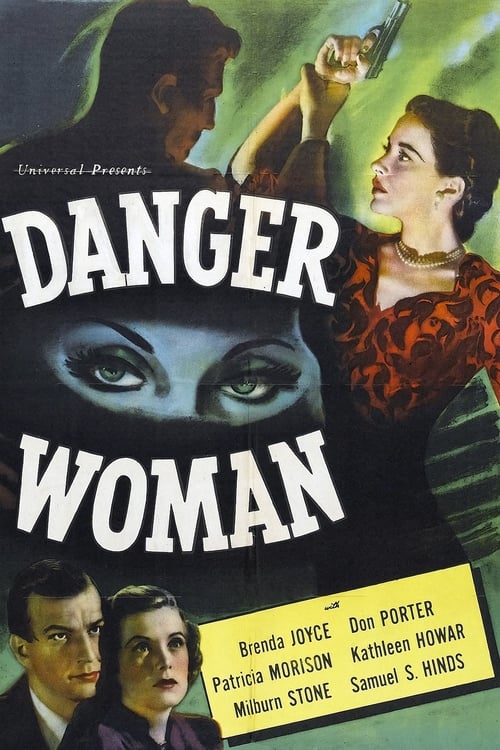
Danger Woman
1946
No user ratings available yet
Diversity score: 1.7 out of 10
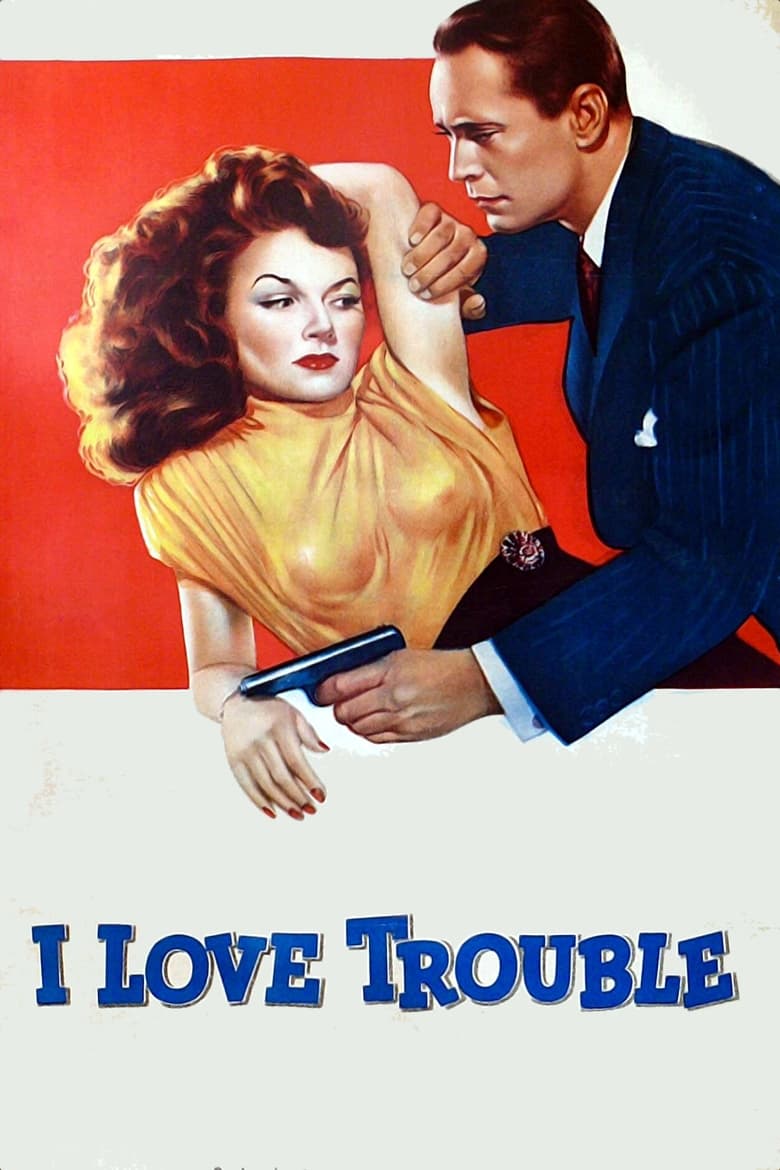
1948
NRDirector
S. Sylvan Simon
Runtime
93 minutes
Average Rating
No ratings yetSynopsis
A wealthy man hires a private detective to investigate his wife's mysterious past.
Overall Score
Limited
Category Breakdown
LGBTQ+ Representation
The film lacks LGBTQ+ characters or themes. Its romantic structure relies entirely on the traditional heterosexual 'battle of the sexes' trope typical of 1940s screwball comedies.
Gender Representation
Rosalind Russell’s character provides significant agency and intellectual parity. The narrative disrupts female passivity by positioning her as an assertive equal and challenger to the male protagonist.
Racial & Ethnic Diversity
The cast is predominantly homogeneous, reflecting the cinematic standards of 1948 MGM productions. There is a notable lack of racial or ethnic diversity within the primary cast.
Religious & Cultural Diversity
The story celebrates the stability of the established social order and high-society lifestyles. It reinforces traditional Western social structures without offering critiques of mid-20th-century norms.
Disability Representation
No visible or invisible disabilities are portrayed. Characters exist within a standard able-bodied framework, with no engagement with neurodivergence or physical disability.
Strengths
Areas for Improvement
AI Analysis
I Love Trouble is a product of its era, functioning within the polished, genre-driven framework of MGM's studio system. While it adheres to the social homogeneity of 1948, it offers a sophisticated subversion of gender roles through its central character dynamics. The film's strength lies in its refusal to treat its female lead as a passive archetype. Instead, it presents a woman with agency and intellectual weight. However, this progress is isolated within a much broader landscape of traditionalism. Ultimately, the film remains a snapshot of mid-century Western social structures. It lacks intersectional representation, offering a narrow view of race, culture, and identity that was standard for the period.
1946
1956
1945
1947
1942
1942

1939
1951
1937
1942
No reviews yet. Be the first to share your thoughts on this movie!
Use the rating form above to leave a star rating and optional review.