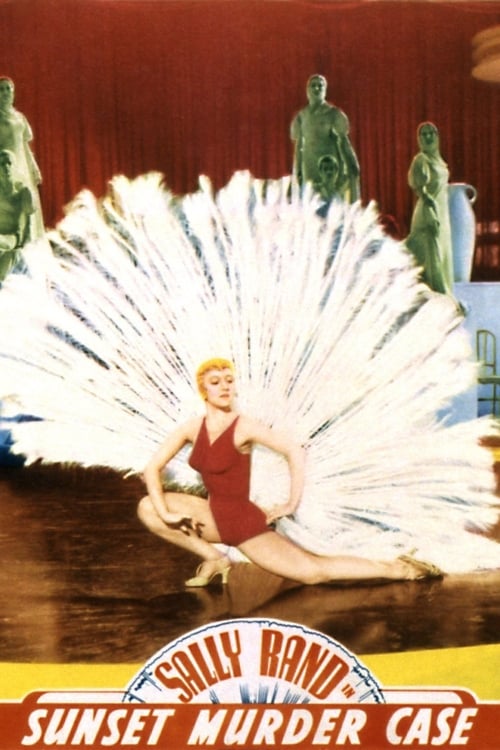
Sunset Murder Case
1938
No user ratings available yet
Representation score: 1.9 out of 10

Representation Score
Limited
1939
ApprovedDirector
Joe May
Runtime
67 minutes
Average Rating
No ratings yetNew Showbiz Analysis
The House of Fear is a typical 1939 mystery-thriller that prioritizes genre conventions over social representation. The narrative structure centers on a detective restoring order, reinforcing established legal and social hierarchies rather than challenging them. Production standards of the late 1930s shape the film's lack of diversity. The film operates within a traditional framework, offering little subversion of the era's social or identity-based structures. Ultimately, the film captures a homogeneous cinematic landscape. It lacks intentional representation of multiple aspects of diversity, focusing instead on the conventional mechanics of the crime and mystery genres.
Category Breakdown
The film does not include any characters with queer identities or non-cisgender identities. There are no critiques of the assumption that everyone is straight or cisgender.
The film likely follows traditional gender roles from the 1930s. Female characters often play supporting roles, serving as catalysts for the male detective's investigation.
The cast appears uniform, reflecting the era's cinematic standards. There is no indication of significant racial diversity or varied casting.
The story upholds Western institutions and emphasizes social stability. It does not question or critique these institutions.
There is no evidence of neurodivergent or disability-focused storytelling. Impairments are used primarily as plot devices.
Present on Screen
Limited or Absent
Official Synopsis
A detective goes undercover as a producer to investigate an actor's murder, which occurred during the performance of a play...
1938
1944
1934

1930
1933
1948
1934
1945
No reviews yet. Be the first to share your thoughts on this movie!
Use the rating form above to leave a star rating and optional review.