
Murder in Three Acts
1986
No user ratings available yet
Representation score: 2.9 out of 10
Representation Score
Fair
1957
ApprovedDirector
Howard W. Koch
Runtime
75 minutes
Average Rating
No ratings yetNew Showbiz Analysis
The film explores non-conformity in a 1950s crime drama. It stands out by challenging traditional gender roles through a rebellious female lead. However, it adheres to the era's limitations in terms of diversity. While the narrative questions social conformity and mob mentality, it doesn’t address broader societal issues. The film is a step forward in questioning gender norms but stays within the traditional boundaries of the 1950s mystery genre.
Category Breakdown
The film doesn't show any non-straight relationships or same-sex intimacy. It focuses on the social norms of the 1950s.
The film challenges the typical image of a woman by focusing on a female character who doesn't follow social norms. She defies traditional gender roles.
The main cast is mostly white, reflecting the demographics of the time. There are no characters from racial or ethnic minorities.
The story criticizes the influence of gossip and the pressure to conform in small towns. It highlights how social truths can be shaped by rumors rather than facts.
The film includes a character with a physical disability who faces social isolation. However, this portrayal might oversimplify the character’s experiences.
Present on Screen
Limited or Absent
Official Synopsis
Residents at a posh Utah hotel become suspects when a girl is found murdered during a pool party. Local sheriff Jess Holmes takes charge of the investigation and must discover who among the terrified guests and staff -- including bodacious vixen Harriet Ames, the hotel's bitter, crippled proprietor, visiting lawyer David Hewson and his secretary, Beth -- is the culprit, even as murders continue to take place.
1986
1945
1974
1947

1953

1948

1956
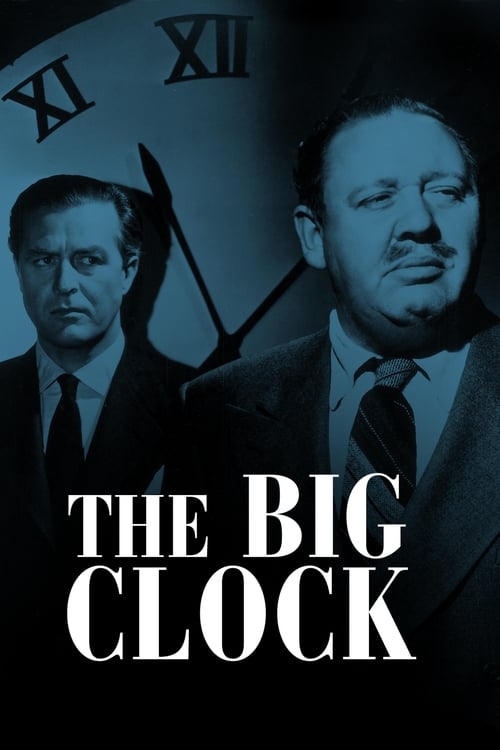
1948
No reviews yet. Be the first to share your thoughts on this movie!
Use the rating form above to leave a star rating and optional review.