Maigret Sets a Trap
1958
No user ratings available yet
Representation score: 0.3 out of 10
Representation Score
Limited
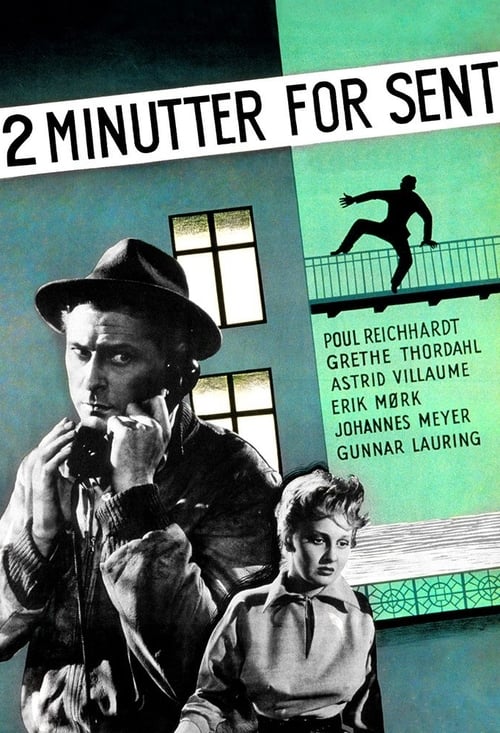
1952
Director
Torben Anton Svendsen
Runtime
96 minutes
Average Rating
No ratings yetNew Showbiz Analysis
2 Minutes Late adheres to the formalist conventions of 1950s European crime dramas. The narrative prioritizes suspense and moral clarity over diverse perspectives, relying on established genre clichés to drive the mystery. The film centers on traditional social hierarchies. Male characters drive the plot through suspicion and action, while female characters are largely relegated to the role of the central victim or object of mystery. While the inclusion of a character with a physical disability provides some representation, it appears to function more as a plot device than a nuanced portrayal of lived experience.
Category Breakdown
The film does not include non-binary or LGBTQ+ identities. It focuses on heterosexual relationships, reflecting the norms of its time.
Women in the film mainly serve as plot catalysts or victims. The narrative emphasizes the actions of male characters, reinforcing traditional gender roles.
The cast is homogeneous, following the casting trends of 1950s European crime dramas. There is no indication of diverse racial backgrounds or subversions of ethnic norms.
The story sticks to mid-century moral frameworks, focusing on crime and suspicion without exploring diverse cultural or anti-institutional themes.
A hunchbacked clockmaker is featured, but his disability is a defining trait. This can risk using physical differences as a shorthand for moral ambiguity.
Present on Screen
Limited or Absent
Official Synopsis
An unreliable lover of women and a hunchbacked clockmaker are suspected of killing a beautiful woman. Only one of them has done it, but whom?
1958
1954
1929

1944
1935

1964

1956
1946
No reviews yet. Be the first to share your thoughts on this movie!
Use the rating form above to leave a star rating and optional review.