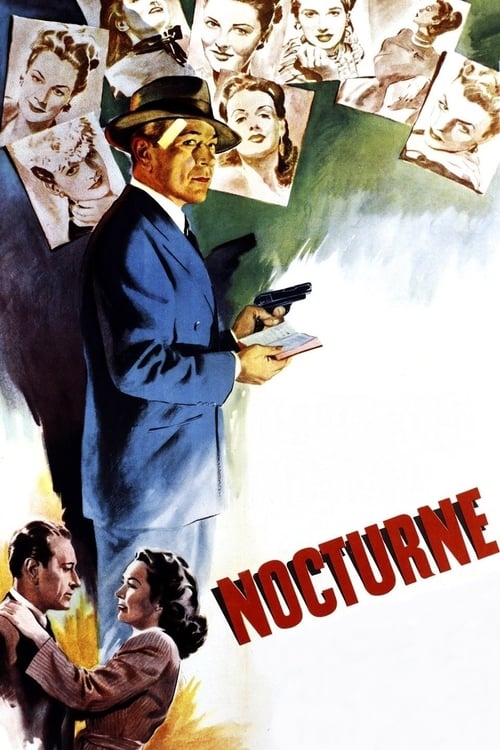
Nocturne
1946
No user ratings available yet
Representation score: 2.7 out of 10
Representation Score
Limited
1944
ApprovedDirector
Jean Negulesco
Runtime
95 minutes
Average Rating
No ratings yetNew Showbiz Analysis
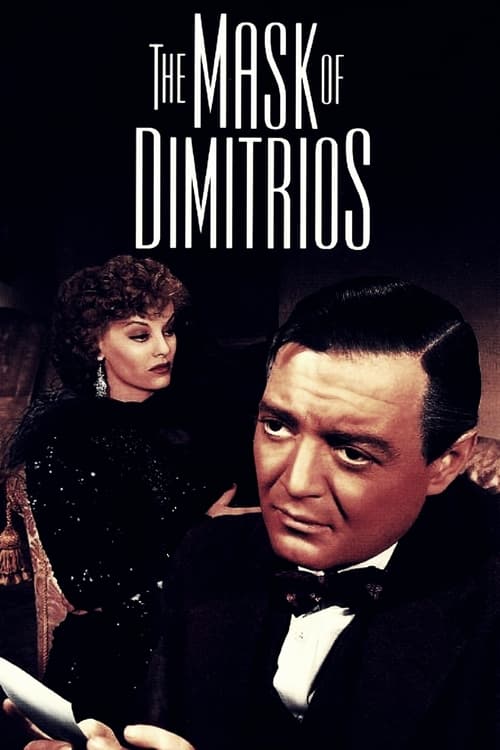
The Mask of Dimitrios is a sophisticated noir that emphasizes psychological complexity and moral ambiguity over social subversion. It creates a nuanced European atmosphere through its multi-ethnic cast and non-linear storytelling. However, it upholds traditional gender roles and lacks LGBTQ+ representation. Women are often used as plot devices rather than independent characters. The film also does not address modern standards of diversity or disability.
Category Breakdown
The film does not include any LGBTQ+ characters or same-sex relationships. It follows the heterosexual norms common in the 1940s.
Women in the film mainly act as catalysts for the male lead or as victims in the criminal storyline. They rarely have the independence to drive the story themselves.
Set in the Mediterranean with a diverse European cast, the film offers a rich cultural backdrop. Focusing on a Greek protagonist avoids the usual Anglo-centric focus of the era.
The story explores moral relativism and situational ethics instead of a simple good versus evil dichotomy. However, it does not challenge Western institutions directly.
The film does not feature any prominent characters with visible or invisible disabilities. Characters are defined by their moral and criminal actions rather than physical or neurological traits.
Present on Screen
Limited or Absent
Official Synopsis
A mystery writer is intrigued by the tale of notorious criminal Dimitrios Makropolous, whose dead body was found washed up on the shore in Istanbul. He decides to follow the career of Dimitrios around Europe, in order to learn more about the man. Along the way he is joined by the mysterious Mr. Peters, who has his own motivation.
1946
1955

1941
1954

1958
1946
1935

1944
No reviews yet. Be the first to share your thoughts on this movie!
Use the rating form above to leave a star rating and optional review.