Nocturne
1946
No user ratings available yet
Representation score: 2.7 out of 10
Representation Score
Minimal
1945
Director
Richard Pottier
Runtime
99 minutes
Average Rating
No ratings yetNew Showbiz Analysis
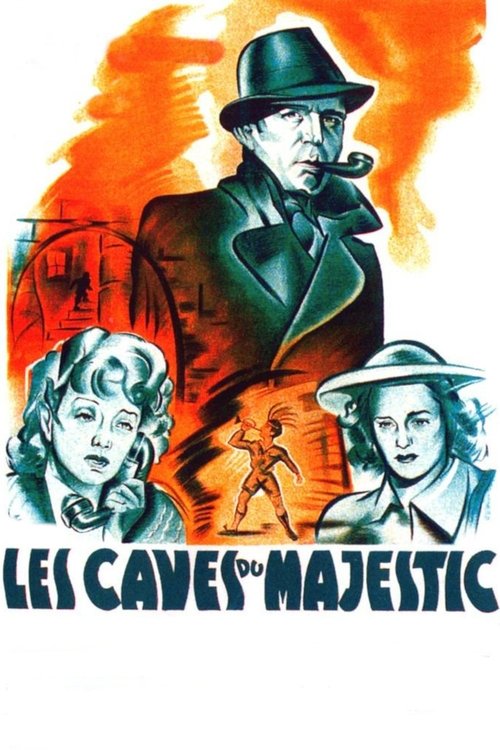
Majestic Hotel Cellars is a traditional mid-century crime mystery that upholds established social hierarchies. The narrative focuses on Inspector Maigret, a character archetype known for methodical deduction and restoring order. The film adheres to the formalist traditions of its era, emphasizing genre clichés over social critique. The high-class hotel setting highlights bourgeois stability and the preservation of Western institutional norms. Ultimately, the work lacks the intentionality needed to challenge conventional formulas or provide diverse representation, reflecting the standard cinematic conventions of 1945.
Category Breakdown
The film follows the social norms of 1945 and does not include any non-straight or non-cisgender identities or critiques of the assumption that everyone is straight or cisgender.
While the female character has some individual complexity, the narrative ability to act is centered around the male protagonist. The structural power remains with the male investigator.
The setting implies a predominantly Western, Eurocentric cast. Although an American character introduces some international elements, there is no significant racial blending.
The narrative emphasizes the importance of institutional investigation to address social disruptions. It aligns with traditional Western mystery conventions and social norms.
There is no mention of characters dealing with physical, sensory, or neurodivergent conditions.
Present on Screen
Limited or Absent
Official Synopsis
Maigret is called to the high-class Hotel Majestic to investigate a body. The wife of a wealthy American has been killed - but to Maigret's surprise she has a gun in her purse. He begins to follow up the handful of clues that could explain her secret life and her demise.
1946
1954
1958
1947
1935

1944
1957

1953
No reviews yet. Be the first to share your thoughts on this movie!
Use the rating form above to leave a star rating and optional review.