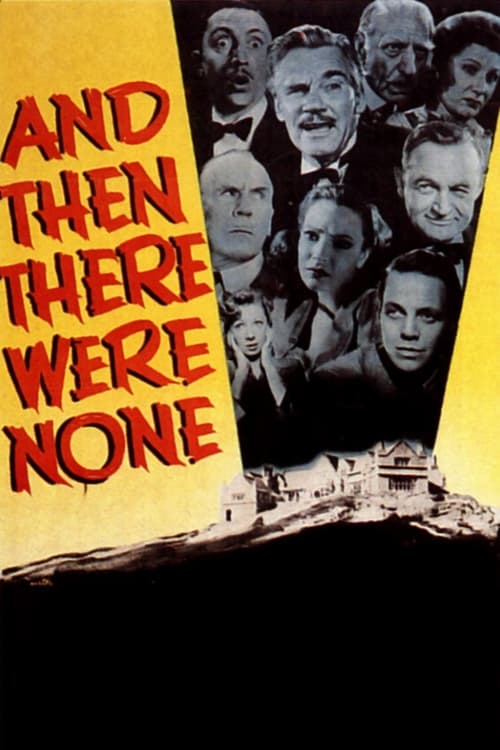
And Then There Were None
1945
No user ratings available yet
Representation score: 3.1 out of 10
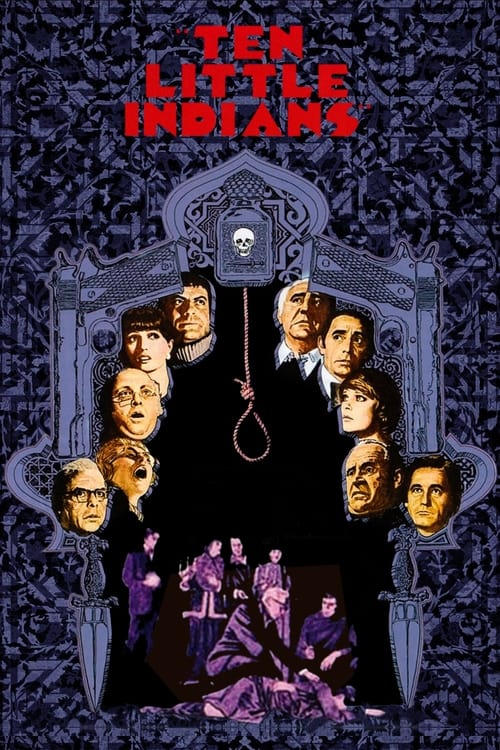
Representation Score
Limited
1974
PGDirector
Peter Collinson
Runtime
98 minutes
Average Rating
No ratings yetNew Showbiz Analysis
This 1974 adaptation of Agatha Christie’s classic serves as a psychological study focused on the tension of a mystery. It prioritizes the complexity of a closed-circle investigation over contemporary social issues, staying true to mid-century cinematic standards. The film excels in depicting the breakdown of institutional authority and the ambiguity of justice. However, it offers a narrow perspective that aligns closely with traditional Western norms, lacking in characters who reflect more than one aspect of diversity.
Category Breakdown
The film focuses solely on heterosexual relationships and does not include any characters with diverse gender identities or same-sex relationships.
Male and female characters are evenly distributed, but the film upholds traditional gender roles where women are shown in typical social positions of the time.
The cast is overwhelmingly made up of individuals of European descent, with little to no presence of racial minorities or diverse ethnic backgrounds.
The story challenges formal legal systems by questioning state-sanctioned morality and exploring extrajudicial forms of retribution.
The film does not address neurodivergence or physical disabilities, focusing instead on the moral and socioeconomic backgrounds of its characters.
Present on Screen
Limited or Absent
Official Synopsis
Ten people are invited to a hotel in the Iranian desert, only to find that an unseen person is killing them one by one. Could one of them be the killer?
1945
1965
1959
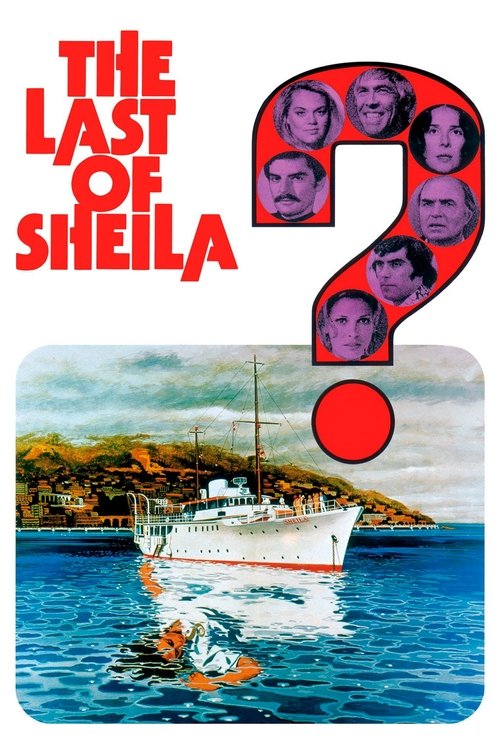
1973
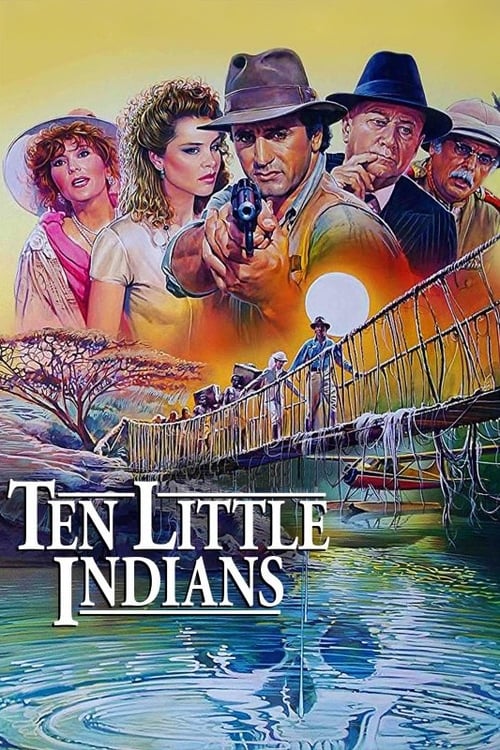
1989
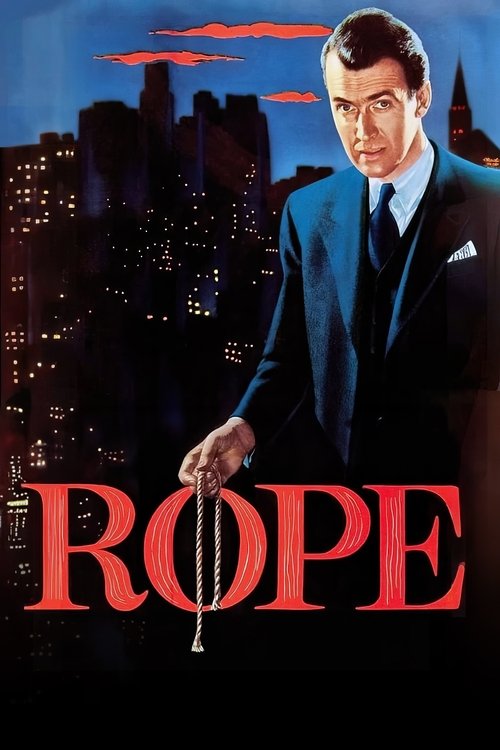
1948

1987
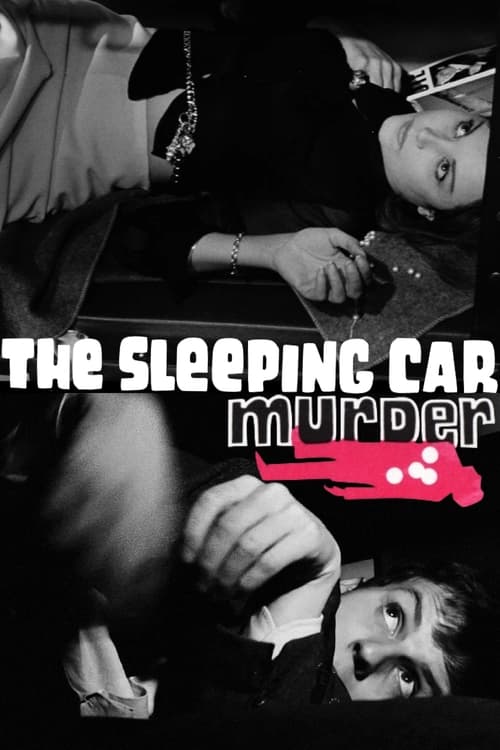
1965
No reviews yet. Be the first to share your thoughts on this movie!
Use the rating form above to leave a star rating and optional review.