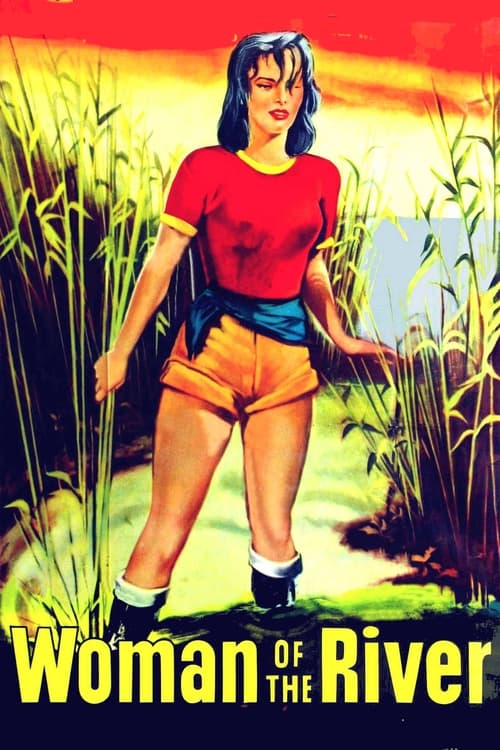
Woman of the River
1954
No user ratings available yet
Diversity score: 2.9 out of 10
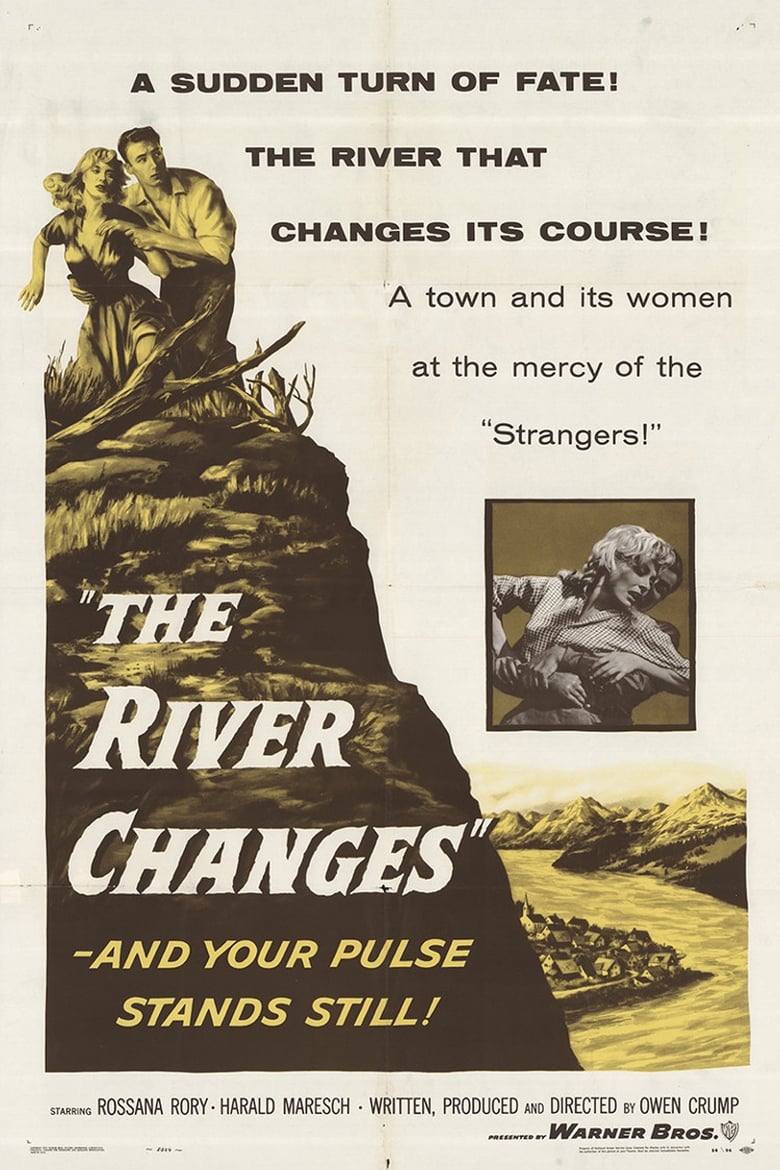
1956
ApprovedDirector
Owen Crump
Runtime
93 minutes
Average Rating
No ratings yetSynopsis
A European village lies close to a river, which is a boundary between two countries. A severe storm changes the course of the river, and the village is now in the boundary of the neighboring totalitarian country.
Overall Score
Limited
Category Breakdown
LGBTQ+ Representation
The film contains no evidence of non-heteronormative identities or same-sex intimacy. This absence aligns with the cinematic constraints of 1956.
Gender Representation
The narrative focuses on a village and geopolitical shifts rather than individual character dynamics. There is no evidence of female agency or the subversion of gender hierarchies.
Racial & Ethnic Diversity
Set in a European village, the film likely adheres to the homogeneous demographic norms of the period. No specific information exists regarding the racial or ethnic composition of the cast.
Religious & Cultural Diversity
The plot offers a framework to critique systemic power through a totalitarian regime. It remains unclear if the story functions as a critique of Western values or a standard Cold War drama.
Disability Representation
There is no information available regarding the inclusion of characters with physical or neurodivergent disabilities.
Strengths
Areas for Improvement
AI Analysis
The River Changes is a mid-century geopolitical drama centered on a village displaced by a natural disaster into a totalitarian state. The film's focus remains on external political conflict and the fragility of borders rather than internal identity-driven narratives. Because the production dates to 1956, the film appears to follow the conventional demographic and social norms of its era. It lacks documented evidence of intersectional representation or the subversion of established social hierarchies. Ultimately, the film functions as a study of systemic oppression and territorial shifts, but it provides little insight into the diverse lived experiences of its characters.
1954
1976
1975

1961
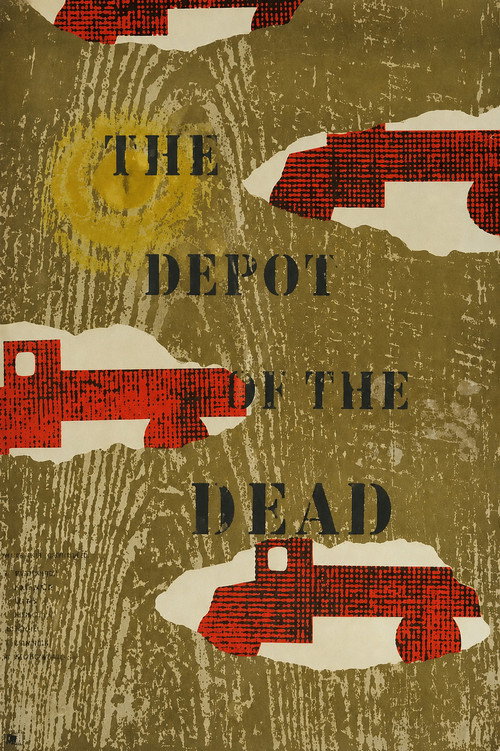
1959
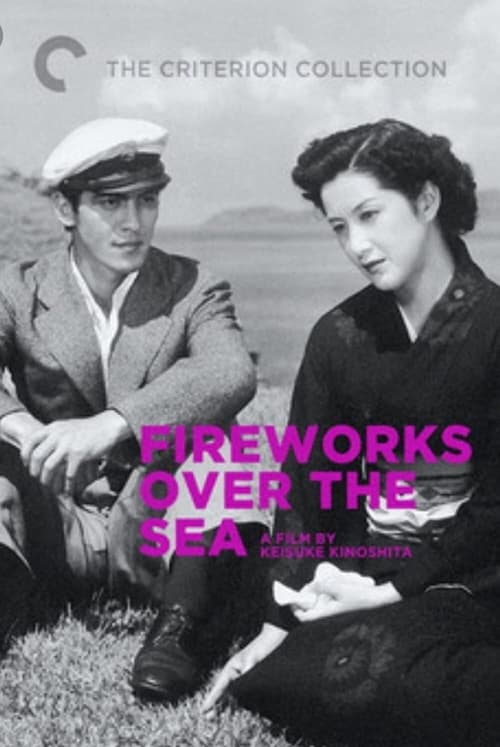
1951
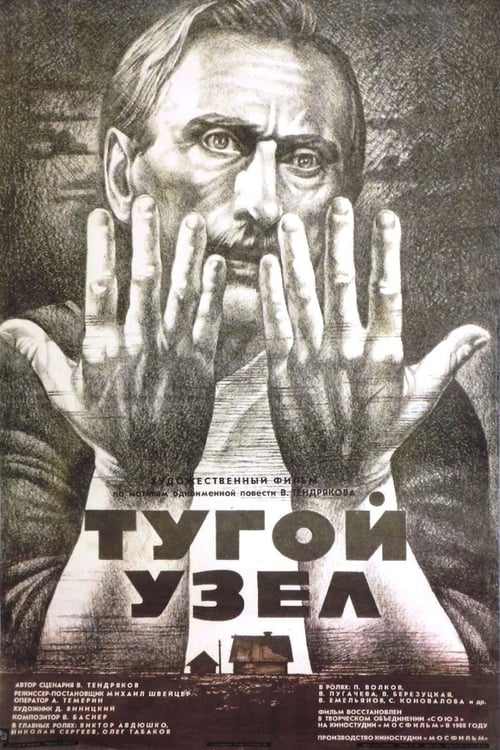
1957
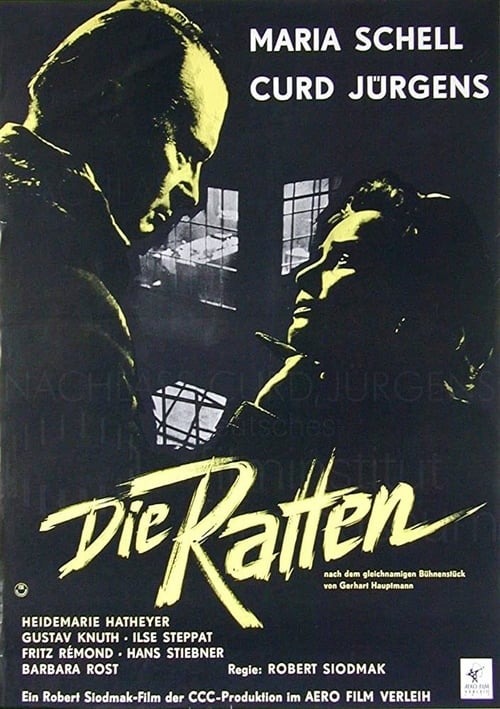
1955
1964

1961
1924
1958
No reviews yet. Be the first to share your thoughts on this movie!
Use the rating form above to leave a star rating and optional review.