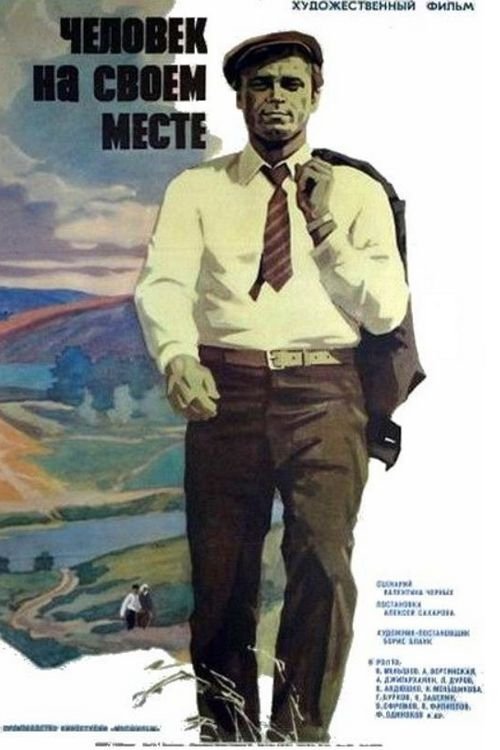
A Man at His Place
1973
No user ratings available yet
Representation score: 2.1 out of 10
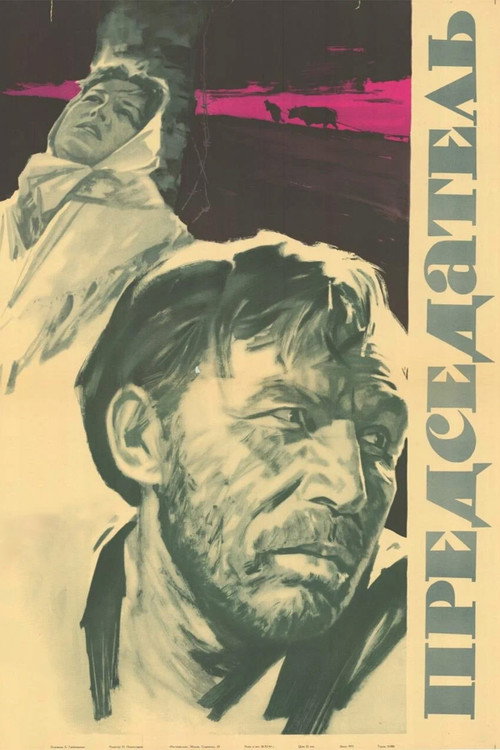
Representation Score
Minimal
1964
Director
Alexey Saltykov
Runtime
166 minutes
Average Rating
No ratings yetNew Showbiz Analysis
The Chairman is a product of mid-century Soviet drama, designed to uphold the stability of the collective farm system. The narrative prioritizes the competence of state-sanctioned leadership over social subversion. Because the film reinforces the institutional values of its era, it lacks diversity in modern terms. It focuses on a singular male protagonist and a homogeneous workforce to validate the socio-political status quo. Ultimately, the film serves as a reinforcement of 1960s social norms rather than an exploration of varied identities or hierarchies.
Category Breakdown
The film does not include any LGBTQ+ characters or narratives. It follows the traditional social structures of 1964 Soviet cinema.
The story centers on Yegor Trubnikov’s leadership, reinforcing traditional masculine roles. Women are part of the workforce, but the focus remains on a singular male authority figure.
The film depicts a post-war Soviet agricultural setting. It appears to prioritize a homogeneous depiction of the ideal worker consistent with the era's state-sponsored realism.
The narrative celebrates collective labor and state institutions. It functions to validate the existing socio-political order rather than offering cultural critique.
There is no mention of characters with visible or invisible disabilities. No assessment of ability to act or cliché usage is possible.
Present on Screen
Limited or Absent
Official Synopsis
Year 1947... Yegor Trubnikov is giving all his powers to make life in his own Kolhoz better.
1973

1930
1957

1964
1968
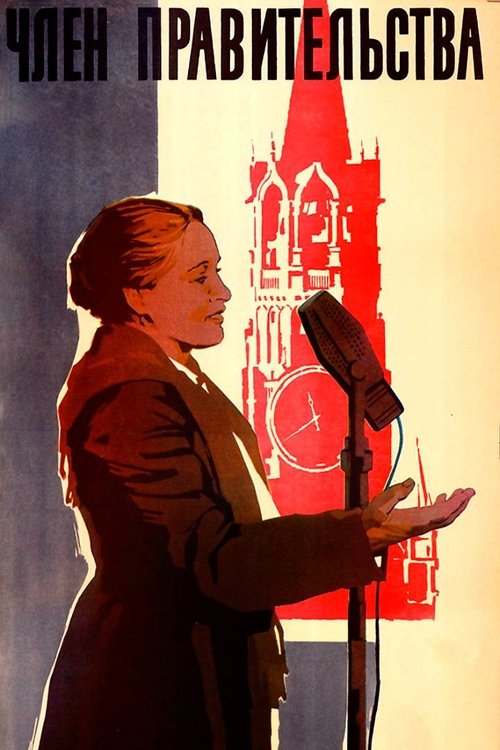
1940
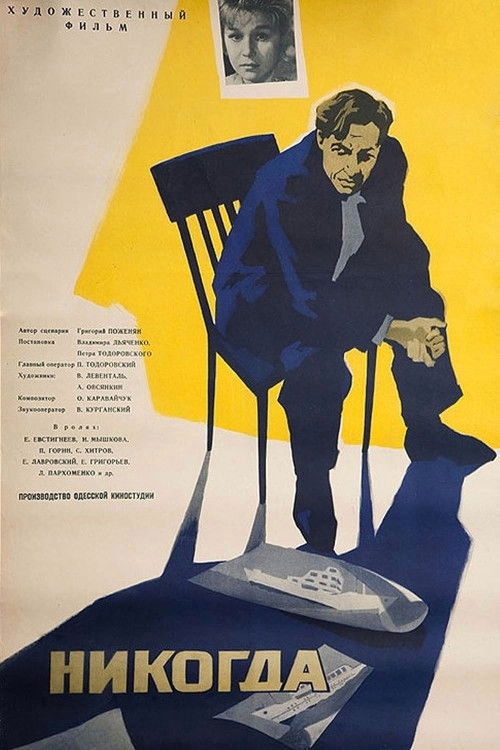
1962
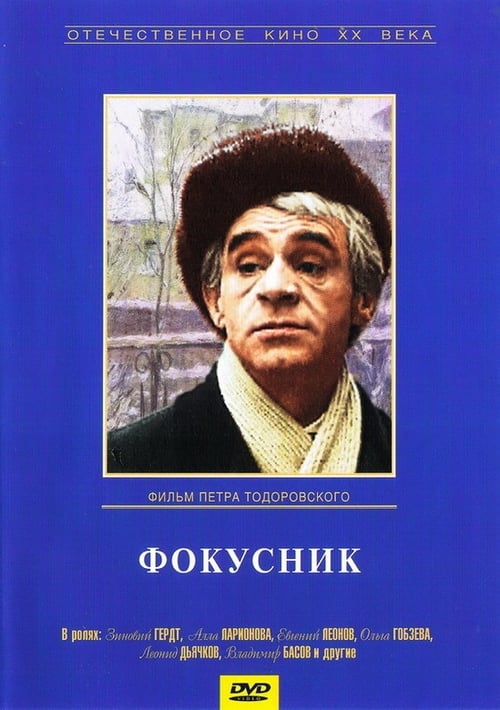
1968
No reviews yet. Be the first to share your thoughts on this movie!
Use the rating form above to leave a star rating and optional review.