The Johnstown Flood
1926
No user ratings available yet
Representation score: 2.6 out of 10
Representation Score
Limited
1924
Director
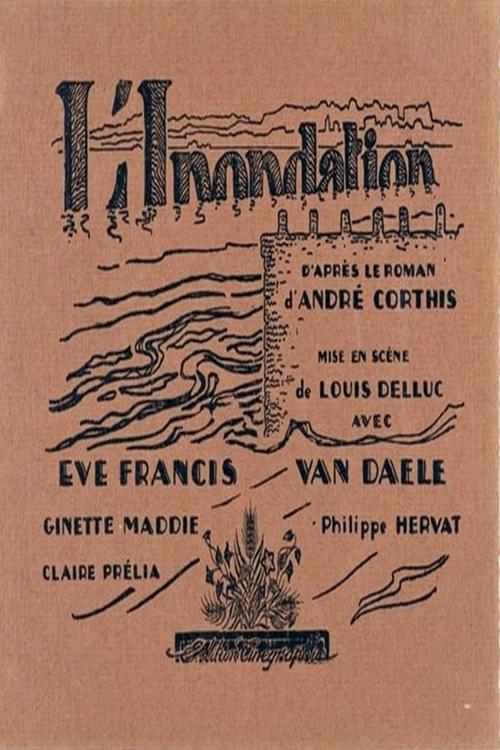
Louis Delluc
Runtime
77 minutes
Average Rating
No ratings yetNew Showbiz Analysis
Louis Delluc’s final work is a study in early cinematic naturalism and psychological interiority. It prioritizes the relationship between human emotions and environmental disaster over social critique. The narrative adheres to the demographic and social norms of 1924 France, using traditional dramatic formulas focused on rural village hierarchies and conventional romantic structures. While the film is a significant achievement in French Impressionist cinema, it does not engage with progressive social frameworks or the inclusion of diverse identities, remaining firmly rooted in its historical context.
Category Breakdown
The film does not include any LGBTQ+ characters or explore non-straight relationships. The story revolves around a traditional romance between Alban and Margot set in a 1920s rural village.
Margot is portrayed as emotionally fragile, breaking down after being rejected. The plot is driven by the male protagonist's actions and romantic pursuits, emphasizing patriarchal authority.
The film is set in a rural Provençal village and likely reflects a homogeneous European population. There is no indication of casting actors from diverse backgrounds.
Focused on the struggle between humans and nature, the film highlights traditional social orders and village hierarchies without critiquing institutions.
There is no specific mention of physical or neurodivergent disabilities. The term 'madness' is used to describe a universal human condition rather than a specific character trait.
Present on Screen
Limited or Absent
Official Synopsis
After the death of her mother, Germaine moves in with her father in a small town near the Rhône river. She falls in love with a young man, Alban, already engaged.
1926
1978
1983
1965
2009

1951

1938

1960
No reviews yet. Be the first to share your thoughts on this movie!
Use the rating form above to leave a star rating and optional review.