
The Rough and the Smooth
1959
No user ratings available yet
Diversity score: 2.1 out of 10
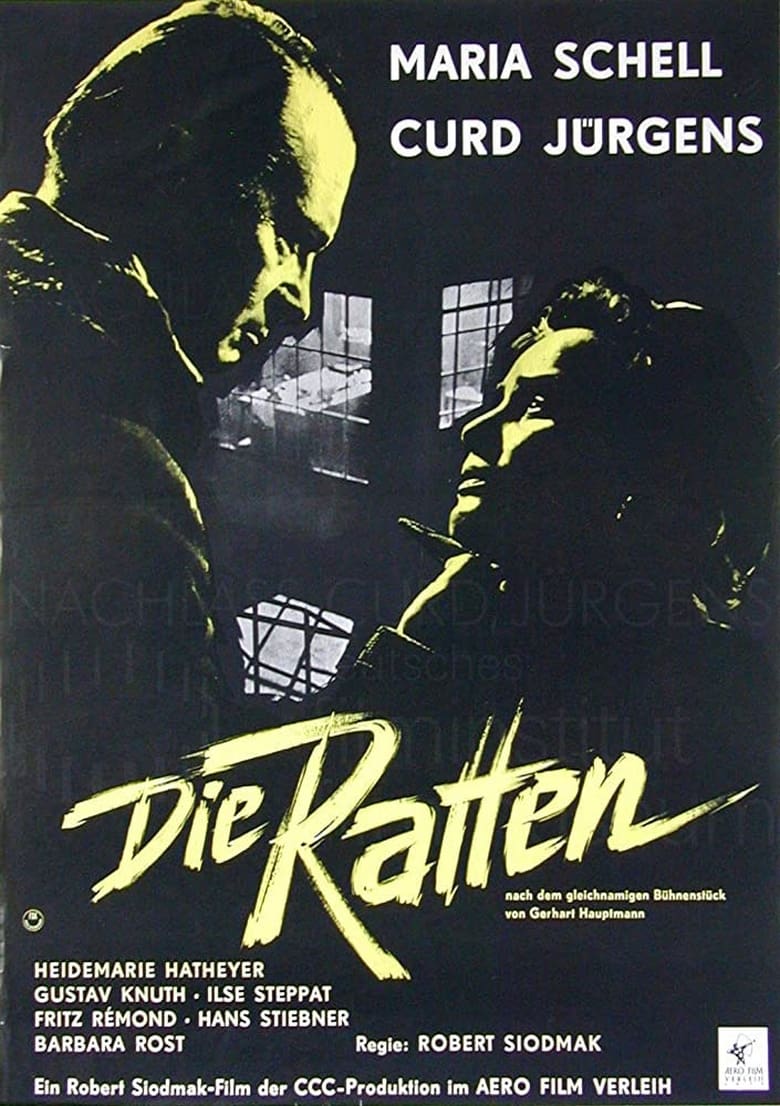
1955
Director
Robert Siodmak
Runtime
97 minutes
Average Rating
No ratings yetSynopsis
Soon after World War II, a pregnant Polish refugee, Pauline, wanders Berlin looking for the boyfriend who abandoned her. She has no option but to sell her child to another woman, Anna. After the birth, Pauline decides she wants the baby back.
Overall Score
Limited
Category Breakdown
LGBTQ+ Representation
The film adheres to the social constraints of its era. It does not feature queer identities, non-cisnormative gender expression, or narratives that critique heteronormative structures.
Gender Representation
The film centers on female agency through Pauline, a protagonist who navigates survival with pragmatic intellect. She avoids the submissive female trope by actively struggling against systemic abandonment.
Racial & Ethnic Diversity
By centering a Polish refugee in post-war Berlin, the film provides significant ethnic depth. The protagonist's status as an outsider serves as a metaphor for the intersection of ethnicity and vulnerability.
Religious & Cultural Diversity
The narrative critiques the efficacy of social institutions by portraying a post-war environment where traditional morality is compromised. It focuses on the moral ambiguity required for survival.
Disability Representation
There is no evidence of characters with visible or invisible disabilities being utilized as central narrative drivers or being depicted with agency.
Strengths
Areas for Improvement
AI Analysis
The film distinguishes itself from mid-century cinema by centering the lived experience of a displaced Polish refugee. Rather than focusing on domestic stability, it explores the systemic failures of post-war Berlin through a high-stakes moral lens. While the production lacks LGBTQ+ and disability representation due to its era, it subverts traditional hierarchies. The protagonist's journey provides a sophisticated critique of the instability following global conflict. Ultimately, the film's strength lies in its refusal to present a sanitized view of society, opting instead for a gritty, realistic portrayal of displacement and socioeconomic vulnerability.
1959

1950

1955

1956

1956

1950

1959
1961
1983

1950

1977
1954
No reviews yet. Be the first to share your thoughts on this movie!
Use the rating form above to leave a star rating and optional review.