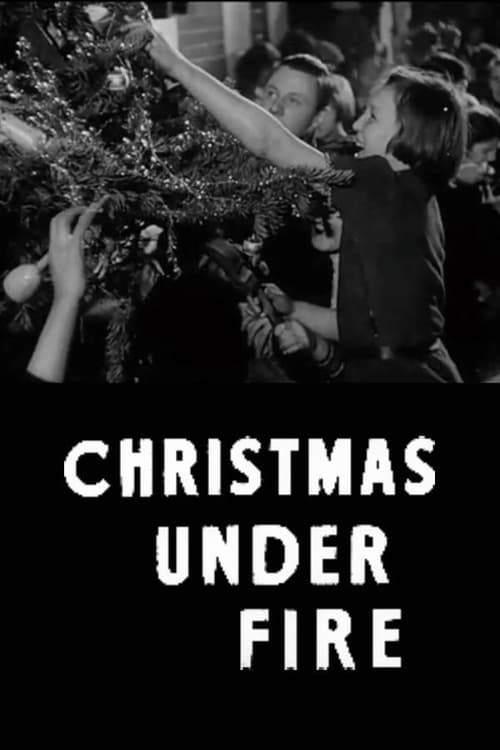
Christmas Under Fire
1940
No user ratings available yet
Representation score: 1.6 out of 10
Representation Score
Minimal
1940
ApprovedDirector
Humphrey Jennings, Harry Watt
Runtime
9 minutes
Average Rating
No ratings yetNew Showbiz Analysis
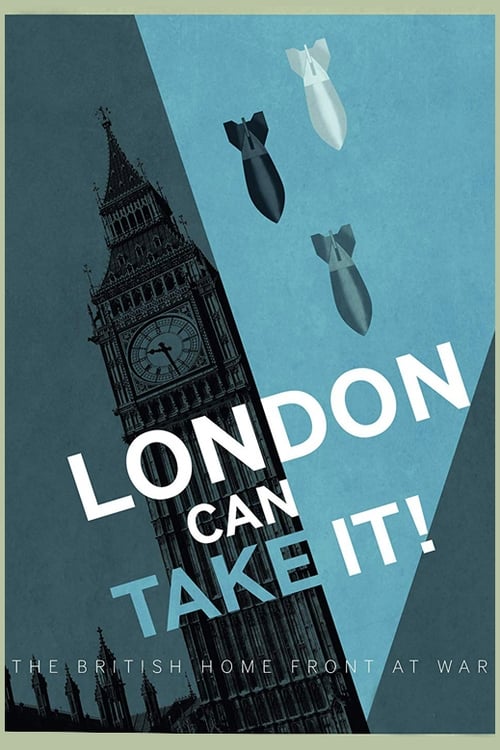
London Can Take It! serves as a powerful tribute to wartime resilience, highlighting the lived experiences of the working class through social realism. By focusing on the 'common man,' the GPO Film Unit offers a rare, grounded look at the wartime economy. However, the film operates strictly within the traditionalism of the mid-20th century. Its primary goal is to strengthen national identity and social stability, which limits its scope regarding diverse identities, races, and abilities. It reinforces existing power dynamics and social conformity to maintain morale. Ultimately, while the film is a landmark of documentary technique, it lacks the diversity of identity, race, and ability that modern viewers expect. It is a product of its time, designed to unify a specific demographic against an external threat.
Category Breakdown
The film follows the social norms of the 1940s, where there is no depiction of diverse gender identities or same-sex relationships.
Women are shown managing civilian life with significant influence. However, the film portrays gender roles as complementary parts of a unified national effort without challenging traditional hierarchies.
The narrative primarily focuses on the white British civilian experience. It lacks the explicit centering of non-Anglo-Saxon identities, reflecting the propaganda goals of the time.
The film celebrates traditional Western institutions and patriotism. It emphasizes social cohesion and civic duty to bolster national morale without critiquing the existing social order.
The documentary highlights the collective strength of the able-bodied workforce. There are no prominent depictions of individuals with physical or neurodivergent disabilities.
Present on Screen
Limited or Absent
Official Synopsis
A tribute to the courage and resiliency of Britons during the darkest days of the London Blitz.
1940
1939
1941

1943
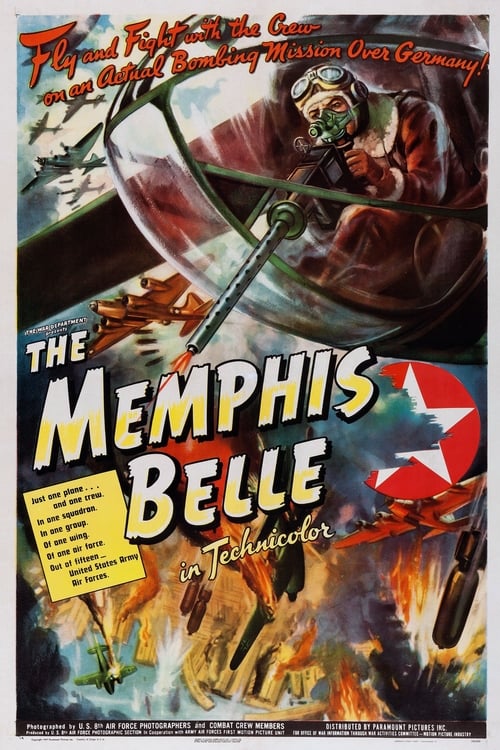
1944
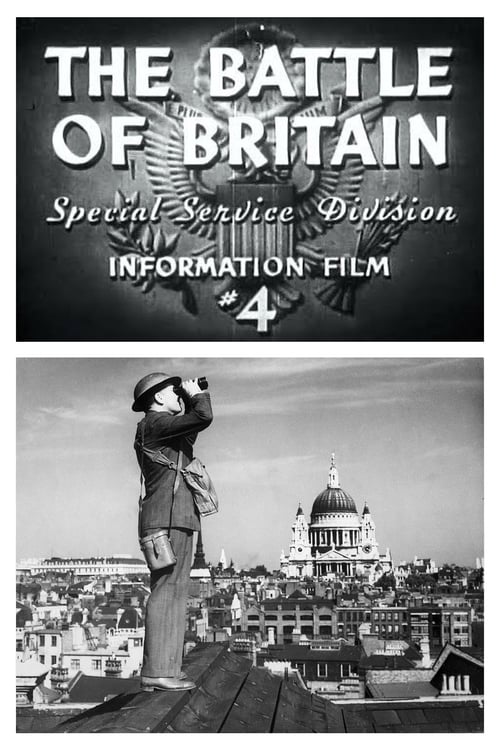
1943
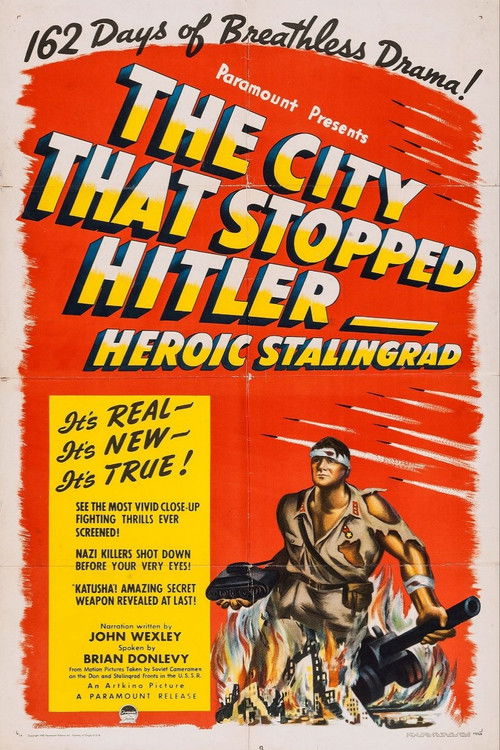
1943
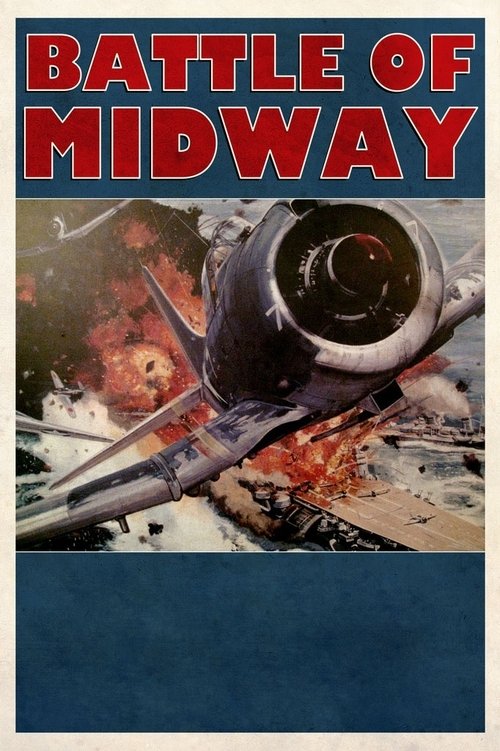
1942
No reviews yet. Be the first to share your thoughts on this movie!
Use the rating form above to leave a star rating and optional review.