
Why We Fight: Divide and Conquer
1943
No user ratings available yet
Representation score: 2.7 out of 10
Representation Score
Minimal
1942
Not RatedDirector
Frank Capra, Anatole Litvak
Runtime
53 minutes
Average Rating
No ratings yetNew Showbiz Analysis
This documentary serves as a tool for state-sponsored mobilization, designed to consolidate national identity during World War II. Its narrative structure prioritizes patriotism and the defense of Western institutions over social complexity. By emphasizing masculine leadership and using racialized clichés to define enemies, it reinforces the social structures of its time. The film lacks multi-layered depth, focusing instead on geopolitical struggle and reinforcing established democratic power.
Category Breakdown
The film does not include any representations of LGBTQ+ identities. It focuses solely on geopolitical conflicts and ideologies, without addressing queer perspectives.
The documentary emphasizes mid-century gender hierarchies by highlighting masculine-coded leadership and military movements. Men are portrayed as the main actors in political and military spheres.
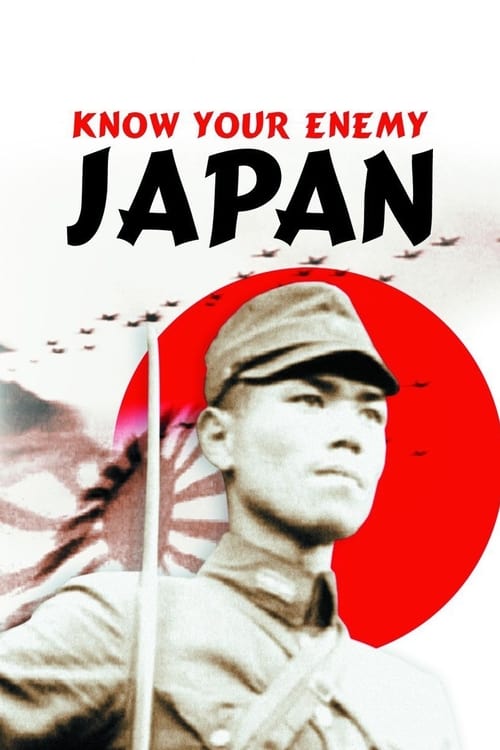
The film uses racialized caricatures of the Axis powers, especially Imperial Japan, to create an 'othering' effect. This approach reinforces racial hierarchies, distinguishing the democratic West from perceived threats.
As a text of Western nationalism, the film promotes the superiority of democratic capitalism. It frames the global conflict through a rigid moral dichotomy of freedom versus oppression.
There is no meaningful focus on visible or invisible disabilities. The subjects are political entities and military forces rather than individual character studies.
Present on Screen
Limited or Absent
Official Synopsis
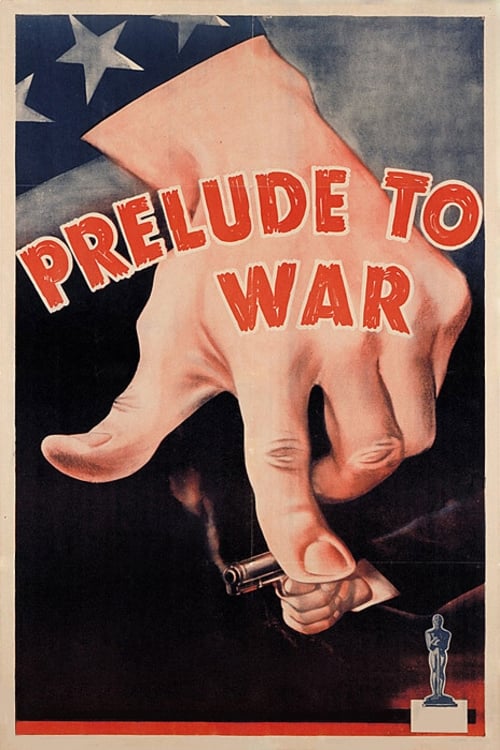
Prelude to War was the first film of Frank Capra's Why We Fight propaganda film series, commissioned by the Pentagon and George C. Marshall. It was made to convince American troops of the necessity of combating the Axis Powers during World War II. This film examines the differences between democratic and fascist states.
1943

1945
1943
1943
1945
1939
1939

1943
No reviews yet. Be the first to share your thoughts on this movie!
Use the rating form above to leave a star rating and optional review.