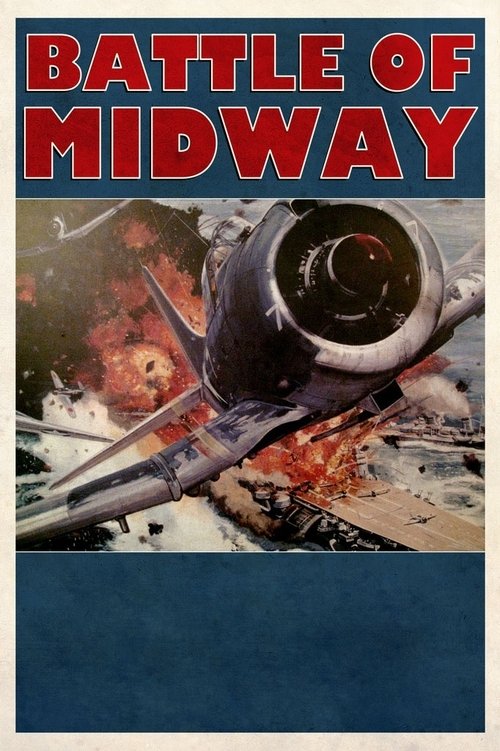
The Battle of Midway
1942
No user ratings available yet
Diversity score: 0.9 out of 10
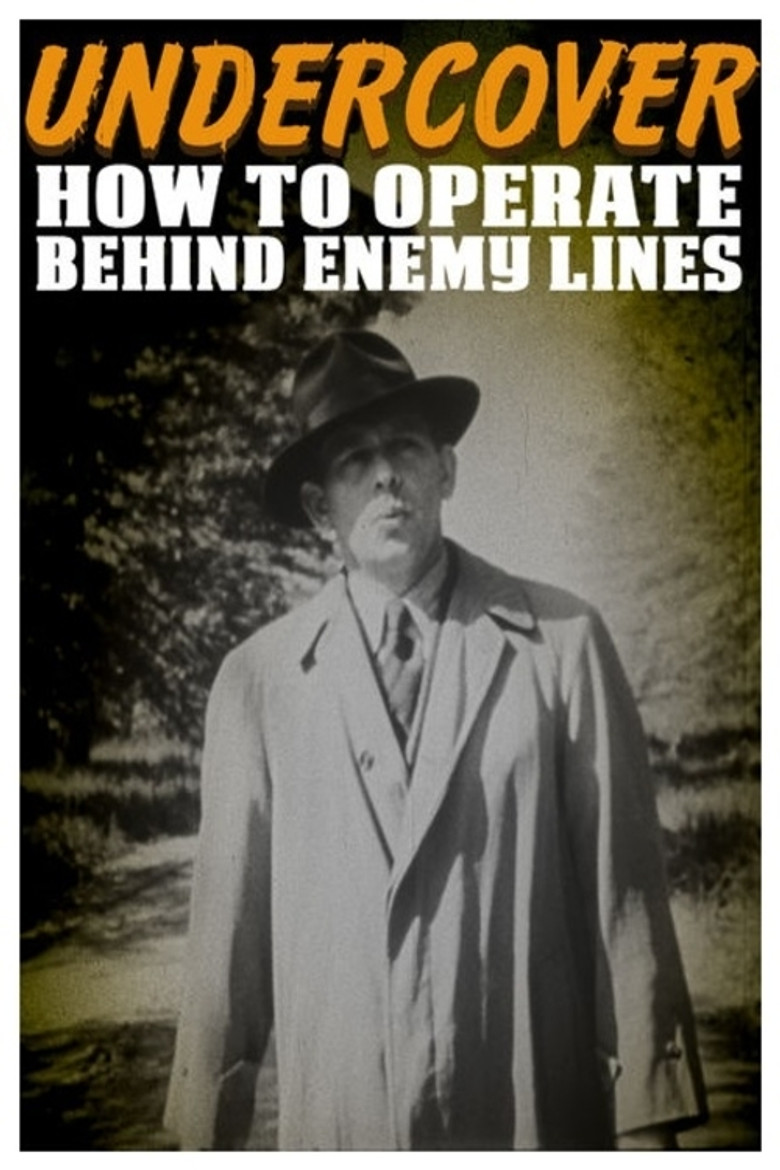
1943
Director
John Ford
Runtime
62 minutes
Average Rating
No ratings yetSynopsis
A training film for OSS agents who are to be dropped behind enemy lines.
Overall Score
Minimal
Category Breakdown
LGBTQ+ Representation
The film contains no LGBTQ+ characters or narratives. As a 1943 instructional tool for the OSS, it lacks any critique of heteronormativity.
Gender Representation
The documentary focuses on male-coded roles of combat and intelligence. It reinforces traditional gender hierarchies without subverting masculinity or gender roles.
Racial & Ethnic Diversity
The film reflects 1940s military demographics and racial hierarchies. It prioritizes tactical instruction over intersectional character development or diverse representation.
Religious & Cultural Diversity
The narrative promotes patriotism and institutional loyalty to support the war effort. It functions as a pro-establishment tool to strengthen the existing social order.
Disability Representation
There is no evidence of characters with visible or invisible disabilities. The focus remains strictly on the physical and mental fitness required for espionage.
Strengths
Areas for Improvement
AI Analysis
John Ford’s documentary serves as a utilitarian training tool for OSS agents during World War II. Because its primary purpose is instructional, it lacks character-driven narratives or social critique. The film adheres strictly to the institutional and social hierarchies of 1943. It emphasizes state-sanctioned objectives and military discipline, which precludes the inclusion of diverse identities or non-traditional roles. Ultimately, the work is a product of its era, prioritizing tactical survival and nationalistic loyalty over any form of intersectional representation.
1942
1945
1944
1944
1945
1944
1942
2019
1943
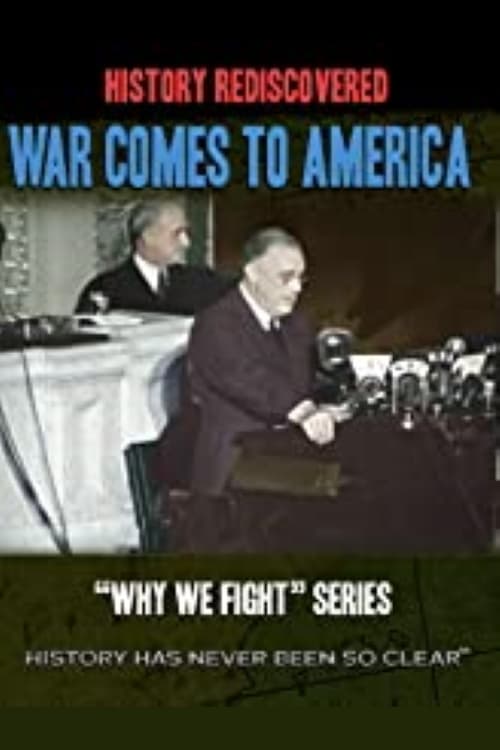
1945
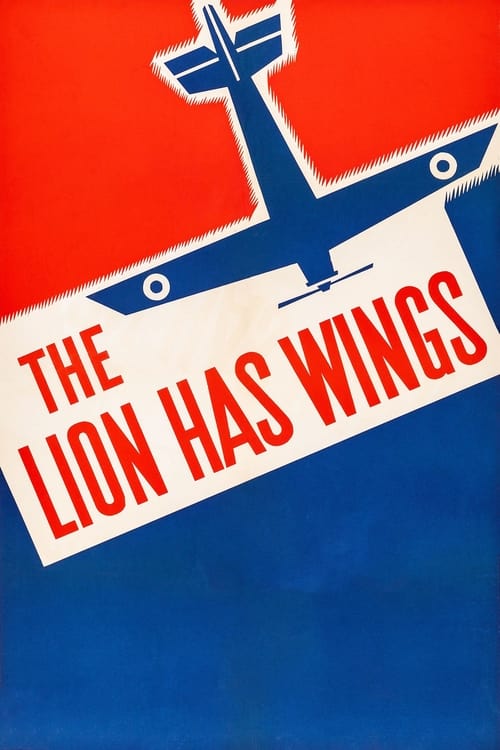
1939
1953
No reviews yet. Be the first to share your thoughts on this movie!
Use the rating form above to leave a star rating and optional review.