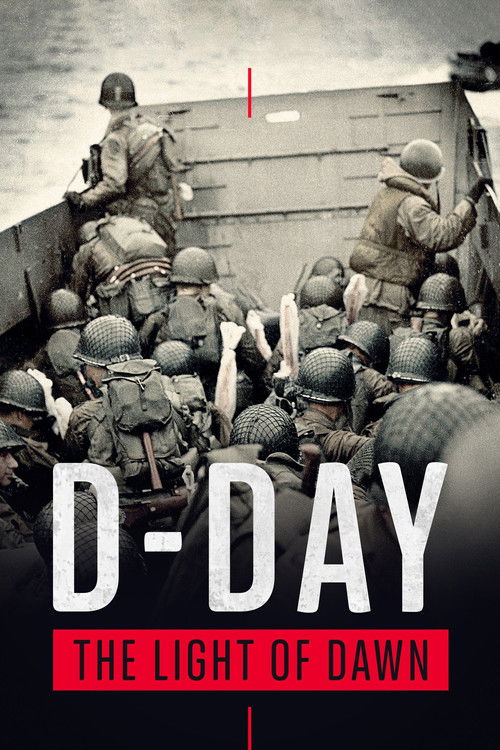
The Light of Dawn: The Normandy Landings
2014
No user ratings available yet
Representation score: 1.1 out of 10

Representation Score
Limited
2004
Not RatedDirector
Richard Dale
Runtime
119 minutes
Average Rating
No ratings yetNew Showbiz Analysis
D-Day 6.6.1944 is a traditional historical chronicle that emphasizes the epic scale of the Allied invasion. While it avoids being a purely male-centric war story by acknowledging the active roles of women in the French resistance, it remains anchored to the historical realities of the 1940s. The narrative structure follows conventional wartime themes of courage and sacrifice. It lacks the complexity needed to address multiple aspects of identity or systemic critiques, staying within a standard geopolitical documentary format. Ultimately, the film serves to document the intricate jigsaw of the Western Front through a lens of historical mission rather than social deconstruction.
Category Breakdown
The film focuses on military logistics and wartime romance. There is no explicit evidence of LGBTQ+ identities or narratives that question the assumption that everyone is straight or cisgender.
The documentary disrupts male-centric warfare clichés by highlighting the women of France and mainland Europe. It centers women as active participants in the secret war and resistance.
The narrative focuses on the geopolitical struggles of the German Empire and France. It lacks specific evidence of actively leading characters of color or diverse casting.
The film functions as a celebration of historical ability to act and Allied victory. It adheres to a traditional framework rather than critiquing Western institutions or dominance.
The documentary provides no specific details regarding the portrayal of physical or mental disabilities. No evidence of neurodivergence or visible disability is present.
Present on Screen
Limited or Absent
Official Synopsis
On June 6th, 1944 the largest military invasion and defence the world has ever seen occurred. D-Day tells the epic story of the preparation and execution of the Allied invasion of Normandy. It tells the story of the defence of the Western Front by the forces of the German Empire, and of the complex and deadly secret war fought by the men and women of France and mainland Europe. D-Day brings to life the dramatic and astounding tales of courage and sacrifice, joy and despair, love and betrayal. The planning for the Allied invasion on June 6th 1944 took two years and cost thousands of lives. It involved a deception of breathtaking audacity. Both the preparation leading up to and the actions and events on the day itself relied on the absolute discretion of many and the genius and nerve of a few. D-Day examines the intricate jigsaw from both sides - presenting events through the eyes of the men and women who were there, telling their extraordinary stories.
2014
1962
2019
2018
2014

1945

2018
2019
No reviews yet. Be the first to share your thoughts on this movie!
Use the rating form above to leave a star rating and optional review.