London Can Take It!
1940
No user ratings available yet
Representation score: 1.9 out of 10
Representation Score
Minimal
1939
ApprovedDirector
Brian Desmond Hurst, Adrian Brunel, Michael Powell, Alexander Korda
Runtime
76 minutes
Average Rating
No ratings yetNew Showbiz Analysis
The Lion Has Wings serves as a piece of state-aligned propaganda aimed at fostering national unity. Its primary goal is to affirm established Western institutions and traditional social hierarchies during a time of crisis. By focusing on a narrow, homogeneous depiction of British identity, the film reinforces traditional gender roles and a strictly Anglo-Saxon racial lens. It presents a binary struggle between the state and external threats, leaving no space for underrepresented identities or non-traditional social structures. Ultimately, the work prioritizes nationalistic unity over diverse representation.
Category Breakdown
The film does not include any representation of LGBTQ+ identities. It focuses solely on upholding traditional social structures, leaving no room for queer identities.
Masculinity is emphasized through combat and aviation roles, reinforcing the male protector archetype. Women are shown in supportive industrial or auxiliary roles, rather than as leaders.
The film's visual landscape is predominantly white British, with little representation of racial diversity. It prioritizes a unified national image centered around Anglo-Saxon identity.
The film celebrates Western institutions and patriotism through a singular moral perspective. It highlights military discipline and national duty as key elements of civilization.
The film does not address disability or neurodivergence. It focuses on able-bodied individuals who can immediately contribute to the nation’s efforts.
Present on Screen
Limited or Absent
Official Synopsis
This early, influential propaganda film blends documentary and studio footage to show the valiant efforts of the Royal Air Force to defend the British people against the Nazis.
1940
1943
1945
1941

1943
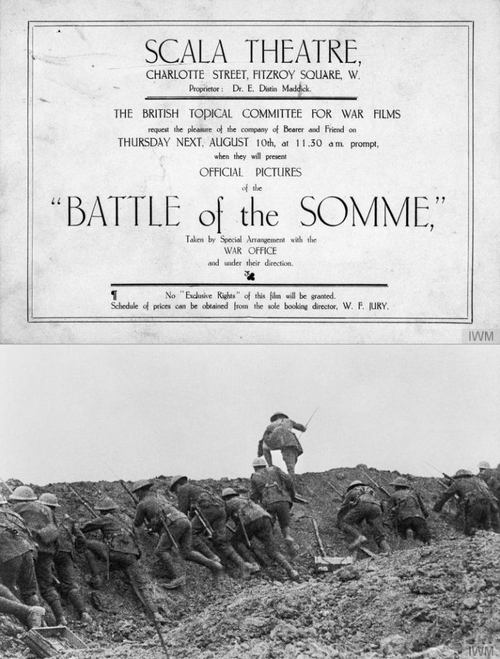
1916
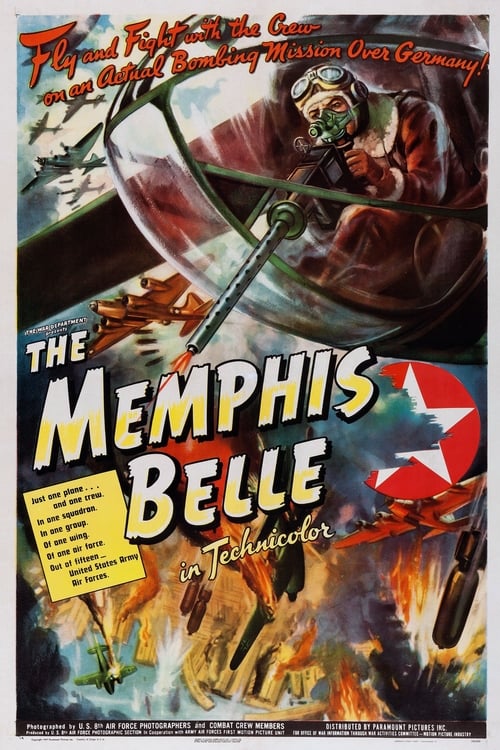
1944
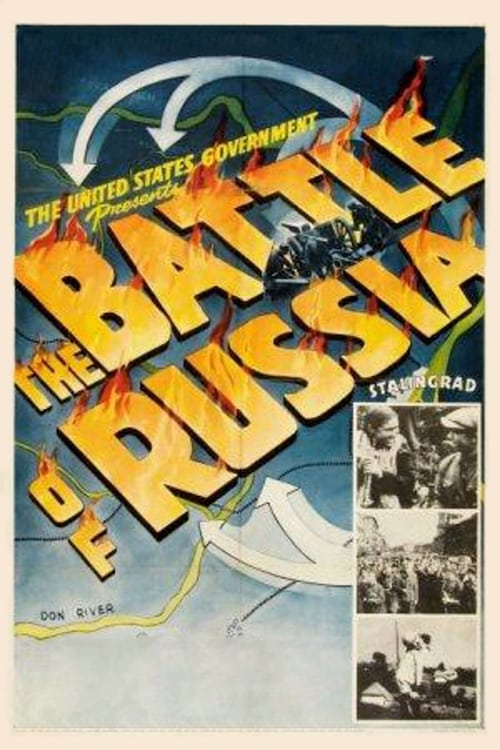
1943
No reviews yet. Be the first to share your thoughts on this movie!
Use the rating form above to leave a star rating and optional review.