The Fight for the Sky
1945
No user ratings available yet
Representation score: 0.3 out of 10
Representation Score
Minimal
1953
ApprovedDirector
Don Hewitt
Runtime
22 minutes
Average Rating
No ratings yetNew Showbiz Analysis
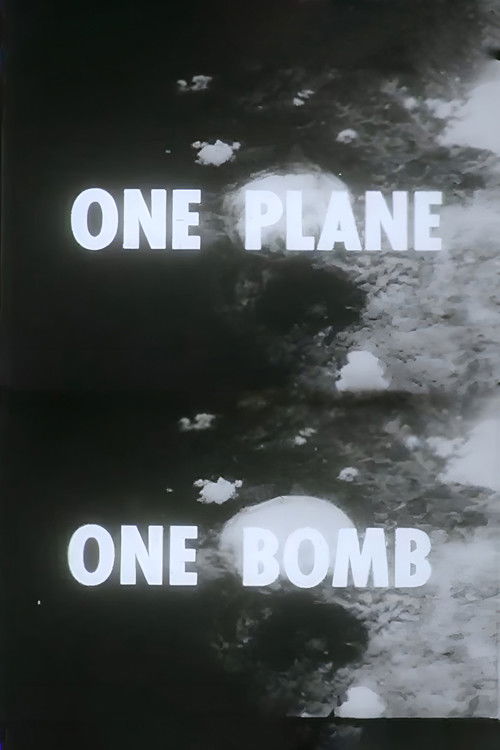
One Plane, One Bomb is a period-specific instructional documentary designed to reinforce existing social and national structures. Its primary goal is civic mobilization for national security, which limits its narrative scope to the status quo of 1953. The film lacks complexity in reflecting multiple aspects of identity, focusing instead on preserving established American social orders. This results in a narrow representation that mirrors the institutional values of the mid-century United States. As a pedagogical tool for civil defense, the film prioritizes uniformity and patriotic duty over character diversity or social subversion.
Category Breakdown
The film does not include any LGBTQ+ characters or narratives. As a 1953 civil defense tool, it adheres strictly to the social norms of its time.
Gender roles in the film follow traditional 1950s hierarchies. Men are portrayed as the primary defenders, while women likely have secondary or domestic roles.
The film reflects the demographic homogeneity of the early 1950s. It focuses on preserving a social order that defaults to white-centric depictions of American citizens.
The documentary promotes mid-century Western institutionalism and patriotism. It emphasizes traditional values of national security and organized social structures rather than diverse cultural perspectives.
There is no evidence of neurodivergent or physically disabled individuals. The emphasis on active aircraft spotting implies a focus on able-bodied volunteers.
Present on Screen
Limited or Absent
Official Synopsis
A 1953 U.S. civil defense preparedness film simulating an undetected air attack on New York City to promote civilian aircraft-spotter volunteer programs, narrated by Edward R. Murrow and directed by Don Hewitt.
1945
1944
1942
1943
1939
1940
1943
1943
No reviews yet. Be the first to share your thoughts on this movie!
Use the rating form above to leave a star rating and optional review.