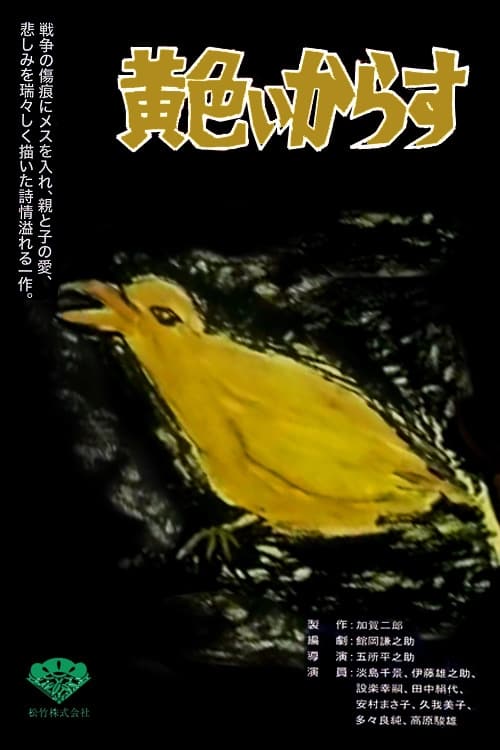
Yellow Crow
1957
No user ratings available yet
Diversity score: 3.5 out of 10
1953
Director
Heinosuke Gosho
Runtime
108 minutes
Average Rating
No ratings yetSynopsis
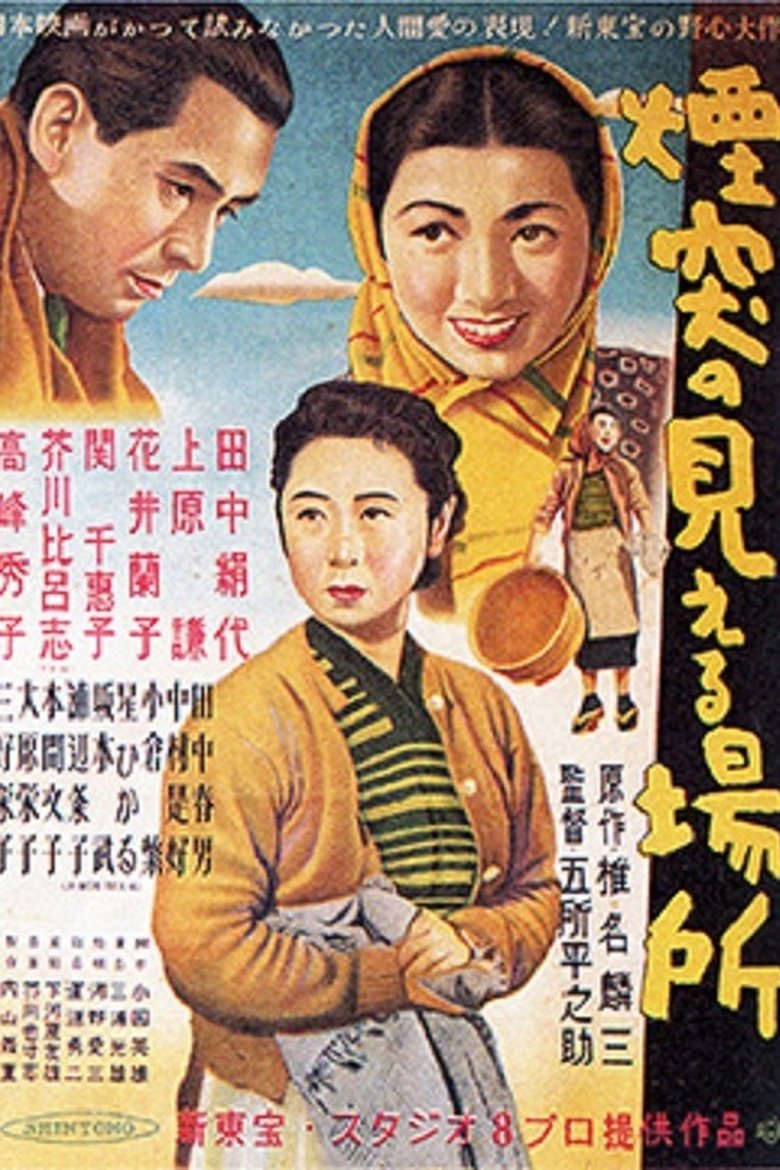
Where Chimneys Are Seen focuses primarily on the interconnected lives of two couples in a lower-middle-class neighborhood in Senju, a poor industrial section of Tokyo.
Overall Score
Fair
Category Breakdown
LGBTQ+ Representation
The film focuses on the domestic lives of two couples. There is no explicit evidence of non-heteronormative identities or queer subtext within the narrative.
Gender Representation
By centering the domestic sphere and working-class struggles, the film offers a nuanced view of gendered roles. Women in Gosho's work often possess significant agency and psychological depth.
Racial & Ethnic Diversity
The story is a localized study of a Japanese industrial district. It avoids elite-centric portrayals by prioritizing the lived reality of the local working-class populace.
Religious & Cultural Diversity
The film uses social realism to critique economic systems and traditional institutions. It emphasizes material reality and humanistic values over idealized or state-sanctioned morality.
Disability Representation
There is no specific evidence regarding the portrayal of physical or neurodivergent disabilities in this work.
Strengths
Areas for Improvement
AI Analysis
Where Chimneys Are Seen serves as a humanistic study of the working class in post-war Tokyo. By shifting the lens away from aristocratic narratives toward the industrial Senju district, the film provides a meaningful social observation of lower-middle-class life. While the film lacks modern identity-based markers, its strength lies in its departure from idealized nationalistic imagery. It replaces high-status archetypes with the complex, interconnected lives of ordinary people navigating economic precarity. However, the film remains constrained by the social frameworks of 1950s Japan. It lacks explicit representation of LGBTQ+ identities or disability, functioning primarily within the traditional domestic structures of its era.
1957

1954
1957
1946
1944
1985

1962

1972

2015
1948
1954
2002
No reviews yet. Be the first to share your thoughts on this movie!
Use the rating form above to leave a star rating and optional review.