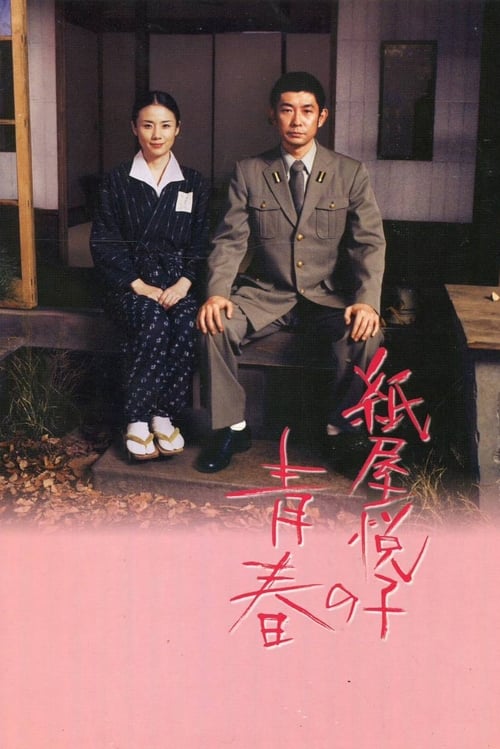
The Blossoming of Etsuko Kamiya
2006
No user ratings available yet
Representation score: 4.2 out of 10

Representation Score
Fair
2015
Director
Haruhiko Arai
Runtime
130 minutes
Average Rating
No ratings yetNew Showbiz Analysis
This historical drama shifts the focus to the female experience and domestic survival during the air raids of 1945 Tokyo. By centering on Satoko and her mother, the film avoids traditional male-centric war narratives. However, the film's historical setting limits its racial and LGBTQ+ diversity. The cast remains culturally homogeneous, reflecting the specific context of suburban Japan. While the film successfully portrays the strength of women in wartime, it lacks multi-layered character arcs for greater diversity.
Category Breakdown
The story focuses on Satoko's attraction to a local man, with no visible depiction of non-straight relationships or identities.
The film highlights the resilience of Satoko and her mother, shifting the wartime perspective from the battlefield to the domestic struggle for survival.
Set in suburban Tokyo, the cast reflects a culturally homogeneous Japanese population with no significant racial diversity among the characters.
The film presents a pragmatic view of familial structures and wartime hardships, avoiding romanticized nationalism and focusing on the harsh realities of survival.
There are no characters with visible or invisible disabilities mentioned in the narrative.
Present on Screen
Limited or Absent
Official Synopsis
In suburban Tokyo in 1945, years of war and concentrated air raids by US forces have left the city in tatters and the population poor, tired, and hungry. The 19-year-old Satoko and her mother bide their time working nominal jobs and trying to stave off hunger. A displaced aunt turns up looking for shelter, but she is just another hungry mouth to feed. Satoko is becoming a woman and is drawn to the only eligible man in the neighborhood. This is a decidedly quiet film that focuses on a single character and her survival in dire circumstances in the spring of her life.
2006
1955
1946
1951
2017
1977
2010

1948
No reviews yet. Be the first to share your thoughts on this movie!
Use the rating form above to leave a star rating and optional review.