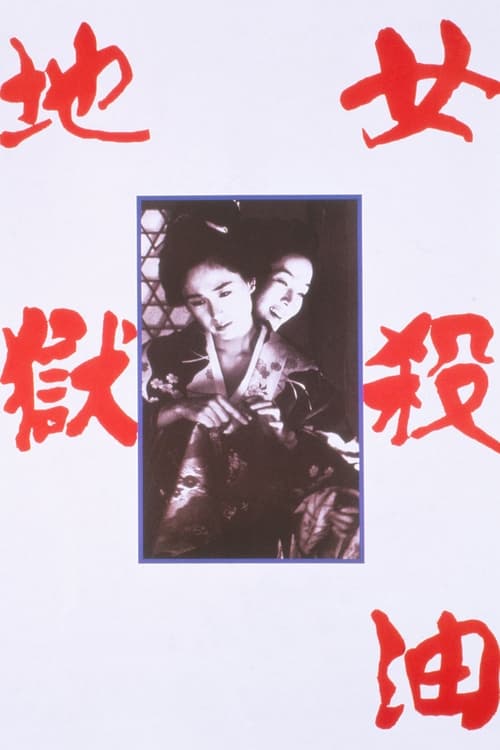
The Oil-Hell Murder
1992
No user ratings available yet
Diversity score: 5.6 out of 10
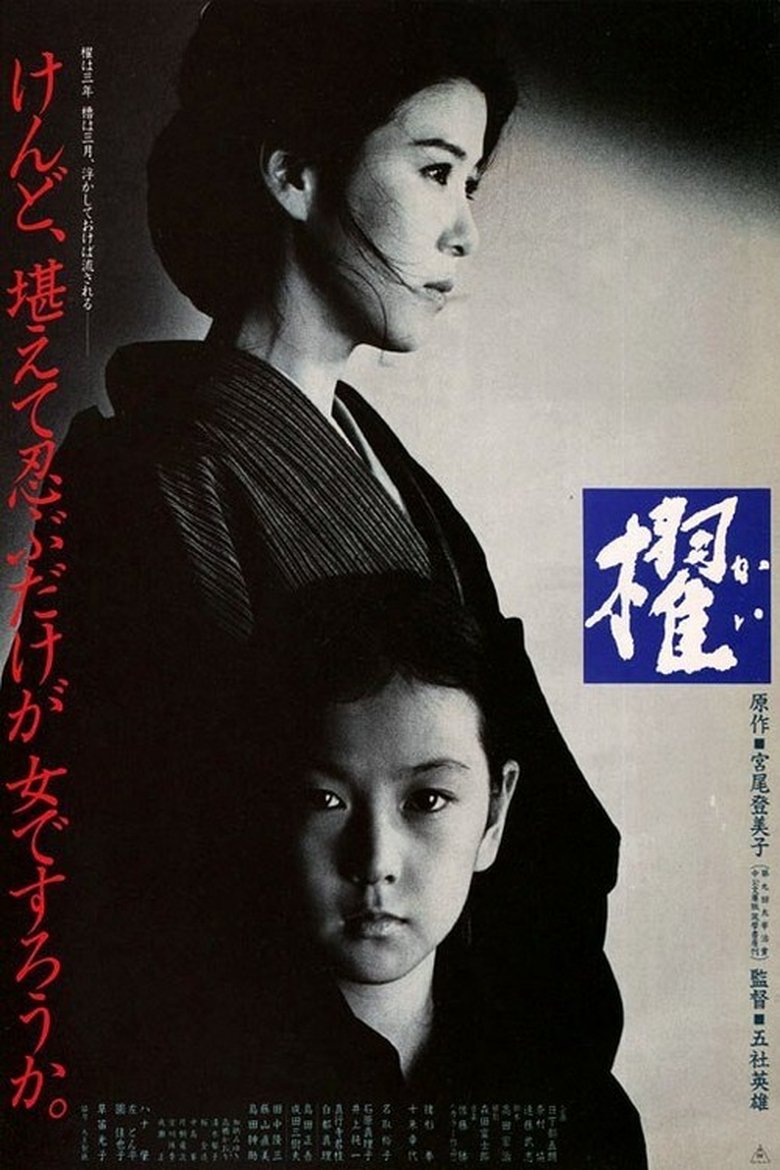
1985
Director
Hideo Gosha
Runtime
134 minutes
Average Rating
No ratings yetSynopsis
Drama about the difficult relationship between a former wrestler, his wife and their adopted children.
Overall Score
Fair
Category Breakdown
LGBTQ+ Representation
The film lacks explicit evidence of queer identities or non-cisnormative characters. The narrative appears centered on a traditional nuclear family structure involving a husband, wife, and adopted children.
Gender Representation
The friction between a former wrestler and his wife suggests a subversion of domestic hierarchies. Female characters in Gosha's work often possess significant psychological agency and act as emotional catalysts.
Racial & Ethnic Diversity
As a Japanese production, the film operates within a culturally homogeneous framework. It adheres to the demographic norms of its era and region without featuring multi-ethnic casting.
Religious & Cultural Diversity
The inclusion of adopted children introduces themes of non-biological kinship. This focus allows the film to deconstruct traditional concepts of the idealized family unit and bloodline sanctity.
Disability Representation
There is no information available regarding characters with physical, sensory, or neurodivergent disabilities.
Strengths
Areas for Improvement
AI Analysis
Oar functions as a localized study of social dynamics and psychological realism. By focusing on the friction within a domestic unit, the film moves away from sanitized, idealized family portrayals common in the mid-1980s. While the film lacks explicit intersectional markers or diverse ethnic casting, it finds depth through its exploration of non-traditional kinship. The use of adoption provides a platform to examine complex emotional bonds beyond biological ties. Ultimately, the film's strength lies in its potential to deconstruct traditional social structures and domestic stability through its gritty, character-driven narrative architecture.
1992
1946

1941

1965
1997
2002

1962

1980
1959

1997
1962

2017
No reviews yet. Be the first to share your thoughts on this movie!
Use the rating form above to leave a star rating and optional review.