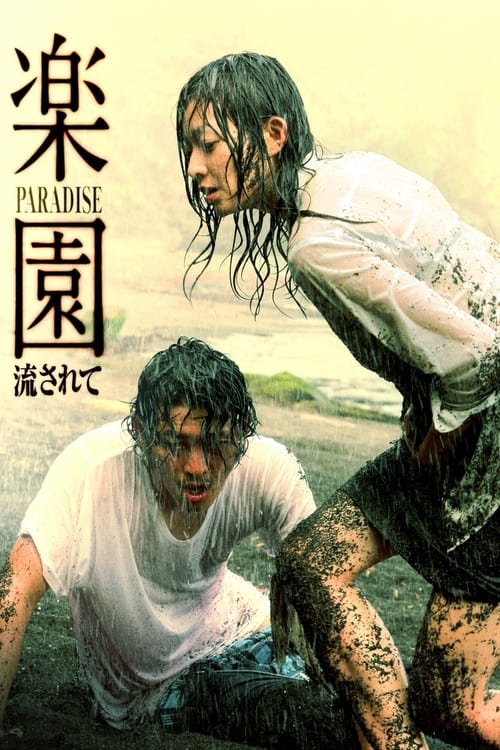
Paradise: Carried Away
2006
No user ratings available yet
Representation score: 4.0 out of 10
Representation Score
Fair
2002
Director
Takashi Koizumi
Runtime
128 minutes
Average Rating
No ratings yetNew Showbiz Analysis
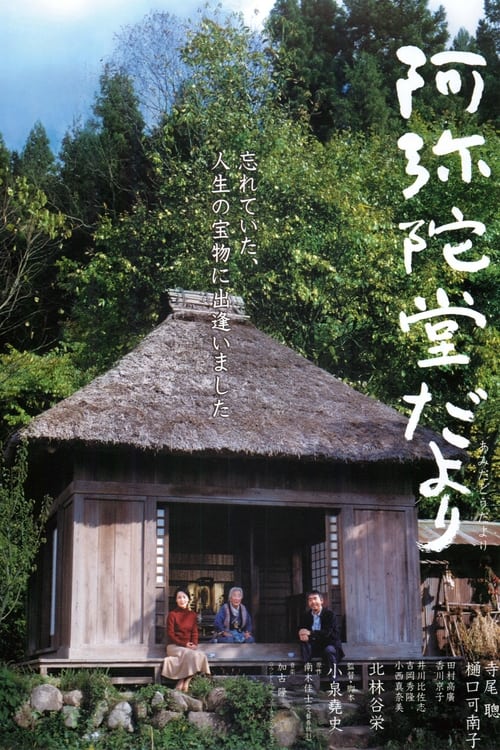
Letter from the Mountain is a contemplative drama that emphasizes environmental and social changes over identity politics. It examines the tension between modern urban life and traditional communal structures through the relocation of a married couple. The film lacks diverse representation or radical identity subversion, resulting in a lower score for diversity. However, it offers a nuanced critique of modern lifestyle norms by deconstructing urban-centric existence in favor of rural realism. Ultimately, the work serves as a culturally specific study of Japanese regionalism rather than a globally diverse narrative.
Category Breakdown
The film centers on a traditional marriage between Michiko and Takao. There is no indication of queer subtext or non-straight identities within the story.
The story features a dual-protagonist structure focused on a husband and wife. This setup allows for a potential reevaluation of traditional gender roles as the characters adapt to rural life.
Set in a rural Japanese village, the film showcases an ethnically homogeneous cast. It functions as a culturally specific study of Japanese regionalism rather than a globally diverse narrative.
The narrative explores the tension between urban capitalism and agrarian traditions. It critiques modern metropolitan structures by highlighting the communal values of an isolated farming village.
There are no details about characters with visible or invisible disabilities in the film.
Present on Screen
Limited or Absent
Official Synopsis
Husband and wife Michiko and Takao move from their urban existence in Tokyo to the isolated, rural farming village where Takao grew up.
2006
1960
2015
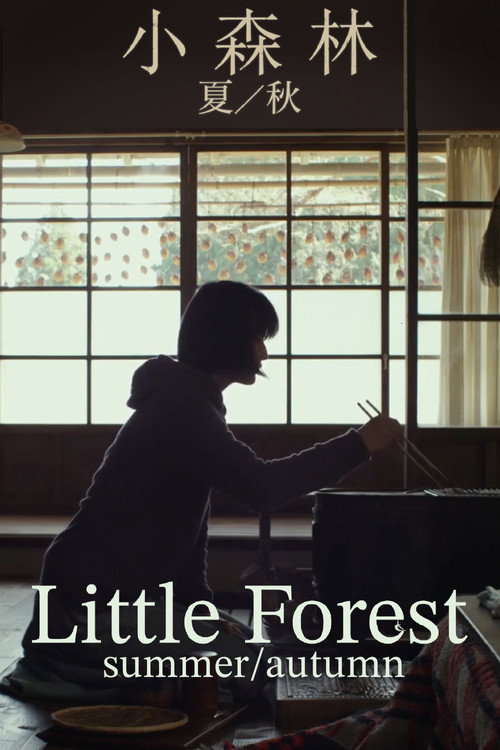
2014
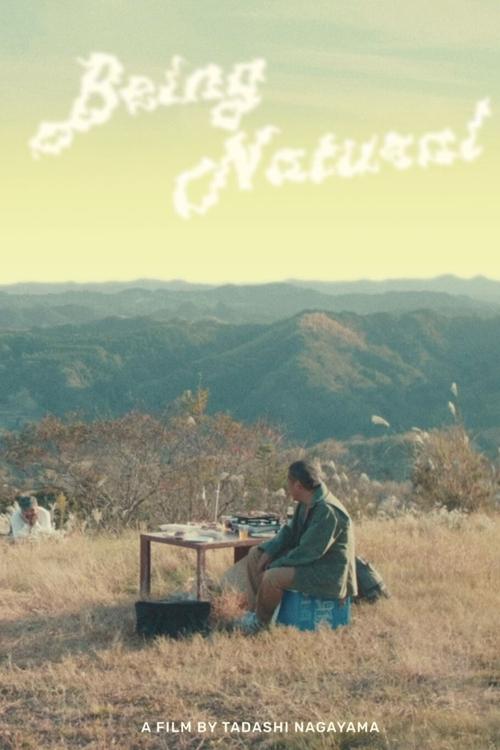
2018

1972
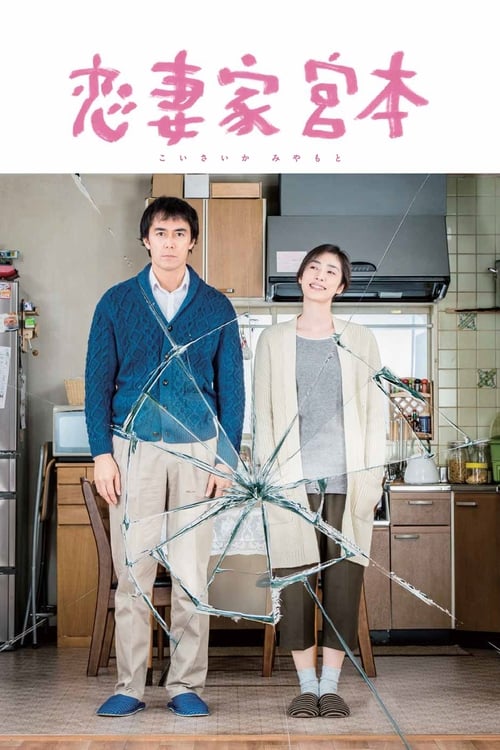
2016
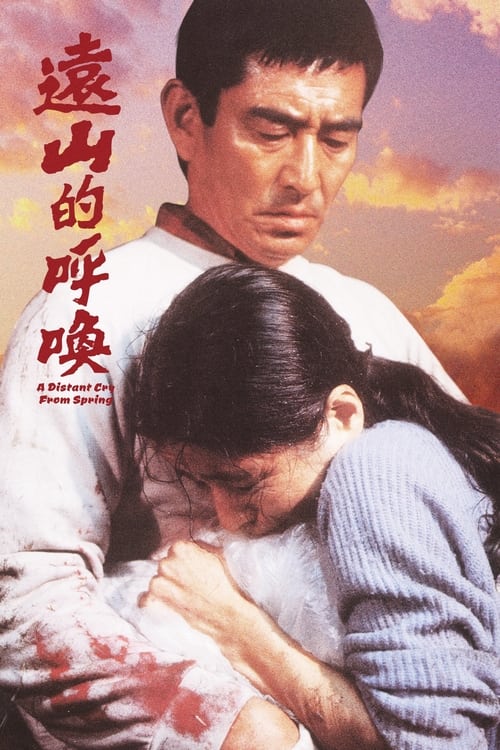
1980
No reviews yet. Be the first to share your thoughts on this movie!
Use the rating form above to leave a star rating and optional review.