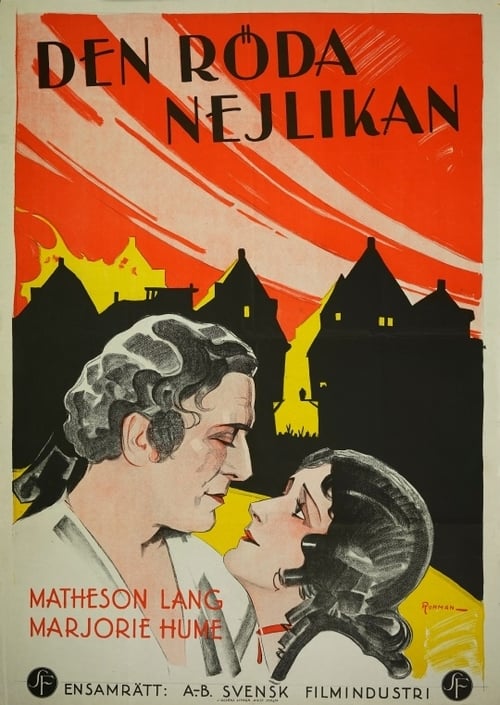
The Triumph of the Scarlet Pimpernel
1928
No user ratings available yet
Representation score: 2.0 out of 10
Representation Score
Minimal
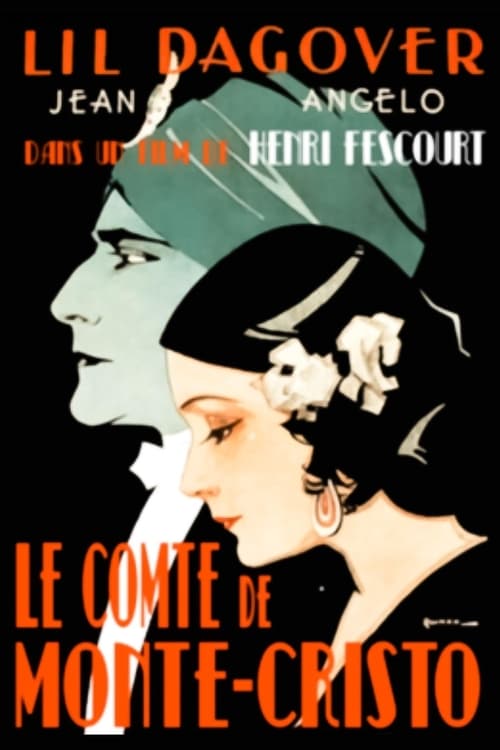
1929
Director
Henri Fescourt
Runtime
223 minutes
Average Rating
No ratings yetNew Showbiz Analysis
Henri Fescourt’s 1929 adaptation of *The Count of Monte Cristo* is a classic adventure film that prioritizes historical accuracy and broad storytelling. It reflects the social and cinematic norms of the late silent era. The film sticks closely to the traditional themes of the source material, focusing on male-driven revenge and aristocratic social structures. As a result, it does not challenge established social hierarchies or include diverse identities, offering a very traditional viewing experience.
Category Breakdown
There is no representation of LGBTQ+ identities or same-sex relationships in the film. It follows the heterosexual romantic arcs typical of the original text.
Female characters play important roles in the emotional core of the story but are mostly passive. The plot centers around male-driven revenge and leadership, reinforcing traditional gender roles.
The film features a predominantly white cast. There are no characters of color who have significant influence in the story.
The film explores themes of class and justice through traditional lenses. It emphasizes individual revenge and honor rather than broader social critiques.
Characters with disabilities are used primarily as narrative devices without much depth or complexity. They serve specific plot functions rather than representing real-life experiences.
Present on Screen
Limited or Absent
Official Synopsis
Young sailor Edmond Dantès is wrongfully imprisoned, escapes, finds treasure, and reinvents himself as the wealthy Count of Monte Cristo to exact revenge on those who betrayed him.
1928
1964
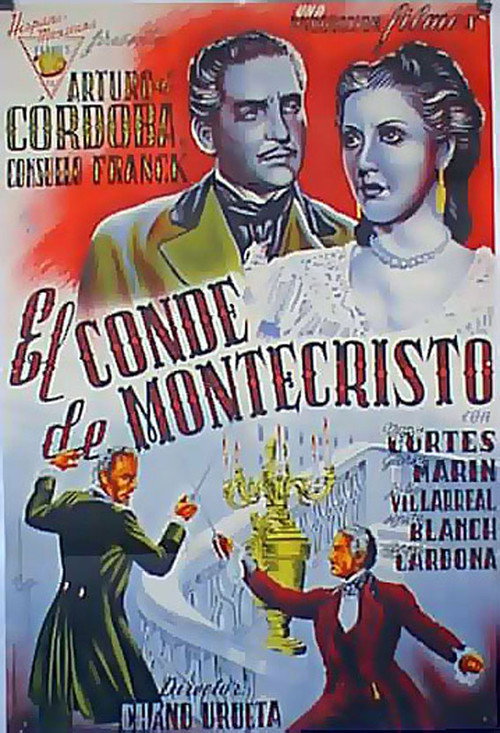
1942
1952
1943
1925
1949
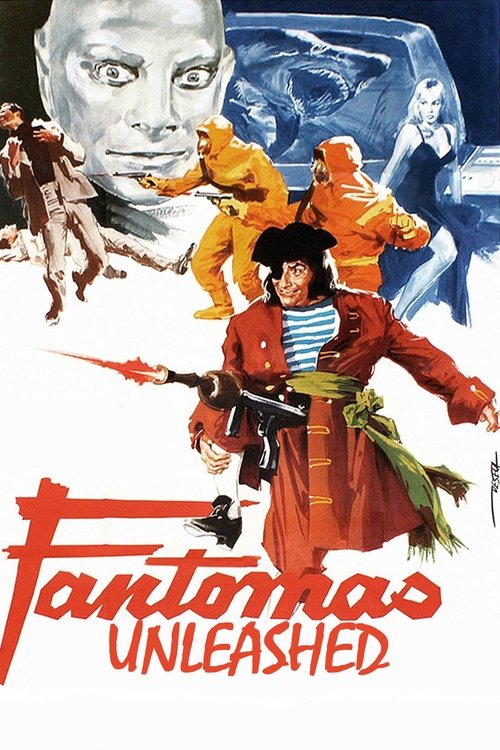
1965
No reviews yet. Be the first to share your thoughts on this movie!
Use the rating form above to leave a star rating and optional review.