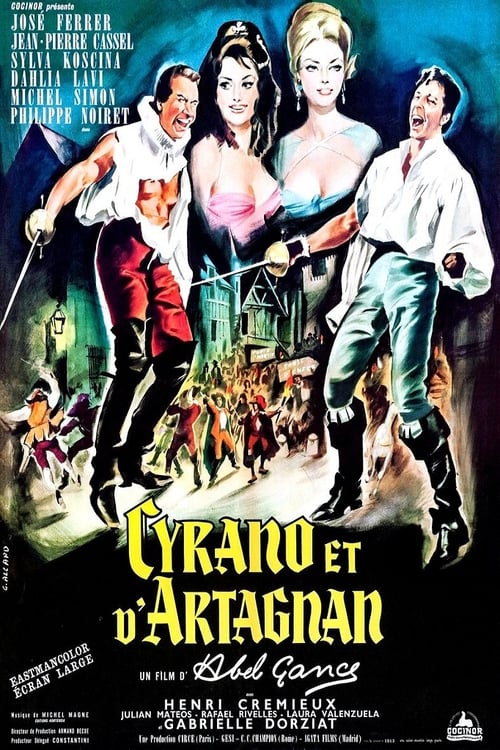
Cyrano and d'Artagnan
1964
No user ratings available yet
Diversity score: 1.4 out of 10
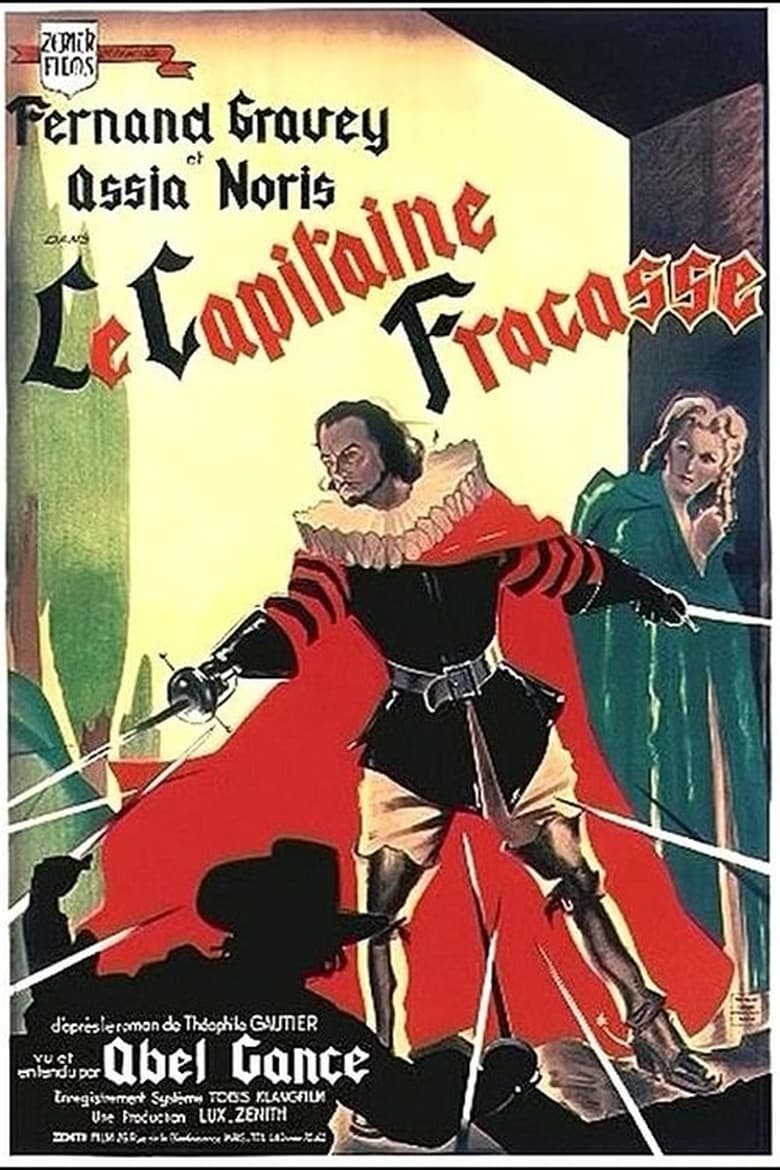
1943
Director
Abel Gance
Runtime
100 minutes
Average Rating
No ratings yetSynopsis
Out of love for an actress, Isabelle, the Baron de Sigognac joins a traveling troop en route to Paris. When an actor dies, he takes over his role: that of Captain Fracasse.
Overall Score
Minimal
Category Breakdown
LGBTQ+ Representation
The film follows strict heteronormative romantic structures. There are no depictions of non-cisnormative identities or same-sex intimacy.
Gender Representation
Isabelle serves as a central figure of desire, yet her agency remains tied to her relationship with the protagonist. The film reinforces traditional 18th-century gender hierarchies.
Racial & Ethnic Diversity
The casting reflects the demographic homogeneity of 18th-century France. The ensemble presents a largely Anglo-European social landscape without diverse casting.
Religious & Cultural Diversity
The story celebrates Western romantic and aristocratic ideals. It avoids deconstructing institutions, treating the protagonist's loss of fortune as a mere catalyst for adventure.
Disability Representation
There are no characters with visible or invisible disabilities. Disability is not utilized as a narrative device in this production.
Strengths
Areas for Improvement
AI Analysis
Abel Gance’s adventure film is a traditionalist period piece that prioritizes romantic escapism over social critique. The narrative focuses on class mobility and theatrical tropes, adhering closely to the conventions of 18th-century romanticism. Representation is minimal, as the film upholds established historical hierarchies. It functions as a genre-driven exploration of honor and destiny rather than a platform for diverse identities or systemic disruption.
1964
1961
1947
1939
1929
1953
1938
1963
1947
1940
1949
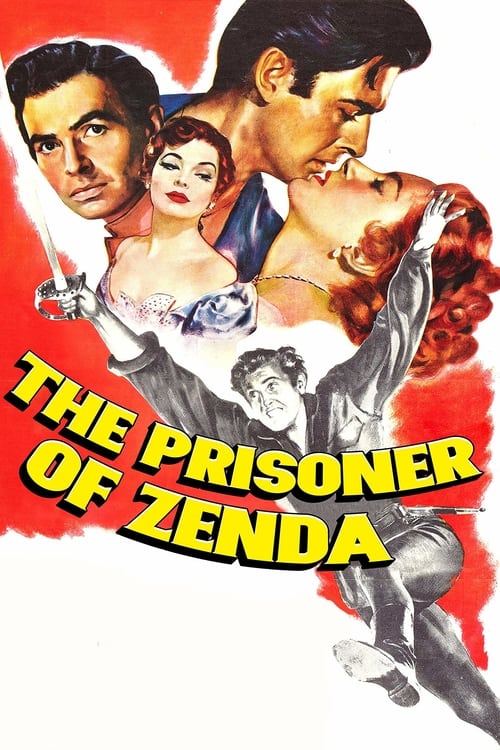
1952
No reviews yet. Be the first to share your thoughts on this movie!
Use the rating form above to leave a star rating and optional review.