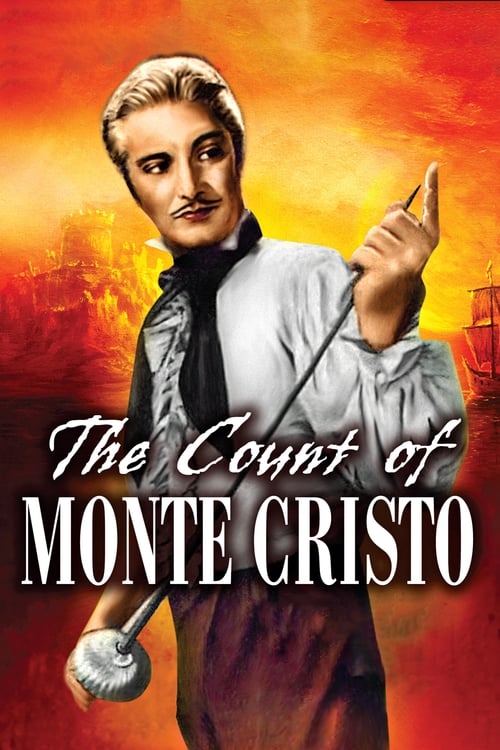
The Count of Monte Cristo
1934
No user ratings available yet
Representation score: 2.4 out of 10
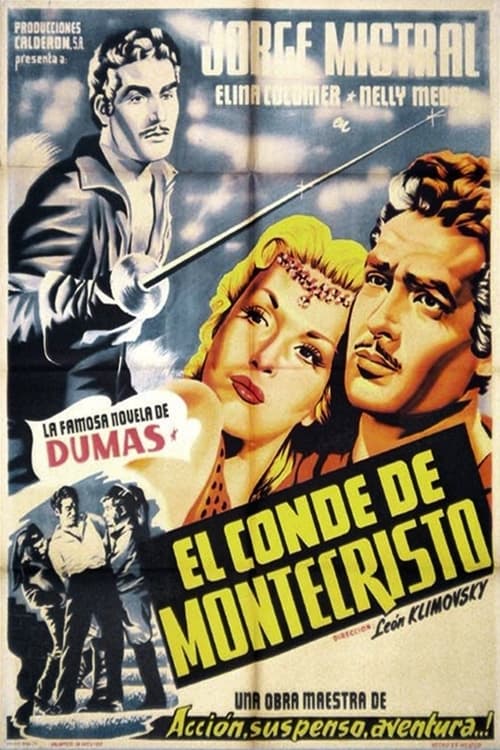
Representation Score
Limited
1953
Director
León Klimovsky
Runtime
102 minutes
Average Rating
No ratings yetNew Showbiz Analysis
This 1953 adaptation of Alexandre Dumas' classic adheres strictly to the cinematic and social norms of its time. The narrative structure emphasizes individual heroism, revenge, and social mobility, presenting a traditional view of 19th-century European society. The film centers around a single, dominant protagonist and follows conventional gender and racial frameworks. It offers limited subversion of traditional power dynamics or diverse viewpoints. While the film touches on complex moral shifts, it does so within a framework that reinforces established social hierarchies rather than challenging them.
Category Breakdown
The film does not include any visible LGBTQ+ characters or non-straight relationships. The story focuses solely on the heterosexual romantic motivations of the main character.
Female characters like Mercedes serve mainly as catalysts for the plot and objects of desire. They do not have the power to challenge male-dominated environments such as maritime life or aristocratic circles.
The casting is predominantly white and European, reflecting the historical context and production standards of 1953. There is no indication of diverse ethnic groups among the main or supporting characters.
The story delves into themes of justice through personal revenge and moral ambiguity. However, it ultimately upholds the significance of social status and wealth within the aristocratic system.
There is no significant or detailed portrayal of physical or neurodivergent disabilities. Character conflicts revolve around socio-political and psychological issues like betrayal and imprisonment.
Present on Screen
Limited or Absent
Official Synopsis
Edmundo Dantes is betrayed by his best friend, who has him killed to keep his property and his love. But after a few years, a certain Count appears to mortify the life of the traitorous friend.
1934
1952
1954
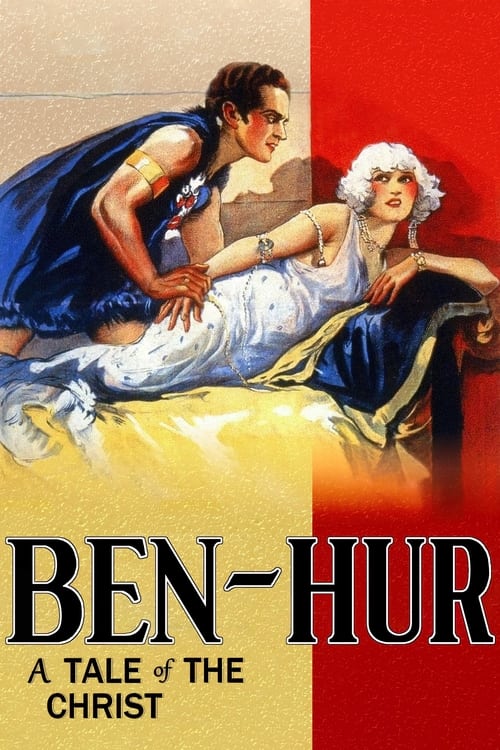
1925

2024
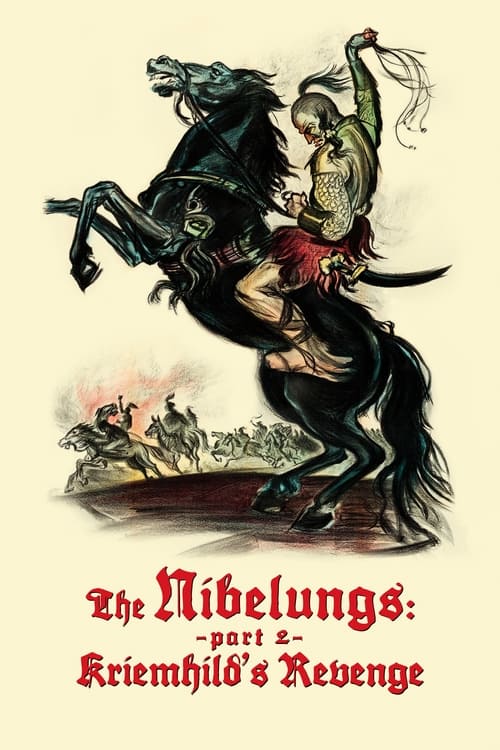
1924
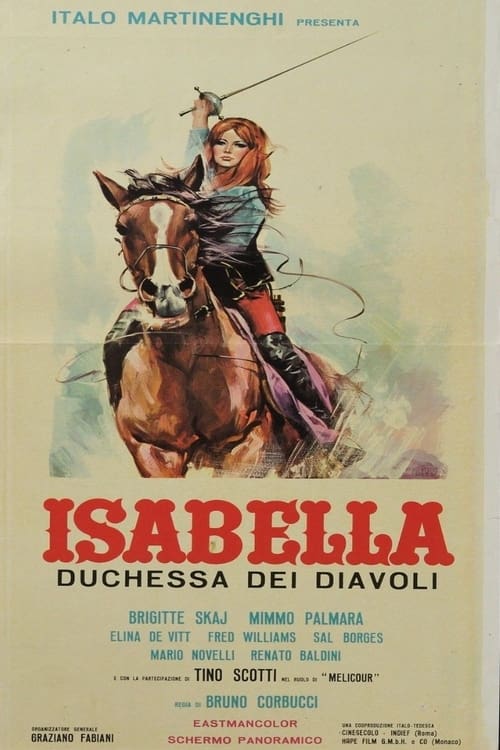
1969
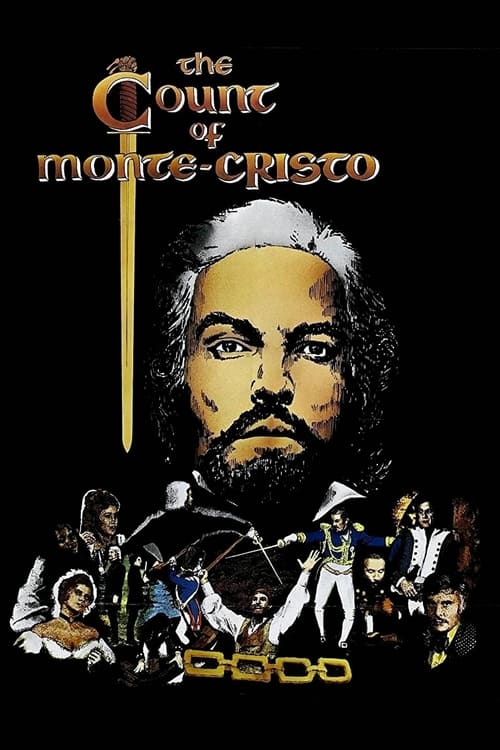
1975
No reviews yet. Be the first to share your thoughts on this movie!
Use the rating form above to leave a star rating and optional review.