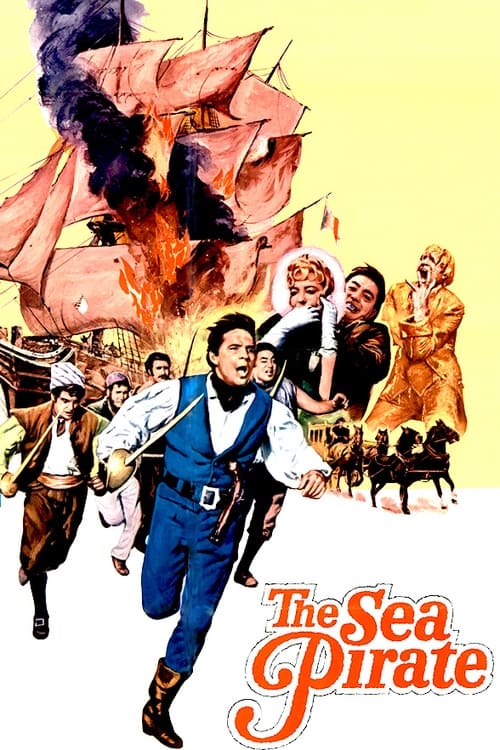
The Sea Pirate
1966
No user ratings available yet
Diversity score: 3.2 out of 10
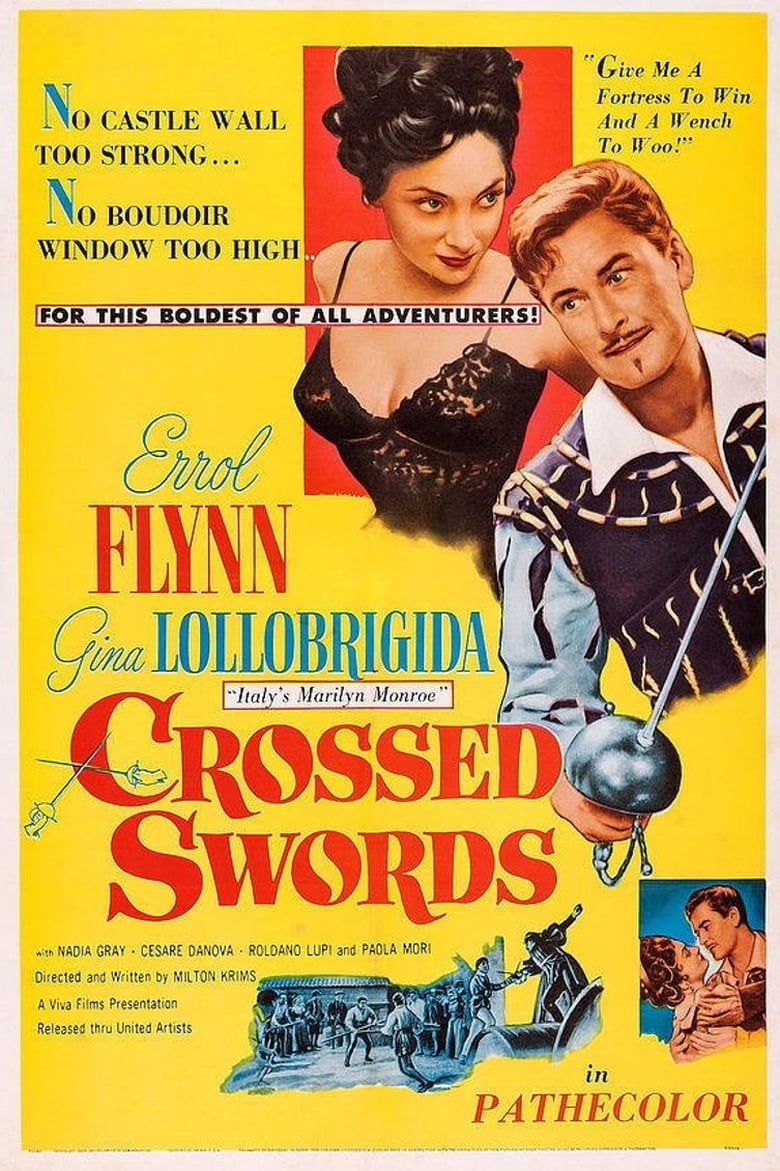
1954
ApprovedDirector
Milton Krims, Vittorio Vassarotti
Runtime
86 minutes
Average Rating
No ratings yetSynopsis
Nobleman Rainiero, Sidonia's duke son, comes back home with his friend Renzo. Soon after arrival, Renzo will get in a big trouble and he will be forced to choose between going to church for marriage or going to prison.
Overall Score
Limited
Category Breakdown
LGBTQ+ Representation
The film lacks any evidence of non-cisnormative identities. The central plot focuses on a choice between marriage and prison, reinforcing traditional heteronormative structures.
Gender Representation
The story centers on male protagonists Rainiero and Renzo. The narrative prioritizes male-driven conflict and decision-making, offering no indication of female agency or subverted hierarchies.
Racial & Ethnic Diversity
The setting suggests a period-specific European context involving nobility. The film appears to reflect the homogeneous social hierarchies typical of 1950s adventure cinema.
Religious & Cultural Diversity
Religious institutions serve as a central pillar of social consequence. The narrative reinforces traditional Western institutional values through the protagonist's moral dilemma.
Disability Representation
There is no discernible evidence regarding the inclusion of characters with physical or neurodivergent disabilities.
Strengths
Areas for Improvement
AI Analysis
Crossed Swords is a mid-century adventure that adheres strictly to the conventional storytelling structures of its era. The narrative is built around traditional masculine-centric tropes and established social hierarchies. The film emphasizes religious and matrimonial institutions as the primary drivers of conflict. This focus reinforces mid-20th-century social norms rather than challenging them. Ultimately, the work lacks intersectional complexity, presenting a world defined by male-driven decision-making and homogeneous European archetypes.
1966
1949
1967

1951

1965

2000
1950
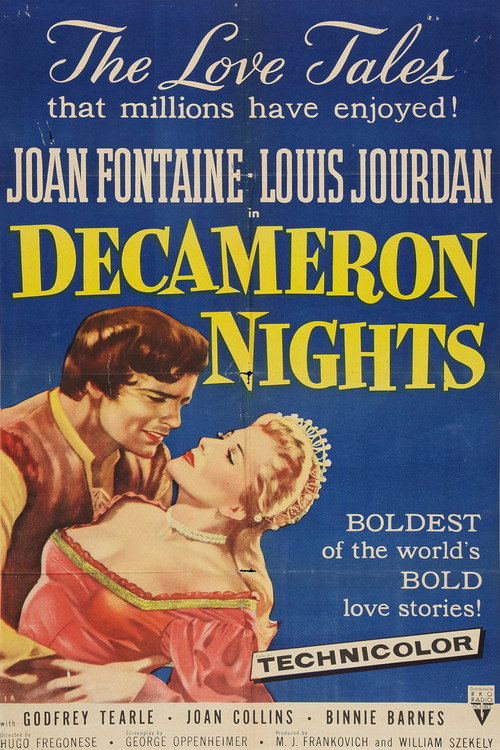
1953
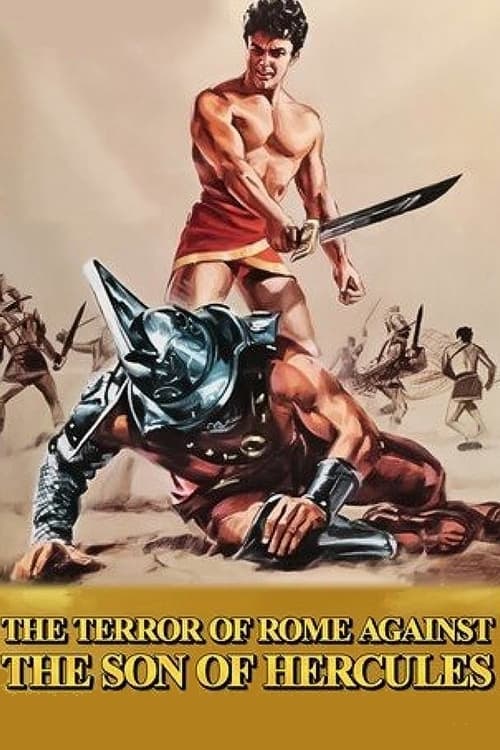
1964
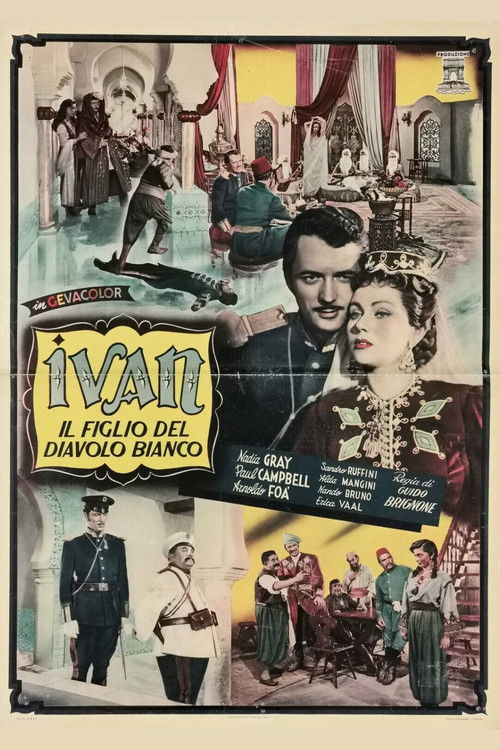
1953
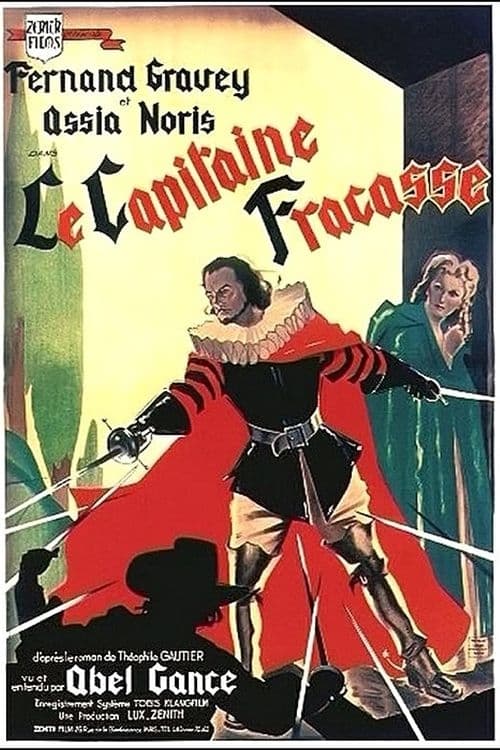
1943
1969
No reviews yet. Be the first to share your thoughts on this movie!
Use the rating form above to leave a star rating and optional review.