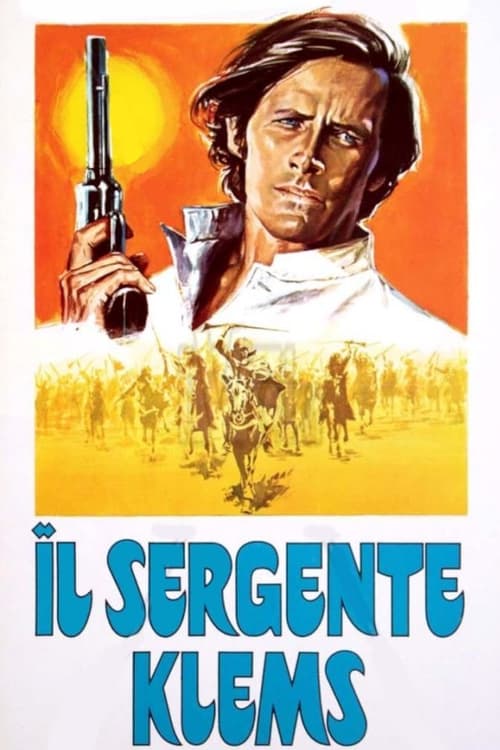
Sergeant Klems
1971
No user ratings available yet
Representation score: 2.1 out of 10

Representation Score
Minimal
1959
12Director
Richard von Schenck, Albert Arliss
Runtime
87 minutes
Average Rating
No ratings yetNew Showbiz Analysis
Cavalcade operates as a traditional historical anthology that upholds mid-century social and cultural norms. The narrative structure emphasizes the continuity of the American frontier experience through a conventional lens. By focusing on the development of institutions and the progress of the frontier, the film maintains a standard approach to historical progression. It does not intentionally challenge established hierarchies of gender, race, or identity. Ultimately, the film exemplifies the era's focus on homogeneous settler demographics and traditional societal structures.
Category Breakdown
The film does not include any LGBTQ+ characters or non-cisgender identities. It follows the traditional heterosexual norms typical of mid-century Western cinema.
The film features traditional Western gender roles that reinforce existing hierarchies. Women play roles across different segments but rarely have the power to challenge male dominance.
The story focuses on Anglo-Saxon views of frontier settlement and expansion. There is no significant racial diversity or non-white majority casting.
Themes center on the American landscape and traditional Western values. The vignettes emphasize institutional progress and foundationalist themes rather than secular or anti-capitalist perspectives.
There are no characters with visible or invisible disabilities, and disability is not a central part of the narrative.
Present on Screen
Limited or Absent
Official Synopsis
Set on the Argentine coast in 1870, a man pretends to be an outlaw to catch an army deserter.
1971
1964

1952
1952
1951
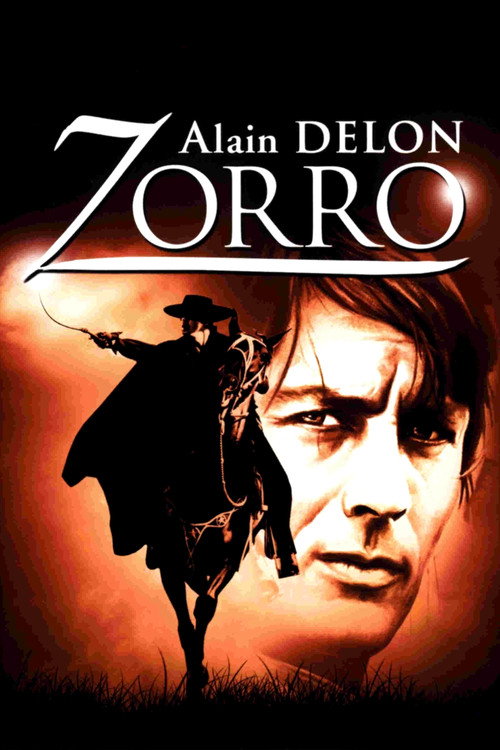
1975
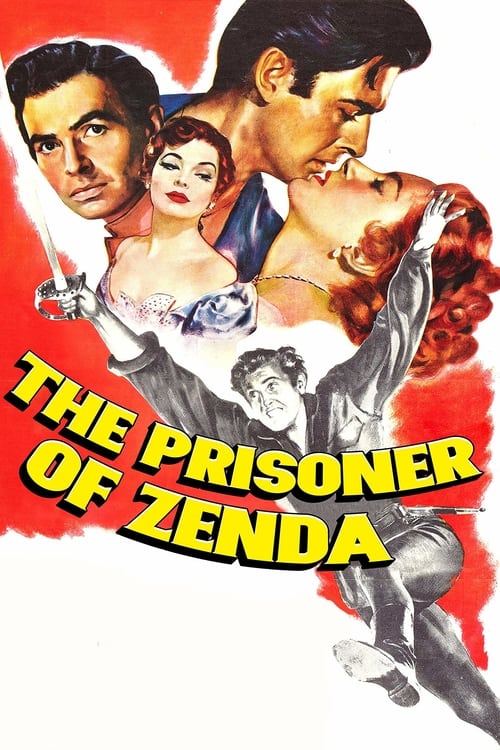
1952
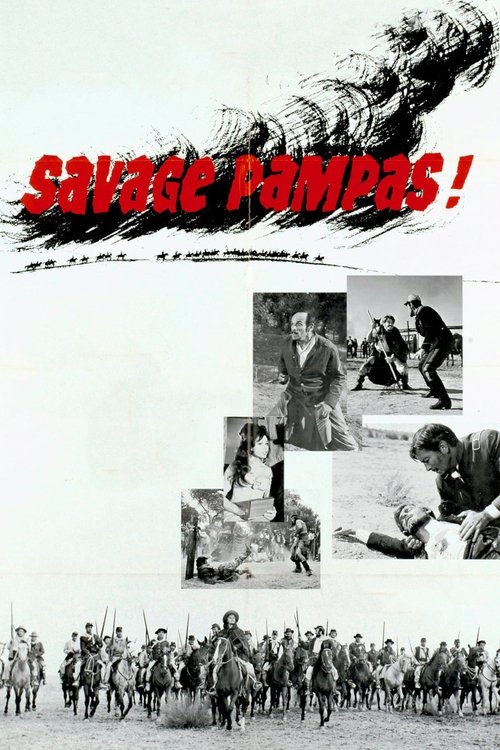
1966
No reviews yet. Be the first to share your thoughts on this movie!
Use the rating form above to leave a star rating and optional review.