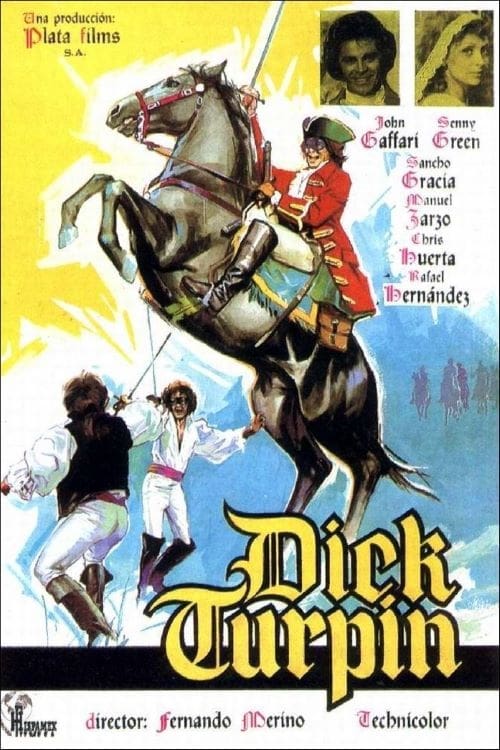
Dick Turpin
1974
No user ratings available yet
Representation score: 2.0 out of 10
Representation Score
Minimal
1956
UDirector
David Paltenghi
Runtime
26 minutes
Average Rating
No ratings yetNew Showbiz Analysis
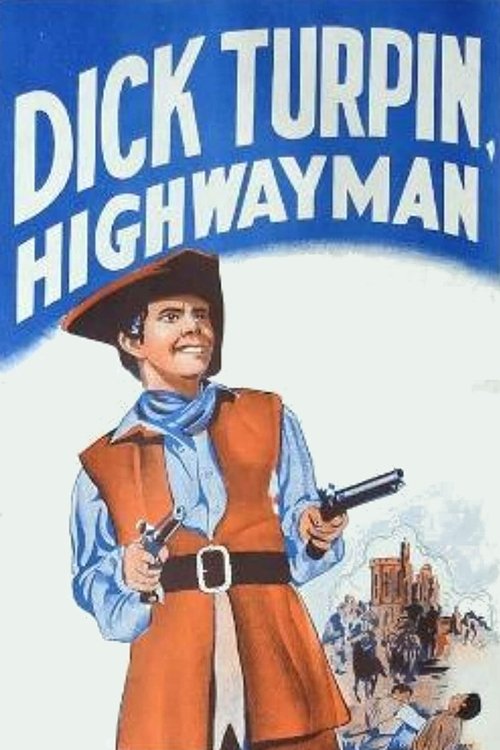
Dick Turpin: Highwayman is a product of mid-1950s British studio conventions, emphasizing historical archetypes over diverse representation. The film centers on a singular male hero, leaving little room for varied perspectives. The production reflects the homogeneous social norms of the time, lacking intentional efforts to include diverse identities such as non-white characters, LGBTQ+ representation, or nuanced portrayals of disability.
Category Breakdown
The film does not include any LGBTQ+ characters or non-cisgender identities, sticking to the traditional heterosexual norms of 1956 adventure films.
The story revolves around the male protagonist, Dick Turpin, emphasizing his traditional masculine role. Female characters are mostly passive or domestic, reinforcing gender stereotypes.
The film centers on a traditional Anglo-Saxon framework fitting its historical English setting. There is no evidence of racial diversity or non-white characters having significant roles.
The story operates within a traditional Western adventure framework, focusing on individualistic adventures without critiquing established social or religious institutions.
The film does not depict any characters with disabilities having significant roles or nuanced portrayals.
Present on Screen
Limited or Absent
Official Synopsis
A Hammer Films short recounting the adventures of Dick Turpin.
1974
1964
1928

1955
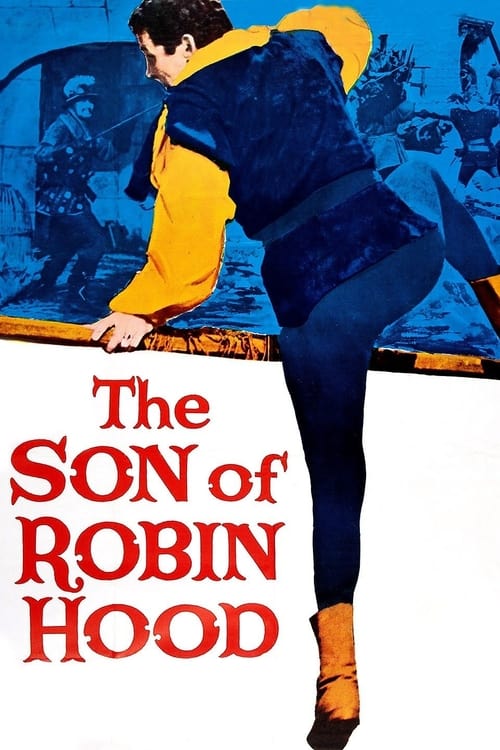
1958
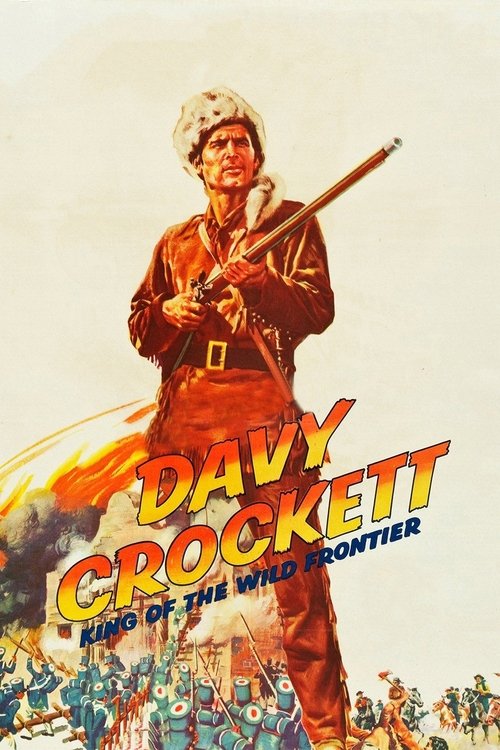
1955
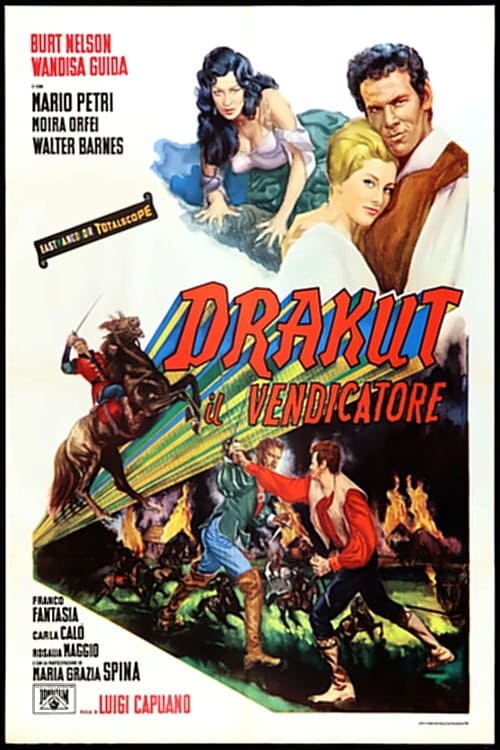
1961
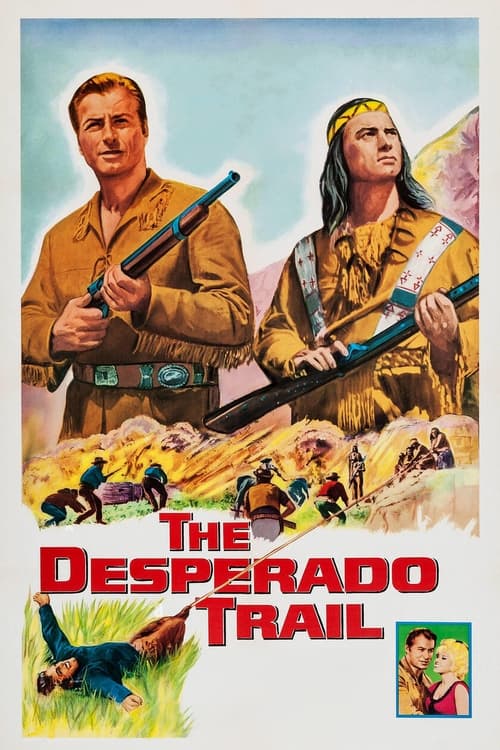
1965
No reviews yet. Be the first to share your thoughts on this movie!
Use the rating form above to leave a star rating and optional review.