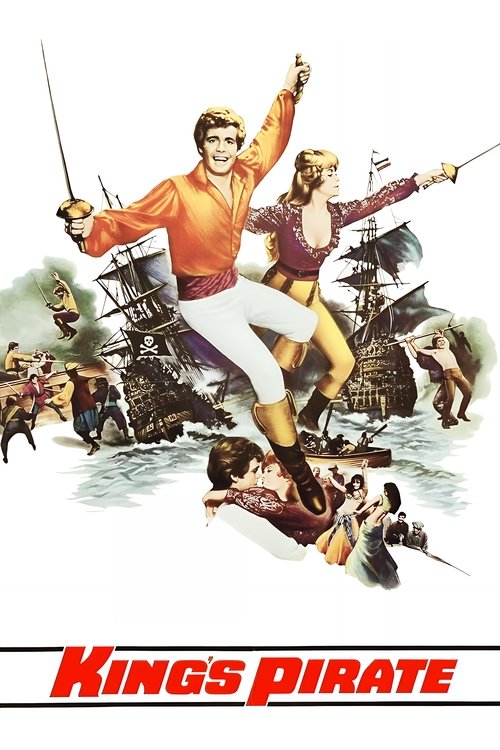
The King's Pirate
1967
No user ratings available yet
Representation score: 0.6 out of 10

Representation Score
Minimal
1952
ApprovedDirector
Raoul Walsh
Runtime
99 minutes
Average Rating
No ratings yetNew Showbiz Analysis
Raoul Walsh's adventure film is a classic mid-century pirate movie that emphasizes spectacle and heroic archetypes. It follows the cinematic conventions of 1952, reinforcing traditional social and gender hierarchies without challenging them. The narrative relies on familiar clichés, focusing on masculine camaraderie and a simple moral framework. It does not explore deeper social critiques or introduce complex social perspectives. Overall, the film upholds the standards of mainstream mid-20th-century cinema, emphasizing action and adventure without addressing more nuanced social issues.
Category Breakdown
The film does not include any non-cisgender identities or same-sex relationships. It assumes everyone is straight and cisgender.
The story focuses on a male-dominated maritime setting. Female characters play minor roles and mostly serve as catalysts for male actions.
The cast is predominantly white, with very few actors of color in major roles. Racial diversity is limited to background roles typical of the time.
The film portrays piracy as a standard adventure motif without critiquing Western institutions. The moral framework is straightforward and binary.
The film does not address neurodivergence or physical disabilities. Characters are defined by their physical fitness for adventure.
Present on Screen
Limited or Absent
Official Synopsis
Honest Robert Maynard finds himself serving as ship's surgeon under the infamous pirate Blackbeard.
1967

1955
1952
1951
1954
1964
1960
1935
No reviews yet. Be the first to share your thoughts on this movie!
Use the rating form above to leave a star rating and optional review.