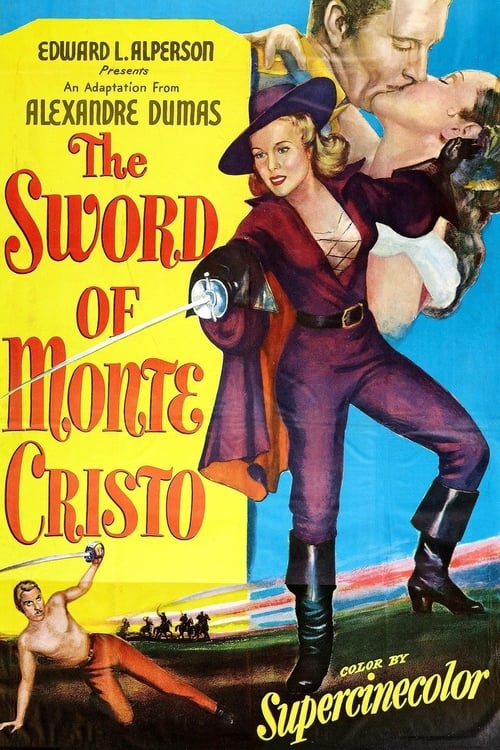
The Sword of Monte Cristo
1951
No user ratings available yet
Representation score: 2.0 out of 10
Representation Score
Limited
1961
ApprovedDirector
Robert S. Baker, Monty Berman
Runtime
95 minutes
Average Rating
No ratings yetNew Showbiz Analysis
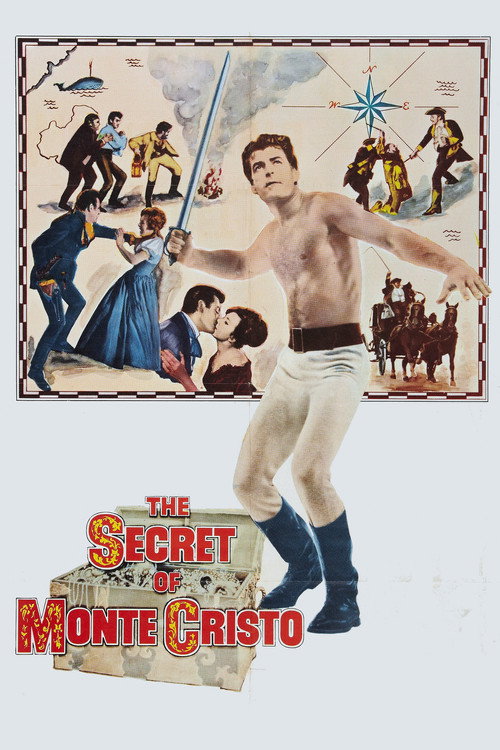
The Treasure of Monte Cristo is a quintessential mid-century adventure film that prioritizes traditional storytelling over social critique. It relies heavily on established genre clichés and conventional narrative structures. The film upholds traditional Western values, focusing on individualistic heroism and justice. It reinforces existing social and gender hierarchies without attempting to challenge them. Ultimately, the production reflects the era's homogeneity, lacking the intentionality needed to engage with diverse identities.
Category Breakdown
The film follows strict conventions typical of 1960s adventure cinema, with no representation of LGBTQ+ identities or same-sex relationships.
The narrative reinforces traditional gender roles, with Captain Adam Corbett taking a leading role while Pauline serves mainly as a figure of motivation.
The cast is primarily homogeneous, reflecting the period-specific casting norms of 1961 British cinema, with no characters of color having significant roles.
The story uses a classic adventure framework emphasizing individual heroism and explores socioeconomic issues through melodrama without critiquing systemic issues.
The film does not address neurodivergence or physical disabilities, defining characters solely by their physical abilities necessary for the adventure genre.
Present on Screen
Limited or Absent
Official Synopsis
A dashing ex-officer in His Majesty’s army, Captain Adam Corbett (Calhoun) becomes embroiled in intrigue when he agrees to escort Colonel Wilfred Jackson and his daughter Pauline on a perilous quest for treasure. Possessing one-quarter of a map, they soon rendezvous with three mysterious characters, each with a fragment and a secret agenda. Armed with only a sword and his wits, Corbett battles brigands, soldiers and thieves as he accompanies the expedition to the island of Monte Cristo, where betrayal and fortune await.
1951

1964
1954
1962
1953
1950

1957
1950
No reviews yet. Be the first to share your thoughts on this movie!
Use the rating form above to leave a star rating and optional review.