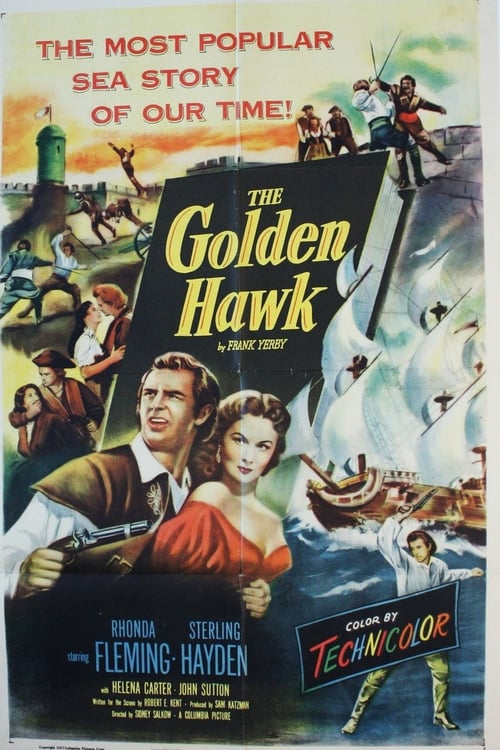
The Golden Hawk
1952
No user ratings available yet
Diversity score: 2.6 out of 10
1953
ApprovedDirector
Hugo Fregonese
Runtime
129 minutes
Average Rating
No ratings yetSynopsis
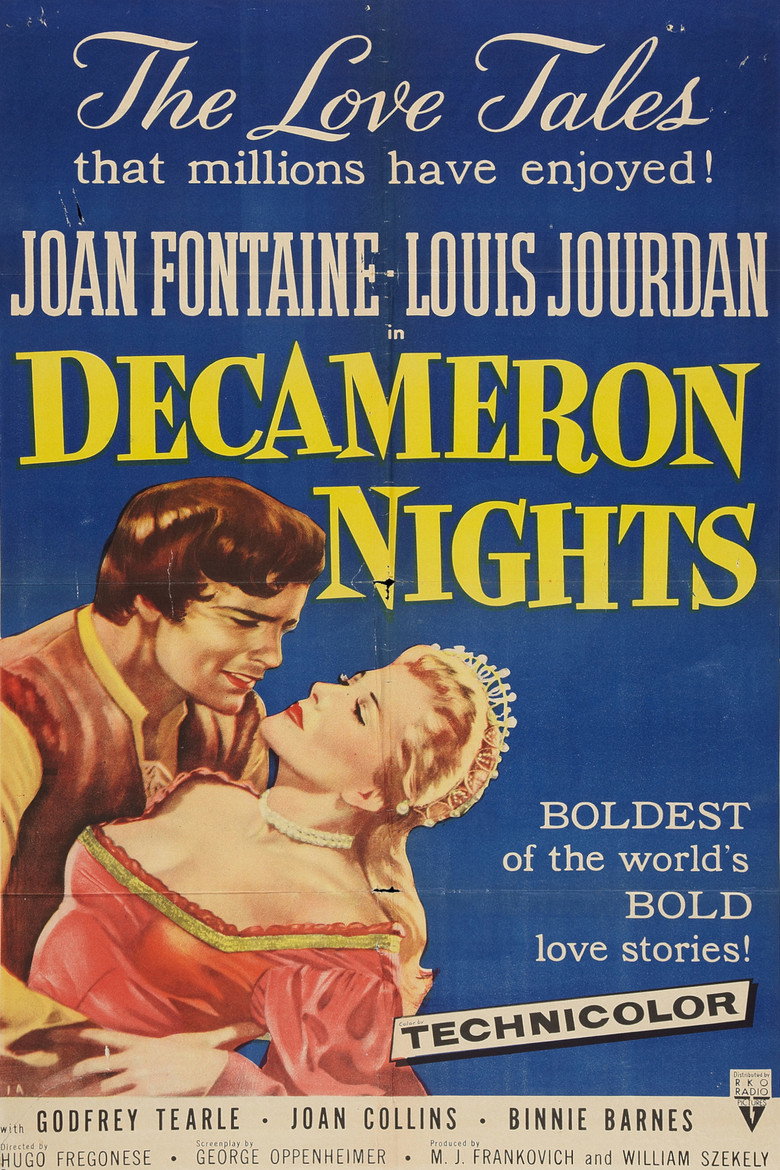
Italian poet Boccaccio (Louis Jourdan) hides in the court of Fiammetta (Joan Fontaine) and tells three tales of love and lust.
Overall Score
Limited
Category Breakdown
LGBTQ+ Representation
The film adheres strictly to 1950s heteronormative conventions. There is no presence of non-cisnormative identities or same-sex intimacy, as romantic arcs focus on traditional courtship.
Gender Representation
Women demonstrate agency through wit and intellect to navigate romantic obstacles. However, these actions occur within a patriarchal social order and focus on romantic pursuit rather than systemic change.
Racial & Ethnic Diversity
The cast is predominantly white and European, reflecting the 14th-century Italian setting. The production does not utilize race-bent casting or diverse demographic representation.
Religious & Cultural Diversity
The narrative operates within a traditional Western framework centered on the Italian Renaissance. It presents religious and social structures as foundational realities rather than subjects of critique.
Disability Representation
There is no evidence of characters with visible or invisible disabilities serving as central plot drivers or being subjected to mockery.
Strengths
Areas for Improvement
AI Analysis
Decameron Nights is a conventional period comedy that mirrors the social and demographic constraints of its era. It functions as a traditional adventure that reinforces established romantic and social structures. While the film provides some nuance through female characters who use deception and intellect to influence outcomes, it lacks intersectional complexity. The narrative does not seek to disrupt or critique the hierarchies it portrays. Ultimately, the film's reliance on a homogeneous cast and heteronormative storytelling results in a low diversity score, as it lacks the progressive elements required for a more modern representation.
1952
1949
1943
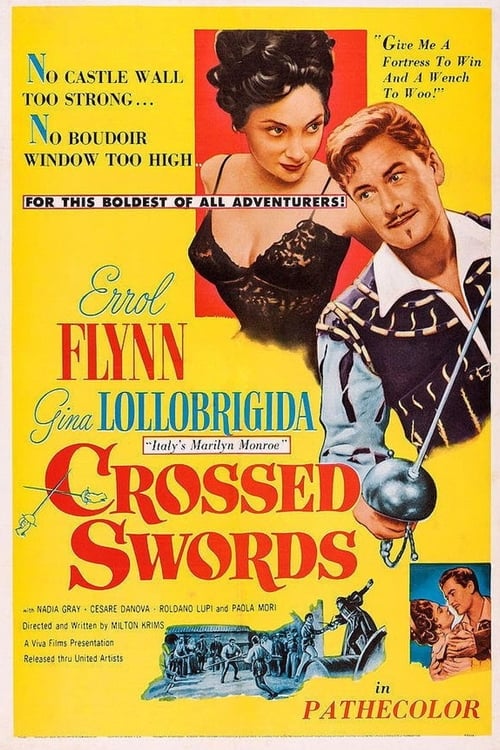
1954

1951
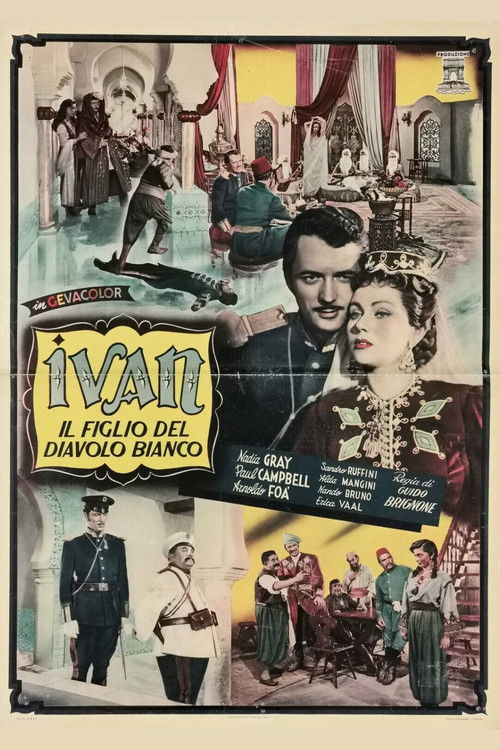
1953
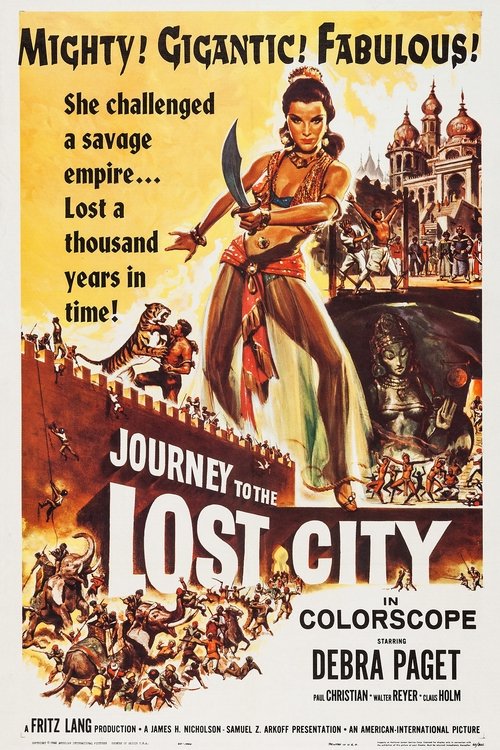
1960
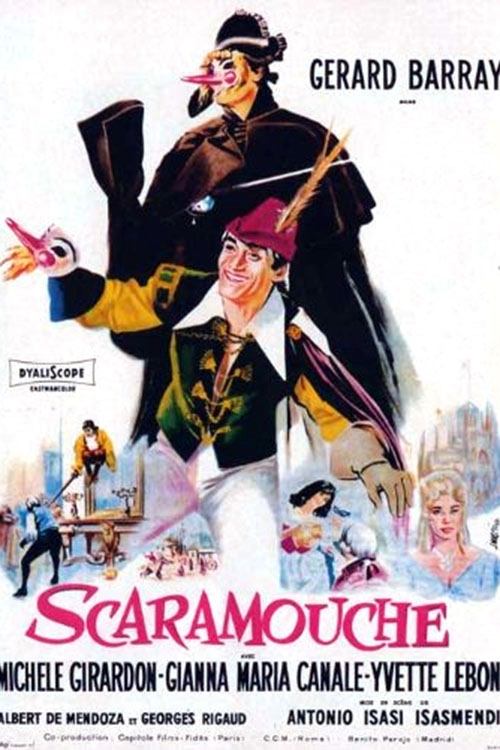
1963
1939

1953
1974
1940
No reviews yet. Be the first to share your thoughts on this movie!
Use the rating form above to leave a star rating and optional review.