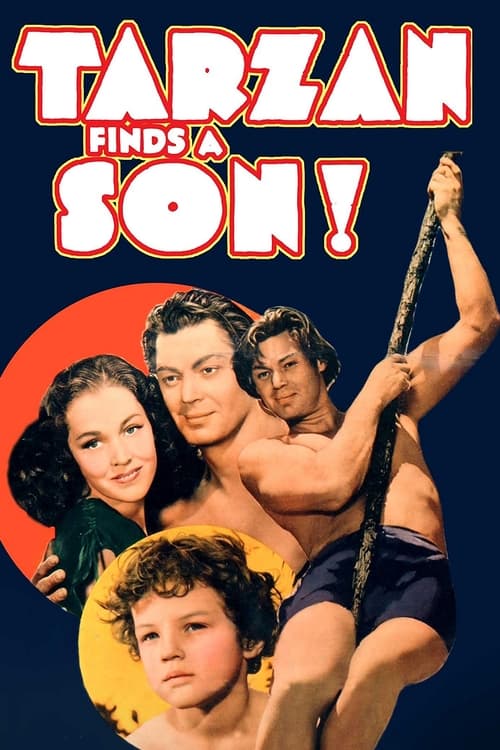
Tarzan Finds a Son!
1939
No user ratings available yet
Representation score: 0.4 out of 10
Representation Score
Minimal
1936
NRDirector
Richard Thorpe
Runtime
89 minutes
Average Rating
No ratings yetNew Showbiz Analysis
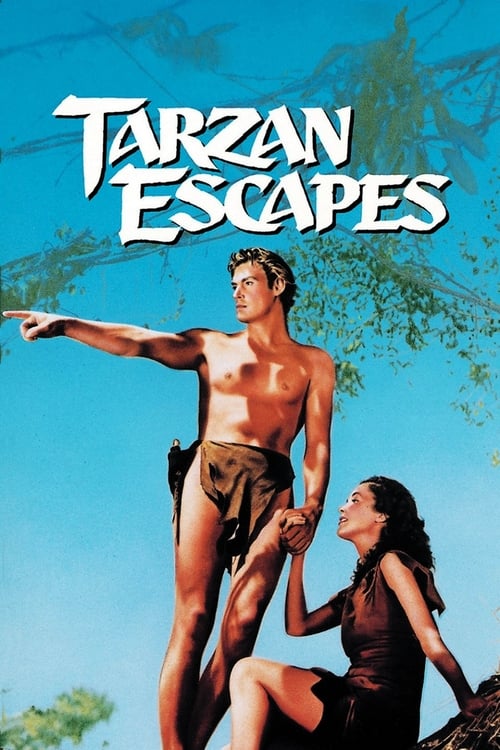
Tarzan Escapes is a typical product of 1930s adventure cinema, reinforcing existing social hierarchies. The narrative focuses on the 'White Savior' cliché and traditional gender roles, prioritizing the ability to act of the white male protagonist. The film operates through a colonialist perspective, lacking depth in addressing multiple aspects of identity. It presents a binary morality that aligns with the conservative standards of its time. Ultimately, the work upholds Western social norms and traditional archetypes without challenging them.
Category Breakdown
The film does not include any visible LGBTQ+ characters or non-straight identities. It strictly follows the social structures of the 1930s, assuming everyone is straight.
Jane serves mainly as a motivation for the male protagonist rather than an agent of her own destiny. Tarzan embodies a hyper-masculine archetype, while female characters have passive roles.
The film reflects colonialist perspectives, using indigenous African tribes as obstacles or a primitive backdrop. The racial hierarchy is rigid and favors Western supremacy.
The story promotes a traditional Western worldview, framing civilization as a standard of order against jungle chaos. It lacks any critique of Western institutions or capitalism.
There is no significant evidence regarding the portrayal of physical or neurodivergent disabilities in this production.
Present on Screen
Limited or Absent
Official Synopsis
White hunter Captain Fry tries to take Tarzan back to civilization, caged for public display. He arrives in the jungle with Jane's cousins, Eric and Rita, who want Jane's help in claiming a fortune left her.
1939

1932

1942

1934

1941

1984
1952
1960
No reviews yet. Be the first to share your thoughts on this movie!
Use the rating form above to leave a star rating and optional review.