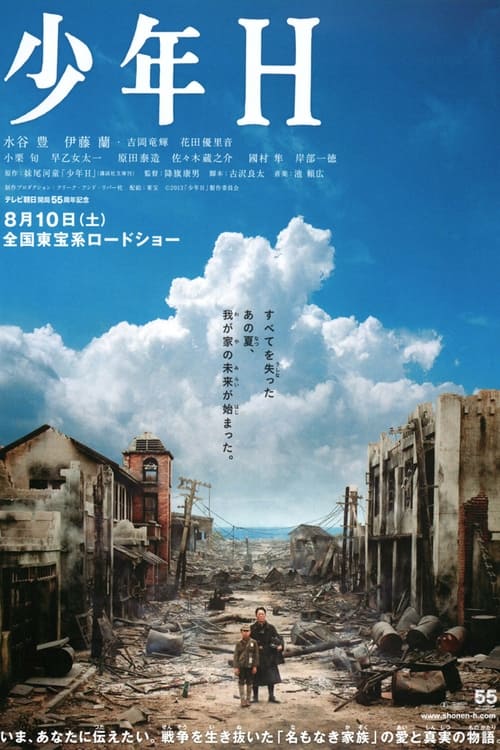
A Boy Called H
2013
No user ratings available yet
Representation score: 1.8 out of 10
Representation Score
Fair
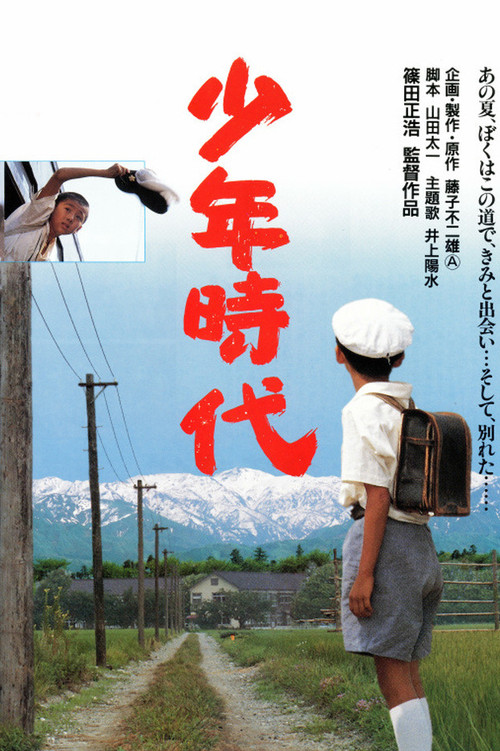
1990
Director
Masahiro Shinoda
Runtime
119 minutes
Average Rating
No ratings yetNew Showbiz Analysis
Masahiro Shinoda’s work prioritizes historical realism and period-accurate social structures over modern frameworks. The film succeeds in providing an authentic, non-Westernized view of wartime Japan, avoiding romanticized or heroic clichés. However, the narrative remains tied to the traditional hierarchies of the era. It lacks contemporary representation regarding LGBTQ+ identities and disability, as the focus remains strictly on the systemic pressures of total war. Ultimately, the film is a critical examination of how social collapse affects individual development, even if it does not engage with modern progressive diversity standards.
Category Breakdown
The film focuses on wartime socio-political realities and childhood psychology. There is no depiction of LGBTQ+ identities or same-sex intimacy, reflecting the historical period's social constraints.
Women are shown managing domestic spheres and the burdens of scarcity. However, the narrative largely mirrors traditional hierarchies and lacks significant challenges to masculine leadership or gender binaries.
The film maintains high ethnographic authenticity with a predominantly Japanese cast. It provides a localized, non-Western perspective on global conflict, resisting typical Hollywoodized depictions of the Pacific Theater.
The story explores survivalist ethics and the breakdown of social order under wartime pressure. It avoids glorifying patriotism, focusing instead on the harsh realities of life under a collapsing regime.
There is no prominent depiction of neurodivergence or physical disability. Character struggles are defined by socioeconomic hardship and the psychological toll of war rather than disability-related issues.
Present on Screen
Limited or Absent
Official Synopsis
A city boy, Shinji, is sent to live in the countryside to escape the Tokyo bombings, where he experiences the complexities of rural school life, including a power struggle with the local class leader, Takeshi.
2013
1932
1954
1959
1946
2017
1948
1956
No reviews yet. Be the first to share your thoughts on this movie!
Use the rating form above to leave a star rating and optional review.