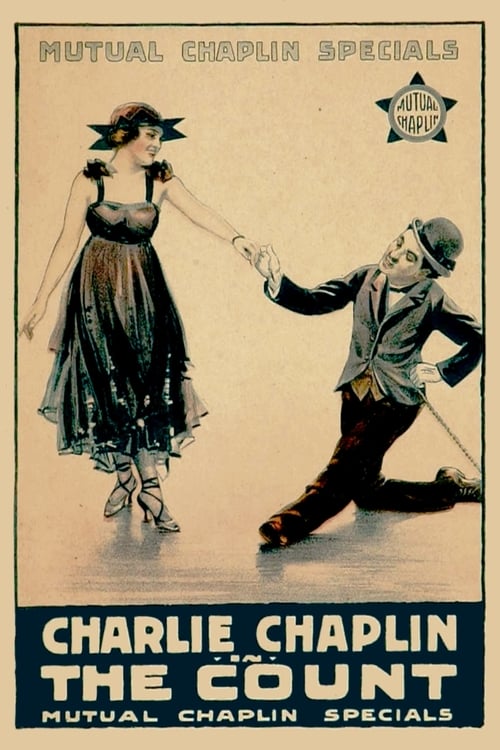
The Count
1916
No user ratings available yet
Representation score: 1.7 out of 10
Representation Score
Limited
1921
TV-GDirector
Charlie Chaplin
Runtime
32 minutes
Average Rating
No ratings yetNew Showbiz Analysis
The film reflects the social constraints of its time, featuring a homogeneous cast and lacking diverse representation. It does not include LGBTQ+ identities or significant racial diversity, adhering to the social norms of the early 1920s. However, the film subtly critiques social stratification. By using the Tramp archetype to disrupt high-society environments, Chaplin challenges the moral superiority and rigidity of established class hierarchies.
Category Breakdown
The film does not feature any LGBTQ+ characters or non-cisgender identities. Social dynamics revolve around traditional romantic and class-based themes.
The story focuses on the male protagonist's physical actions. Although the female lead's unhappiness suggests a critique of restrictive domestic life, she remains a catalyst rather than an independent driver.
The cast is predominantly white, reflecting the social norms of 1921. There are no non-white characters in significant roles.
The film critiques rigid economic structures by highlighting the absurdity of the upper class. It prioritizes the perspective of outsiders to challenge the stability of Western class institutions.
Physical clumsiness serves as a comedic device rather than a nuanced portrayal of disability. Characters with disabilities are portrayed solely for comedic effect.
Present on Screen
Limited or Absent
Official Synopsis
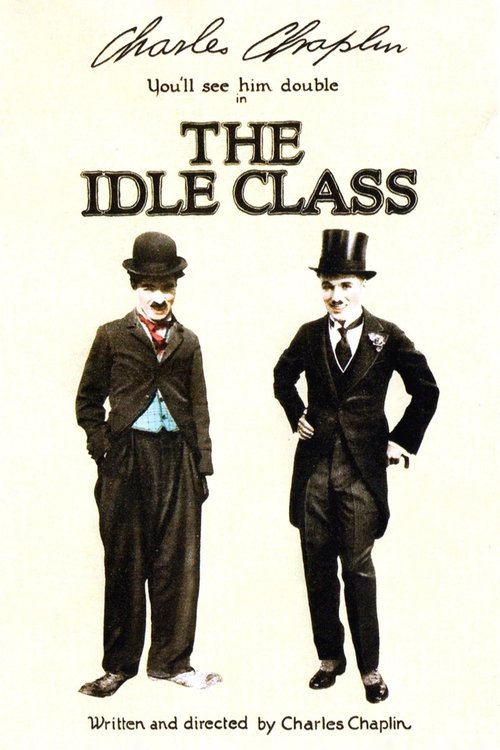
At an upper class golf resort, a tramp discovers he's the lookalike of a rich man with a beautiful, unhappy wife.
1916
1926

1915

1923
1914
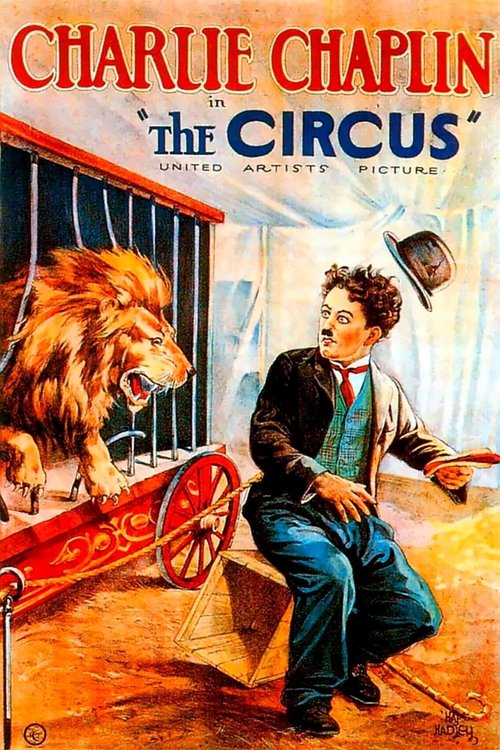
1928
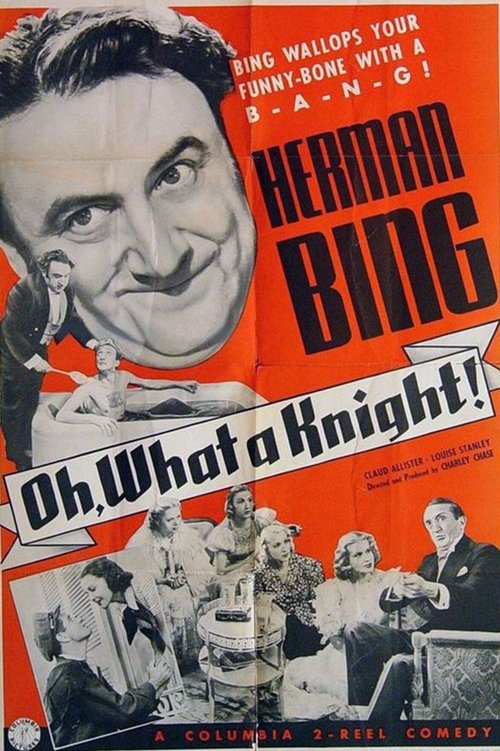
1937
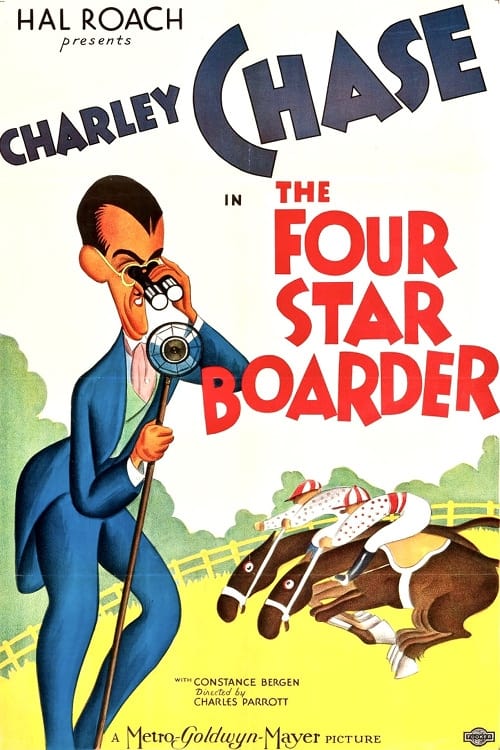
1935
No reviews yet. Be the first to share your thoughts on this movie!
Use the rating form above to leave a star rating and optional review.