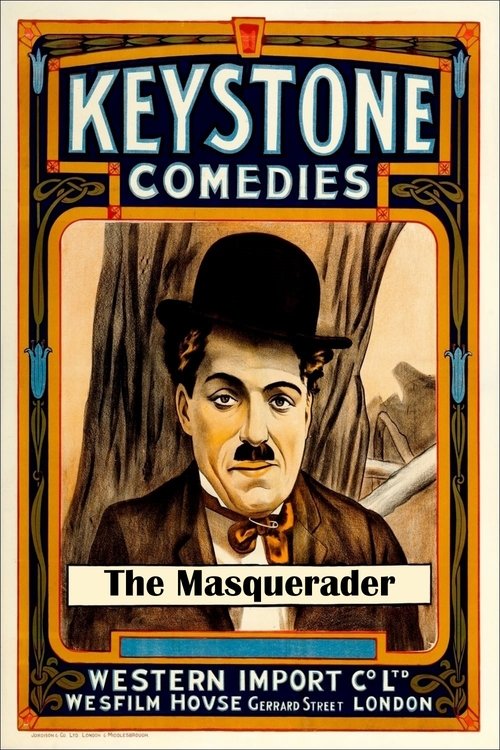
The Masquerader
1914
No user ratings available yet
Representation score: 2.6 out of 10
Representation Score
Minimal
1916
UnratedDirector
Charlie Chaplin
Runtime
24 minutes
Average Rating
No ratings yetNew Showbiz Analysis
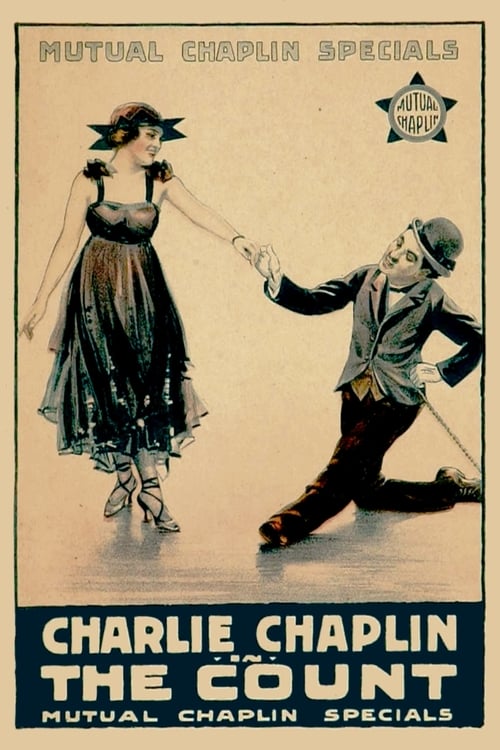
The Count primarily explores class conflict rather than identity-driven representation. Its narrative strength lies in using slapstick comedy to highlight the instability of social status and the absurdity of elite etiquette. However, the film lacks diversity in terms of race, gender, and LGBTQ+ identities. It adheres to the demographic and social norms of the silent era, offering little in the way of varied representation. Ultimately, while the film offers a subtle critique of class hierarchies, it remains a product of its time, prioritizing social satire over a diverse cast of characters.
Category Breakdown
The film does not include any LGBTQ+ characters or stories. Romantic elements are confined to traditional courtship scenarios typical of early 20th-century films.
Female characters mainly serve as catalysts for the main character rather than having significant influence. Gender roles adhere to traditional 1910s comedic stereotypes without challenging established hierarchies.
The production mirrors the demographic uniformity of early Hollywood. The cast and setting reflect a localized, Western-focused social structure without intentional racial integration.
The narrative humorously deconstructs Western aristocratic institutions. It critiques the performative nature of class-based authority through a working-class protagonist masquerading as nobility.
There are no depictions of physical or neurodivergent characters. Disability is not used as a narrative device within the film.
Present on Screen
Limited or Absent
Official Synopsis
A tailor's apprentice burns Count Broko's clothes while ironing them and the tailor fires him. Later, the tailor discovers a note explaining that the count cannot attend a dance party, so he dresses as such to take his place; but the apprentice has also gone to the mansion where the party is celebrated and bumps into the tailor in disguise…
1914
1926

1915

1923
1915
1914
1921
1921
No reviews yet. Be the first to share your thoughts on this movie!
Use the rating form above to leave a star rating and optional review.