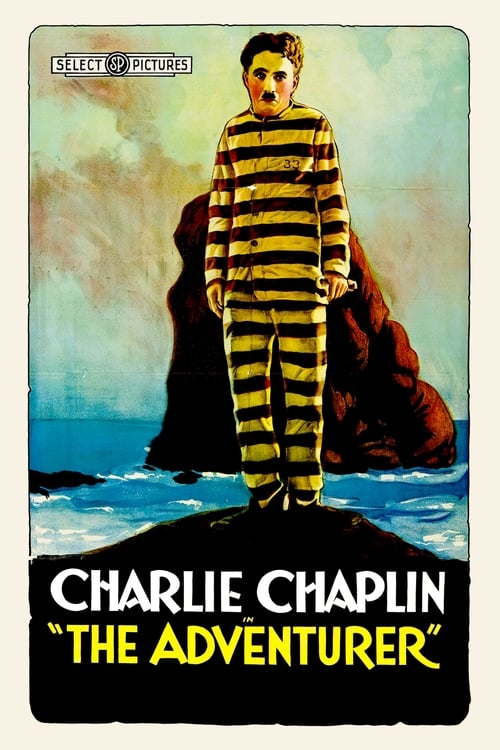
The Adventurer
1917
No user ratings available yet
Representation score: 2.2 out of 10

Representation Score
Limited
1926
Director
Yakov Protazanov
Runtime
66 minutes
Average Rating
No ratings yetNew Showbiz Analysis
The Three Million Trial is a satirical look at the friction between capital and community. It uses the absurdity of the judicial process to deconstruct the perceived stability of the old world social order. While the film provides a sharp critique of Western institutional morality, it lacks multi-layered depth. The narrative structure prioritizes systemic class critique over individual representation regarding race, gender, or sexual orientation. Ultimately, the film functions as a tool for social critique, though its focus remains narrow, centering on the breakdown of judicial order rather than diverse human identities.
Category Breakdown
The film does not include any documented LGBTQ+ characters or narratives. The story focuses solely on socioeconomic and judicial satire, leaving no room for non-cisgender identities.
Gender hierarchies are shown through the lens of class struggle rather than individual empowerment. There is little evidence of women driving the plot or challenging traditional masculinity.
The narrative centers on a localized conflict between a banker and a religious community. There is no evidence of a non-white or non-Anglo-Saxon majority cast.
The film excels in its critique of traditional Western institutions. It portrays the legal system as an absurd, dysfunctional mechanism of capitalist society.
There is no verifiable evidence that disability serves as a central narrative element or character arc in this film.
Present on Screen
Limited or Absent
Official Synopsis
History of theft and double crossing when two thieves fall out over the theft of the money of the proceeds of the sale of a house by a banker to a religious community.
1917
1971

1926

1966
1978
1932
1964
1951
No reviews yet. Be the first to share your thoughts on this movie!
Use the rating form above to leave a star rating and optional review.