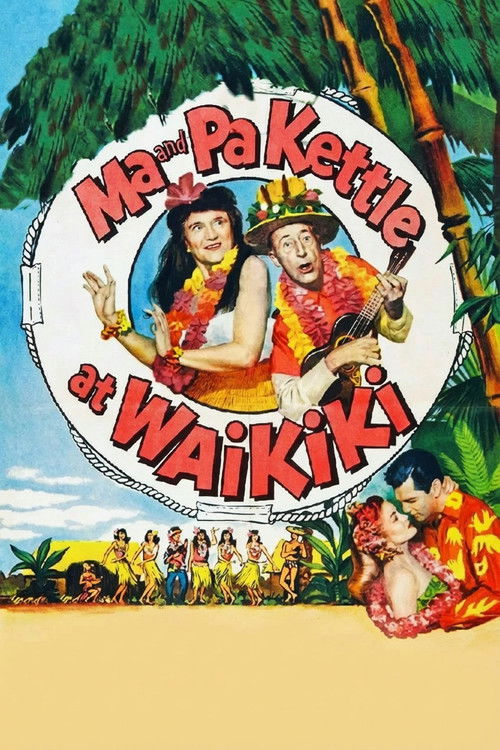
Ma and Pa Kettle at Waikiki
1955
No user ratings available yet
Representation score: 1.7 out of 10
Representation Score
Limited
1952
Director
Jean Yarbrough
Runtime
76 minutes
Average Rating
No ratings yetNew Showbiz Analysis
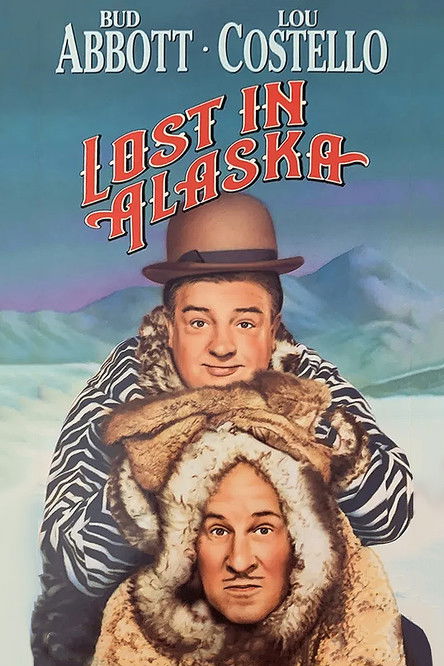
Lost in Alaska is a classic product of the 1950s studio system, emphasizing genre-driven comedy and adventure over social exploration. The narrative structure relies on traditional themes, focusing on male survival and competence in a wilderness setting. Representation is limited by the era's demographic uniformity. The film lacks meaningful inclusion of diverse racial, ethnic, or LGBTQ+ identities, sticking to a conventional social framework. While the plot includes a psychological crisis through a suicide attempt, it fails to provide a substantive look at disability or neurodivergence, using such moments solely to advance the plot.
Category Breakdown
The film follows the heterosexual norms of 1950s cinema. There are no non-binary or LGBTQ+ identities or relationships shown.
The story focuses on male characters facing challenges in a harsh environment. This emphasis reinforces traditional gender roles and highlights masculine strength over female influence.
The movie reflects the predominantly white demographics of mid-century B-movies. The cast and setting lack racial or ethnic diversity.
The storyline adheres to traditional Western values. It upholds the moral and social norms of its time without questioning these conventions.
A character's suicide attempt drives the plot. However, the film does not explore disability or neurodivergence in depth.
Present on Screen
Limited or Absent
Official Synopsis
After two volunteer firemen rescue a gold prospector from suicide, they discover that the police mistakenly want them for murder.
1955

1953
1950
1960
1952
1925

1939

1947
No reviews yet. Be the first to share your thoughts on this movie!
Use the rating form above to leave a star rating and optional review.