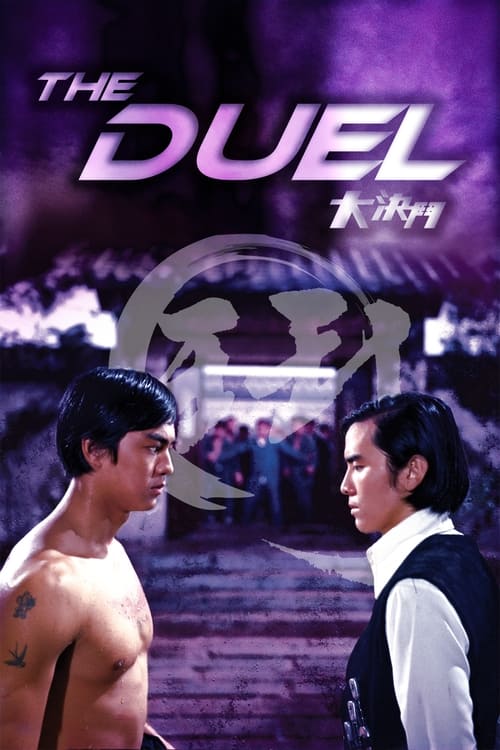
The Duel
1971
No user ratings available yet
Representation score: 1.9 out of 10
Representation Score
Fair
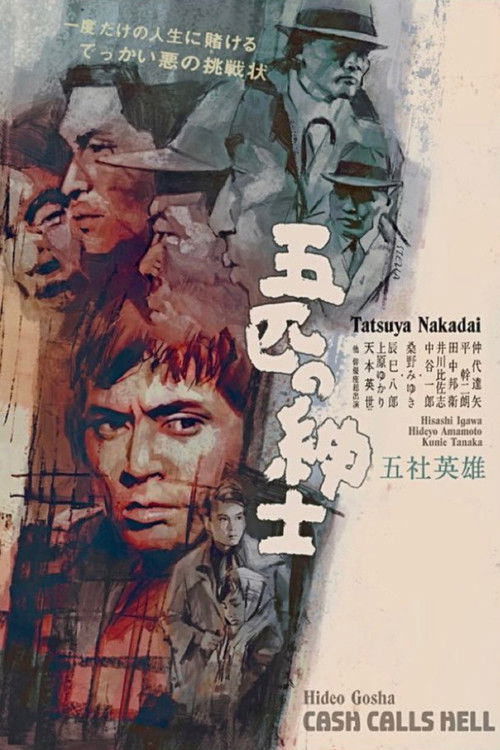
1966
Director
Hideo Gosha
Runtime
92 minutes
Average Rating
No ratings yetNew Showbiz Analysis
Cash Calls Hell is a character study centered on moral friction and individual ability to act. The film follows Oida as he tries to break a predetermined cycle of violence, prioritizing personal ethics over a corrupt systemic mandate. While the film lacks modern multi-layered breadth, it offers a sophisticated look at how an individual can challenge established social contracts. The narrative structure favors character-driven morality over institutional dogma. However, the film remains largely traditional in its demographic scope, adhering to gender-binary and ethnically homogenous standards typical of 1960s Japanese crime cinema.
Category Breakdown
The film centers on a crime-driven plot involving assassinations and financial deals. It does not include any characters with non-conforming gender identities or same-sex relationships.
The story revolves around Oida, a male protagonist navigating a male-dominated criminal underworld. The central conflict is framed through a masculine lens of crime and revenge.
As a 1966 Japanese production, the film features a predominantly Japanese cast and setting. It reflects the domestic focus of its time rather than multi-ethnic ensembles.
The narrative explores moral relativism by pitting a protagonist against a lethal, systemic assassination plot. It critiques institutional corruption and absolute social order.
The plot summary does not mention any characters with visible or invisible disabilities. Representation in this area is not documented within the core story.
Present on Screen
Limited or Absent
Official Synopsis
Before leaving prison, Oida uncomfortably enters into an agreement with his cell mate: in exchange for a half-share of 30,000,000 yen, he is to assassinate three strangers given to him on a list. However, upon meeting his first potential victim, Oida has second thoughts. Yet, even as he tries to back out, the body count starts climbing. Oida must now try to alert the people on his list of their impending danger, and find out why they are being targeted in the first place.
1971

1967
1957

1966

1966

1968
1974
1973
No reviews yet. Be the first to share your thoughts on this movie!
Use the rating form above to leave a star rating and optional review.