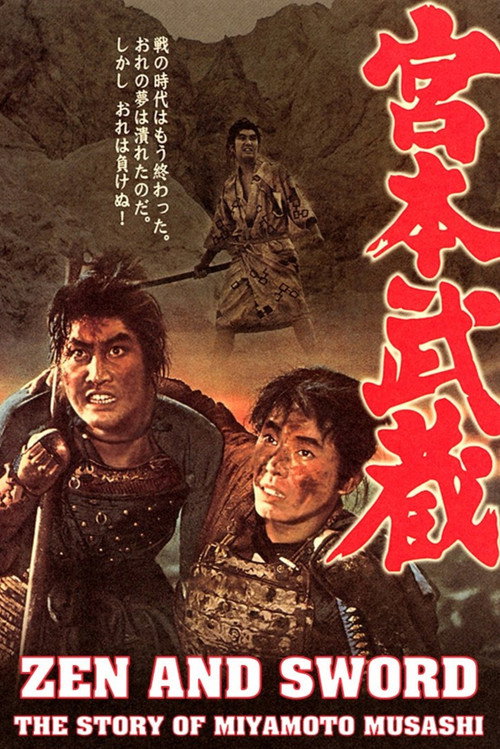
Miyamoto Musashi
1961
No user ratings available yet
Representation score: 4.0 out of 10
Representation Score
Limited
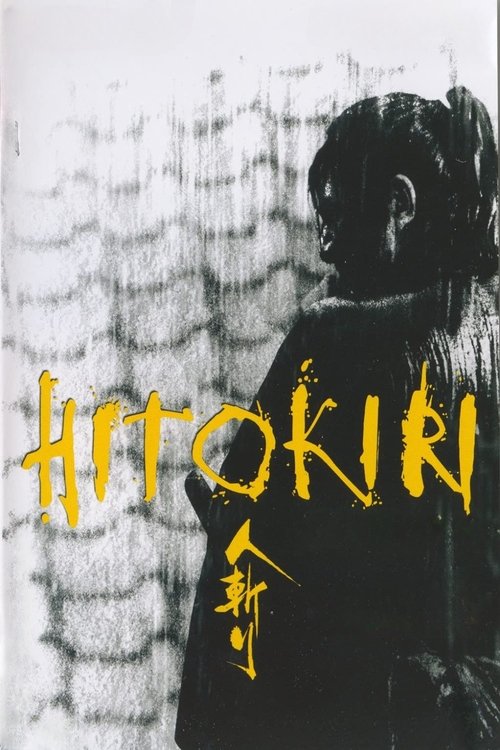
1969
Director
Hideo Gosha
Runtime
140 minutes
Average Rating
No ratings yetNew Showbiz Analysis
Hideo Gosha’s *Tenchu!* is a gritty critique of the *chanbara* genre that prioritizes realistic depictions over idealized heroism. While it effectively highlights the corruption and predatory nature of feudal institutions, the film remains firmly grounded in the cinematic conventions of its era. The narrative structure relies heavily on traditional masculine archetypes and homogeneous social structures. By emphasizing the ronin's struggle and the harsh realities of social hierarchy, the film leaves little room for diverse representation or perspectives that reflect multiple aspects of identity. Ultimately, *Tenchu!* offers a subversive take on samurai clichés but does not prioritize social or demographic diversity.
Category Breakdown
The film adheres to the social norms of 1960s society and does not include any LGBTQ+ characters or stories that question the assumption that everyone is straight or cisgender.
The story revolves around traditional male roles and male-driven conflict. It highlights power struggles between men and within patriarchal structures, without challenging the typical gender hierarchies.
Set in feudal Japan, the film features an ethnically uniform cast reflecting the demographics of the time. Race-bent casting is not used.
The storyline critiques the rigid class system and predatory clan leadership through the perspective of a ronin. It focuses on survival within a hierarchical system rather than specific religious or cultural ideologies.
The film does not feature characters with disabilities who have significant roles in driving the story. Physical injuries are used as plot devices rather than exploring the experiences of those with disabilities.
Present on Screen
Limited or Absent
Official Synopsis
A ronin desperately seeks a way out of financial straits; he allies with the Tosa clan under the ruthless leader Takechi, who quickly takes advantage.
1961

1964

1973
1967
2014
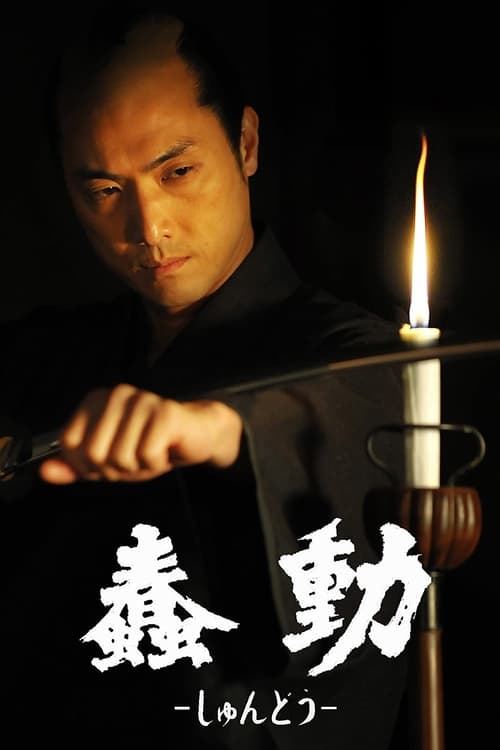
2013
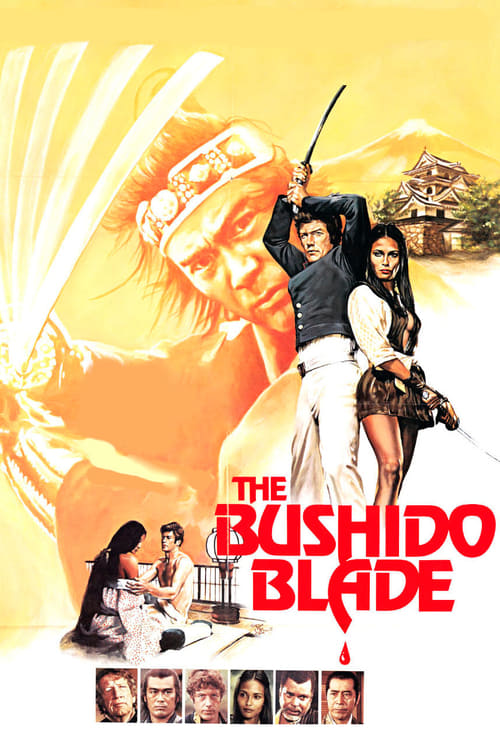
1981
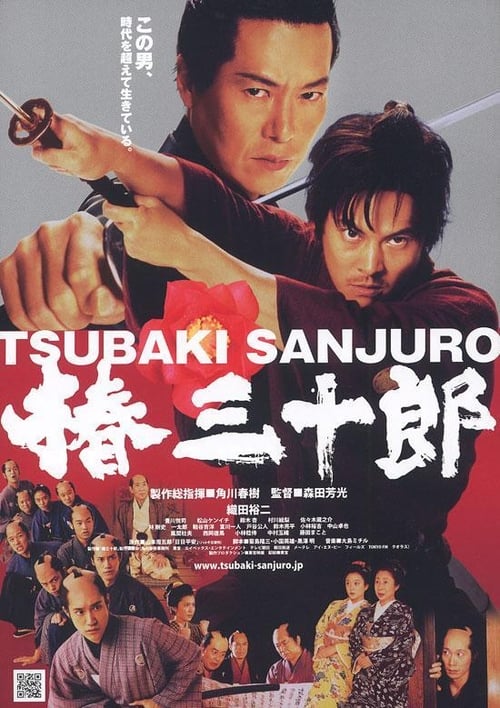
2007
No reviews yet. Be the first to share your thoughts on this movie!
Use the rating form above to leave a star rating and optional review.