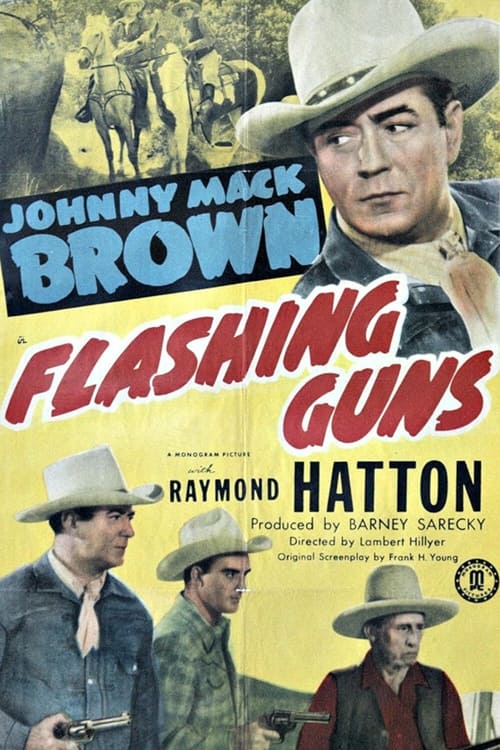
Flashing Guns
1947
No user ratings available yet
Representation score: 1.1 out of 10
Representation Score
Minimal
1948
ApprovedDirector
Christy Cabanne
Runtime
57 minutes
Average Rating
No ratings yetNew Showbiz Analysis
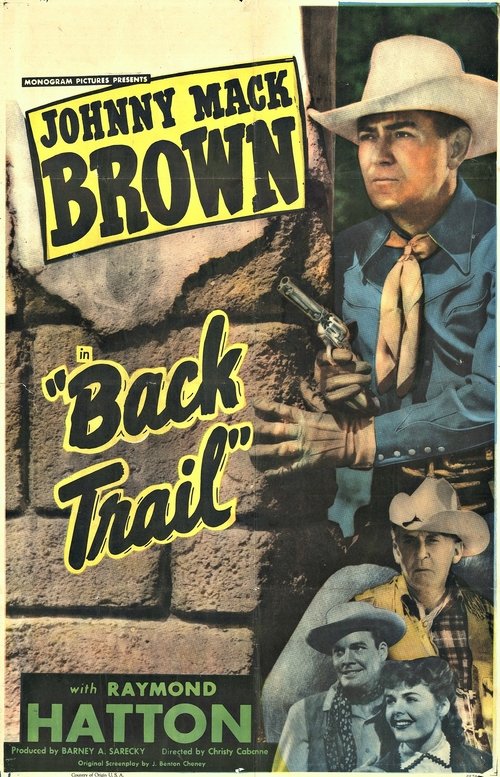
Back Trail is a conventional Western that reinforces mid-century clichés. The story centers on the classic conflict between law and outlaw criminality within a traditionalist framework. Since the plot revolves around protecting established social institutions and economic stability, it lacks multi-layered complexity. The narrative structure prioritizes traditional hierarchies over any social critique. Ultimately, the film operates as a standard Monogram Western, offering little in the way of diverse representation or narrative subversion.
Category Breakdown
The film does not include any LGBTQ+ characters or non-cisgender identities, sticking to the traditional heterosexual norms of the time.
The story focuses on male characters, particularly the outlaw leader and the main character. Emotional vulnerability is shown by the banker, but the ability to act and control remain with the male characters.
The film seems to center on a traditional Western social hierarchy, likely following the era's standard casting practices with a predominantly white cast.
The plot emphasizes traditional Western values and economic stability. The moral framework centers on restoring order and protecting established social structures from criminals.
There is no mention of characters with visible or invisible disabilities. The narrative does not indicate any neurodivergence or physical impairments.
Present on Screen
Limited or Absent
Official Synopsis
Back Trail is one of the livelier entries in Monogram's Johnny Mack Brown western series. Brown rides into a small town where he becomes embroiled in a blackmail scheme. The town's banker (Ted Adams), a pillar of respectability, once served a jail term. Outlaw leader Pierce Lyden threatens to reveal Adams' secret if the banker doesn't let him know in advance when the gold shipments are going through. Adams tearfully tells Brown the whole story, whereupon Johnny rides shotgun on the next shipment himself. Back Trail was one of the last films directed by workhorse Christy Cabanne, whose career stretched all the way back to the D.W. Griffith days.
1947
1958
1947
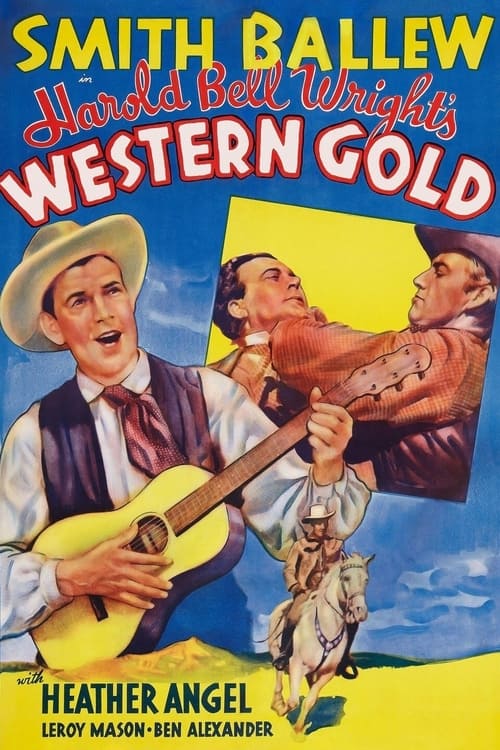
1937
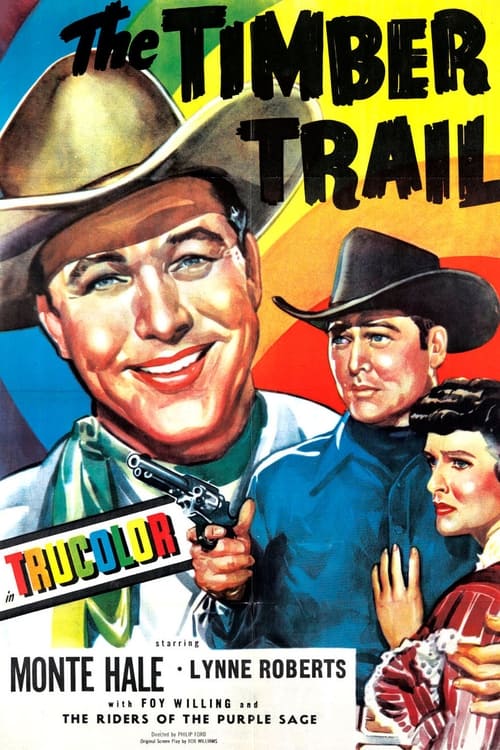
1948
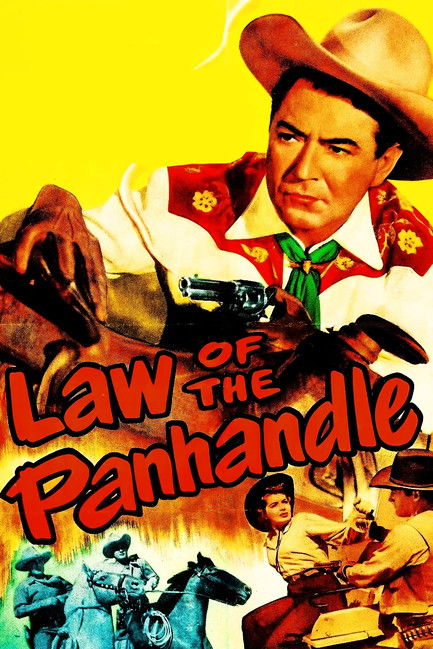
1950
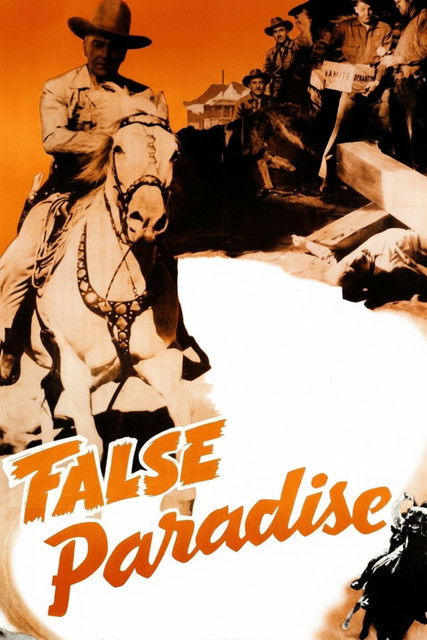
1948
1948
No reviews yet. Be the first to share your thoughts on this movie!
Use the rating form above to leave a star rating and optional review.