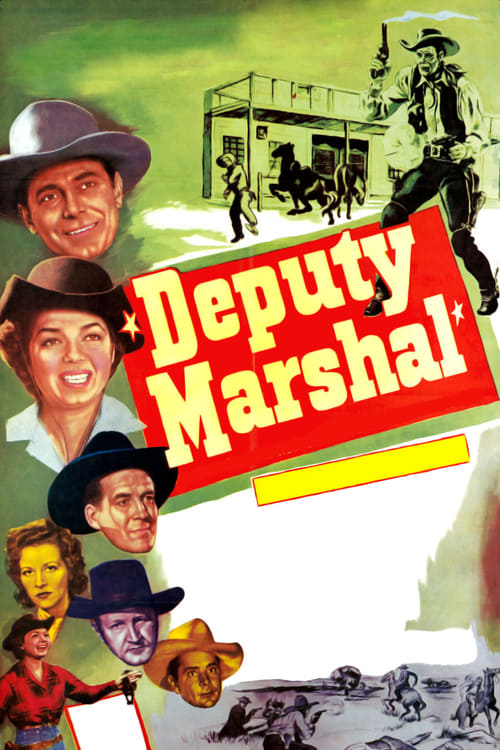
Deputy Marshal
1949
No user ratings available yet
Representation score: 1.2 out of 10
Representation Score
Minimal
1950
PassedDirector
William Berke
Runtime
56 minutes
Average Rating
No ratings yetNew Showbiz Analysis
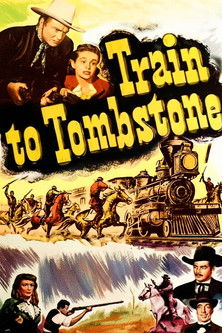
Train to Tombstone is a typical mid-century B-movie Western that prioritizes straightforward storytelling over complex narratives. The plot centers on a passenger attempting to rob a train of $250,000, a premise rooted in traditional genre clichés. Produced in 1950, the film adheres to the era's conventional cinematic standards. It does not intentionally address diverse identities or challenge social norms, instead reinforcing the period's status quo. Ultimately, the film serves as a typical genre piece of its time. It offers limited diverse representation, focusing instead on the classic conflict between law, order, and criminality.
Category Breakdown
The film does not include any LGBTQ+ characters or narratives that challenge traditional heterosexual relationships. It follows the conventions of 1950s Western cinema.
The story revolves around a high-stakes robbery, a cliché typically dominated by male protagonists. Female characters likely play passive roles rather than driving the plot.
The film probably reflects the era's tendency towards homogeneous casting. It emphasizes the American frontier from an Anglo-Saxon perspective.
The story operates within traditional Western clichés of crime and pursuit. It upholds established social orders without offering critical insights.
There is no evidence of characters with physical or neurodivergent disabilities in the film.
Present on Screen
Limited or Absent
Official Synopsis
One of the passengers on a train to Tombstone decides to rob it of the $250,000 it is carrying.
1949
1969
1956
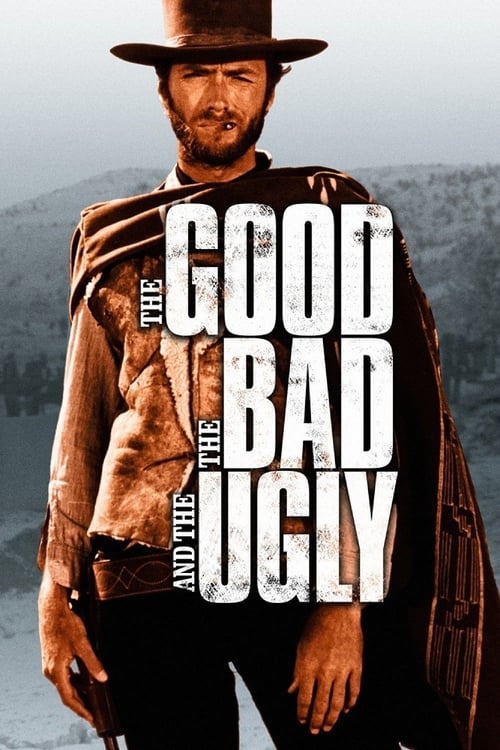
1966
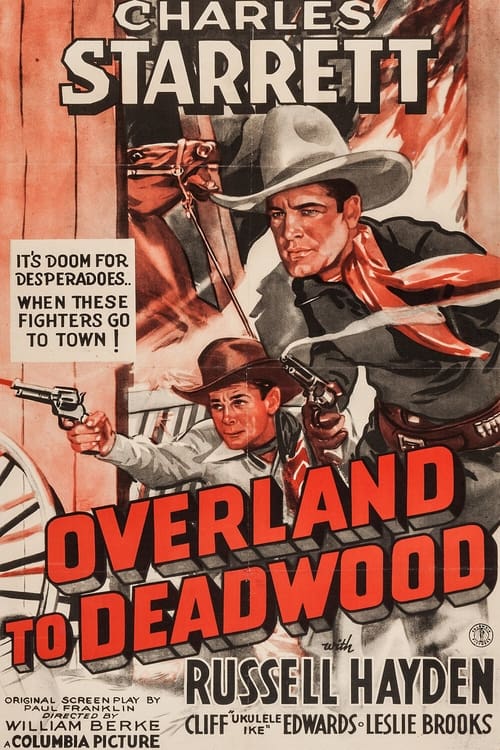
1942
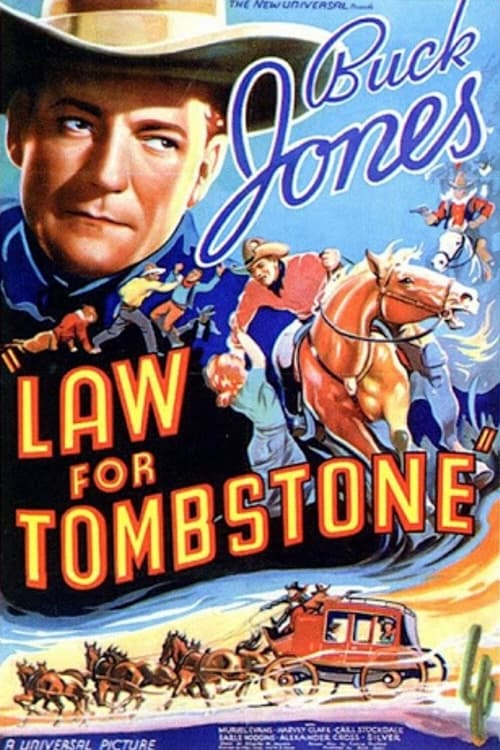
1937
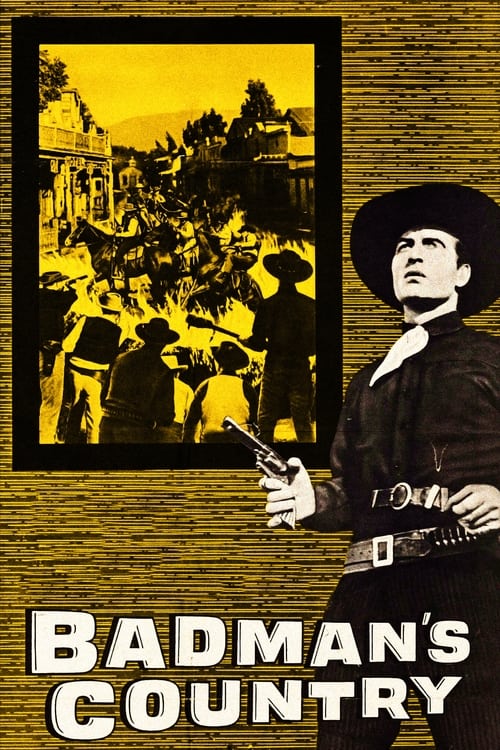
1958
1953
No reviews yet. Be the first to share your thoughts on this movie!
Use the rating form above to leave a star rating and optional review.