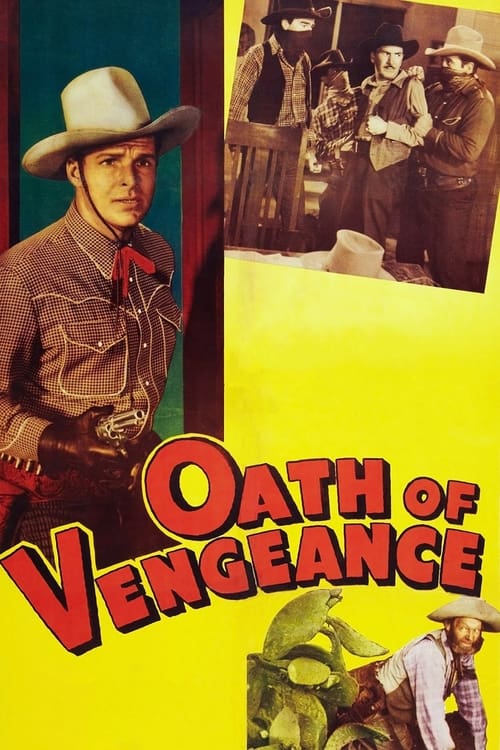
Oath of Vengeance
1944
No user ratings available yet
Representation score: 1.5 out of 10
Representation Score
Minimal
1948
ApprovedDirector
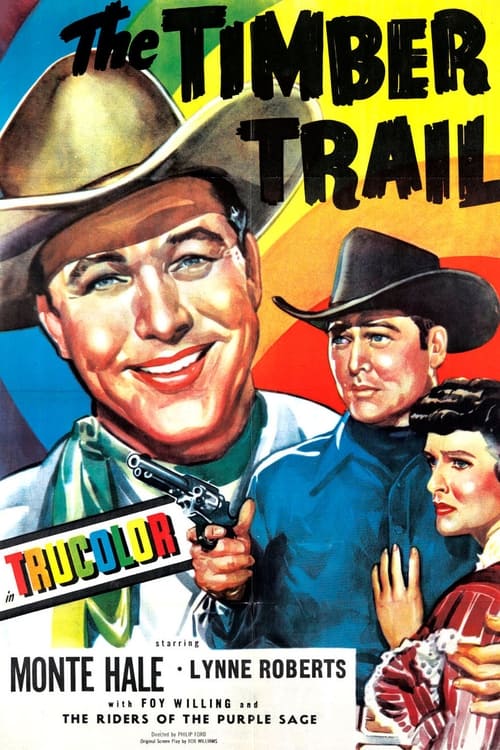
Philip Ford
Runtime
67 minutes
Average Rating
No ratings yetNew Showbiz Analysis
The Timber Trail is a conventional 1940s Western that prioritizes genre-specific clichés over social subversion. The narrative structure centers on masculine camaraderie and the restoration of order through individual heroism. Representation is highly limited, focusing almost exclusively on male-driven conflict and professional competition. The plot follows a standard trajectory of resolving misunderstandings between men and defeating a singular antagonist. Ultimately, the film operates within the standard cinematic frameworks of its era. It does not attempt to disrupt established social hierarchies or provide multi-layered perspectives, instead favoring traditional themes of justice and industry.
Category Breakdown
The film does not depict any non-straight relationships or same-sex intimacy. It focuses solely on traditional masculine dynamics such as rivalry and cooperation.
The story revolves around male characters and their professional conflicts. There is no evidence of women playing a significant role or challenging traditional gender hierarchies.
The story focuses on the interpersonal conflicts of white protagonists and antagonists. It adheres to the homogeneous Western stereotypes typical of the 1948 era.
The plot reinforces traditional Western values concerning law and order. It emphasizes the protection of industry and the restoration of social stability.
There is no mention of characters dealing with physical, sensory, or neurodivergent conditions. The plot summary contains no representation of disability.
Present on Screen
Limited or Absent
Official Synopsis
Monte Hale is a stagecoach driver for Jed Baker's stage-line. Jed believes his brother, Ralph, is behind the many hold-ups of his stagecoaches but has no proof. Ralph, in turn, blames Jed for the attacks on the linemen of his pioneer telegraph company. Big Bart, a ruthless gunman and outlaw-gang leader working for crooked banker Jordan Weatherbee, is actually behind the troubles of both companies. Bart plans to frame Jed for a double-murder and then kill him. Monte saves his life and, together, they devise a plan of their own to bring an end to the reign of lawlessness along the timber trail.
1944
1937
1949
1948

1949
1942
1948
1950
No reviews yet. Be the first to share your thoughts on this movie!
Use the rating form above to leave a star rating and optional review.