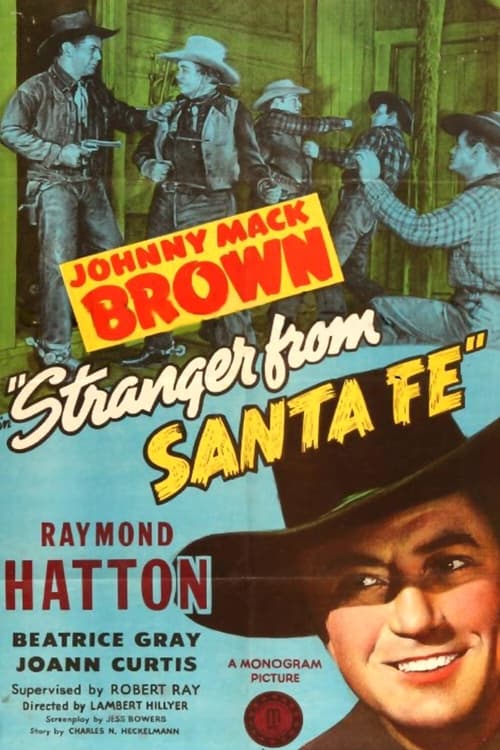
Stranger from Santa Fe
1945
No user ratings available yet
Representation score: 0.5 out of 10
Representation Score
Minimal
1945
ApprovedDirector
Lambert Hillyer
Runtime
53 minutes
Average Rating
No ratings yetNew Showbiz Analysis
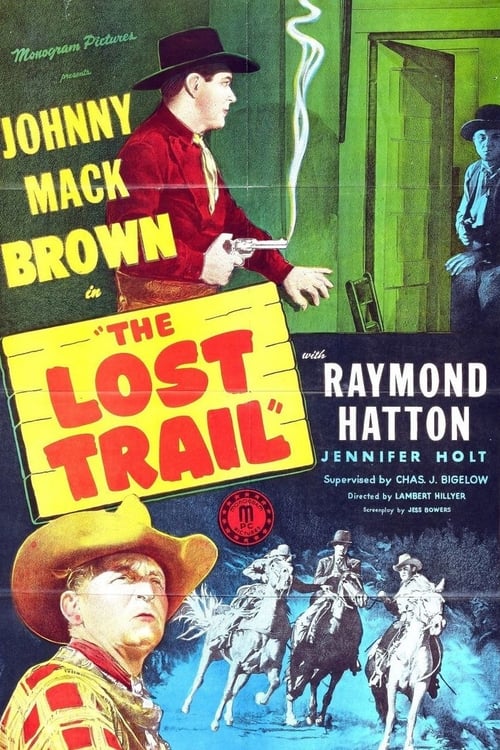
The Lost Trail is a classic example of 1945 Western cinema, emphasizing the stability of traditional social and gender hierarchies. The film reinforces conservative mid-century norms without challenging them. Narratively, it centers on masculine leadership and the protection of commerce. It focuses on a singular moral framework of frontier justice and property ownership, reinforcing the status quo of its time.
Category Breakdown
The film follows traditional mid-century norms where everyone is assumed to be straight and cisgender. There is no depiction of same-sex relationships or non-binary gender identities.
Gender roles in the film follow traditional Western hierarchies. Jane Burns, who runs a stagecoach line, is primarily shown as needing protection from the male lead.
The film features a cast that is predominantly white and Anglo-centric. It does not include diverse ethnic perspectives or stories from different cultural backgrounds.
The story upholds traditional Western values and property rights. It celebrates the expansion of civilization without questioning the broader societal impacts.
The film includes only able-bodied characters. There is no representation of individuals with visible or invisible disabilities.
Present on Screen
Limited or Absent
Official Synopsis
Having briefly abandoned his standard "Nevada Jack McKenzie" characterization in Flame of the West, cowboy star Johnny Mack Brown was back as Nevada Jack in Monogram's The Lost Trail. Vowing to bring in a gang of stagecoach outlaws, Nevada redoubles his efforts when he learns that the owner of the stagecoach line is pretty Jane Burns (Jennifer Holt).
1945
1944
1948
1947
1946
1946
1948
1945
No reviews yet. Be the first to share your thoughts on this movie!
Use the rating form above to leave a star rating and optional review.