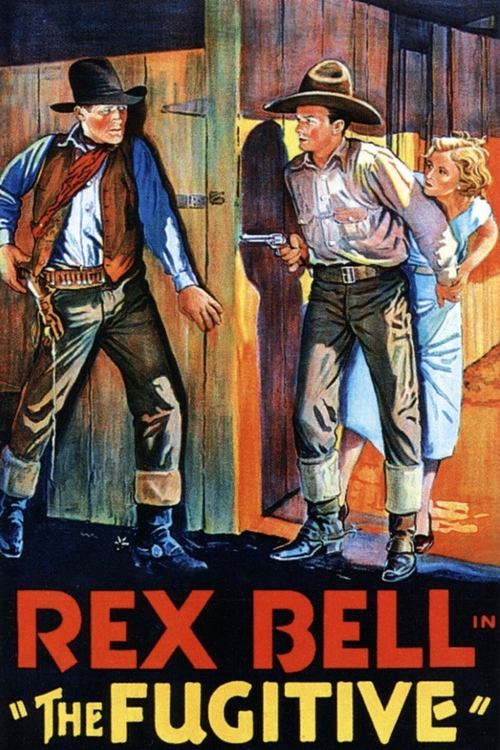
The Fugitive
1933
No user ratings available yet
Representation score: 1.0 out of 10
Representation Score
Minimal
1935
ApprovedDirector
Robert N. Bradbury
Runtime
59 minutes
Average Rating
No ratings yetNew Showbiz Analysis
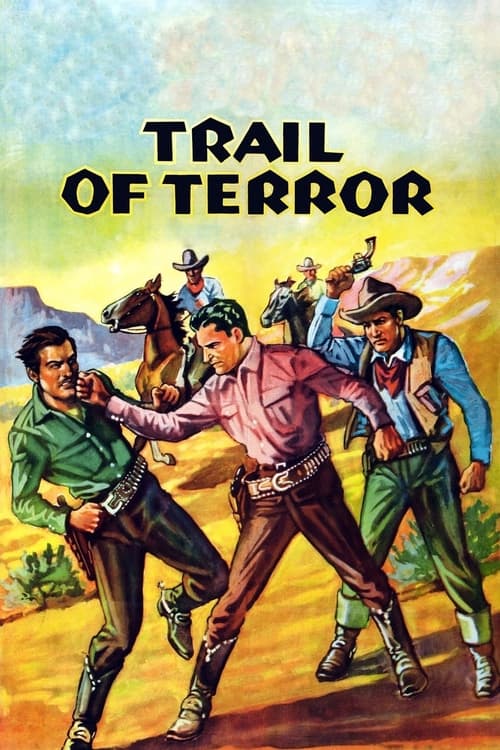
Trail of Terror is a product of the 1930s B-movie Western tradition, emphasizing straightforward narratives of frontier justice and rugged individualism. The film operates within a very traditional framework, highlighting masculine leadership and established social hierarchies. The storyline centers on a prison break and the pursuit of stolen money involving an outlaw gang. This setup emphasizes traditional genre clichés rather than any attempt at social or multi-layered complexity. Overall, the film captures the essence of its time, adhering to the period’s standard casting and character archetypes without challenging established cultural norms.
Category Breakdown
The film does not include any LGBTQ+ characters or stories that challenge traditional gender and sexual orientation norms. It sticks closely to the typical gender and orientation roles found in 1930s cinema.
The story revolves around a male-dominated outlaw gang focused on pursuing wealth. It upholds traditional ideas of masculine leadership and physical strength that are characteristic of the genre.
The story likely centers on Anglo-Saxon characters, reflecting the standard casting practices and racial norms of the mid-1930s Western genre.
The plot follows traditional Western themes of lawlessness and personal gain. There is no indication of any deep cultural critique or complex cultural subversion in the narrative.
The synopsis does not mention any characters with visible or invisible disabilities.
Present on Screen
Limited or Absent
Official Synopsis
Manning breaks out of prison and joins Blake's gang of outlaws. Later a paroled Muggs arrives to rejoin the gang. Muggs is the only one who knows where the stolen money is hidden and Manning is after it.
1933

1935
1935
1937
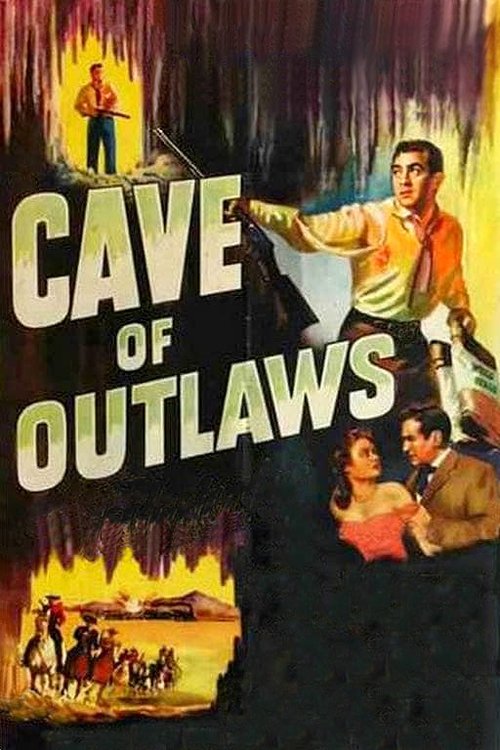
1951
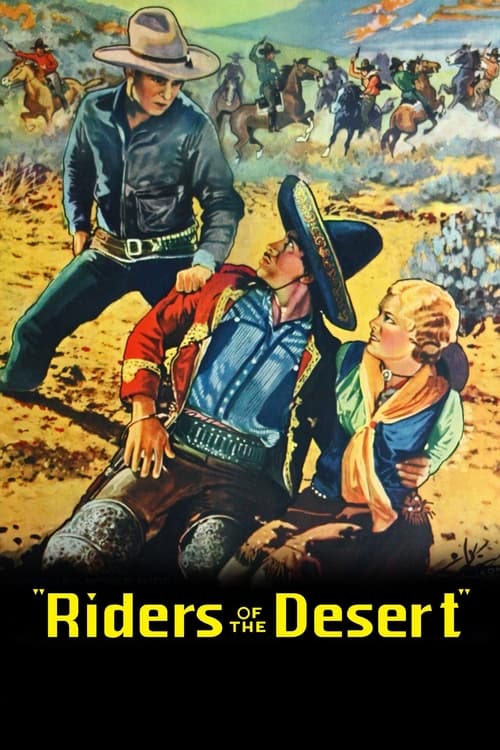
1932
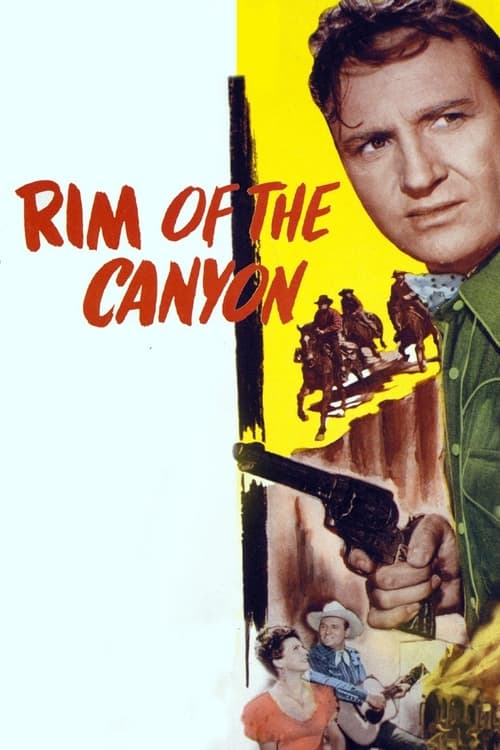
1949
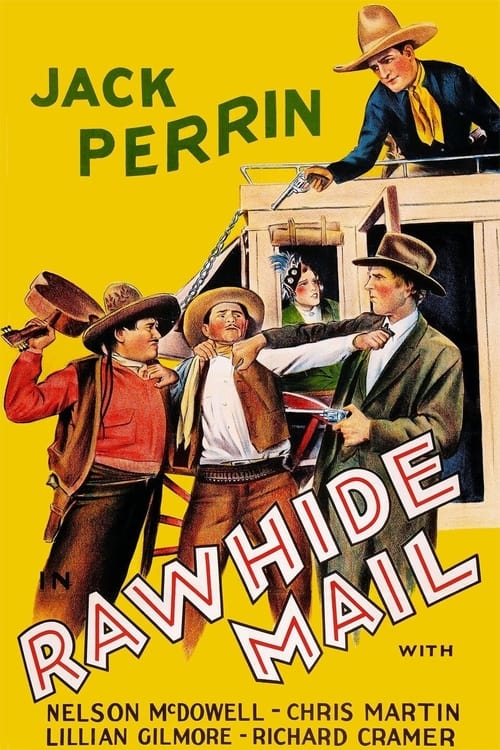
1934
No reviews yet. Be the first to share your thoughts on this movie!
Use the rating form above to leave a star rating and optional review.