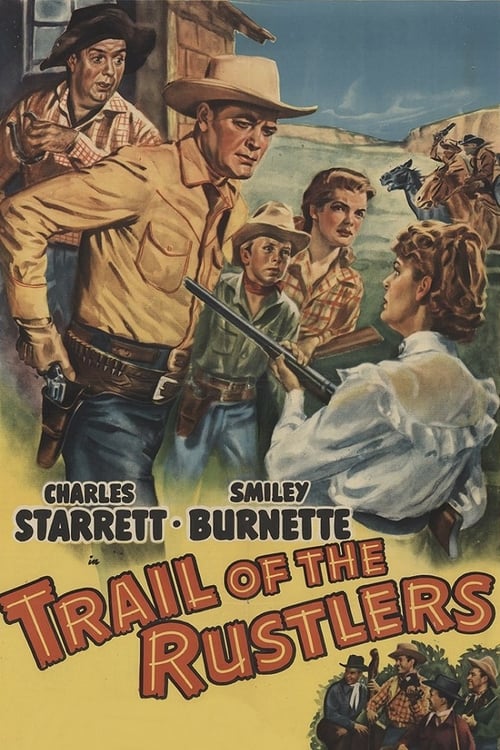
Trail of the Rustlers
1950
No user ratings available yet
Diversity score: 1.0 out of 10
1948
ApprovedDirector
Ray Nazarro
Runtime
54 minutes
Average Rating
No ratings yetSynopsis
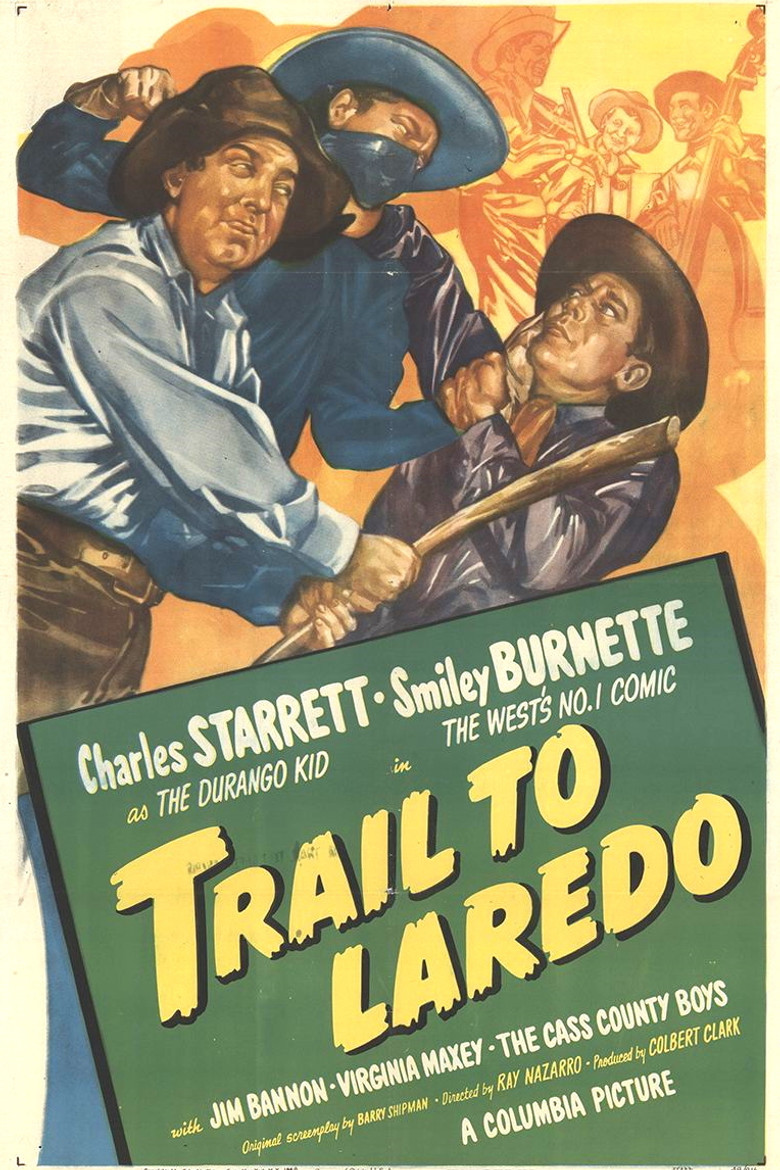
Filmed at the Providencia Ranch (today's Forrest Lawn in Burbank, CA), this typical "Durango Kid" Western featured the Cass County Boys performing "Go West Young Lady" by Sammy Cahn and Saul Chaplin, in addition to series regular Smiley Burnette singing his own "It's My Turn" and "The Yodeler. This time, the Durango Kid (Charles Starrett) is chasing down a gang of outlaws shipping stolen gold in crates marked "ring bolts," ably assisted by Smiley, a treasury agent working undercover as a house painter. Virginia Maxey supplies female interest and little Tommy Ivo, in one of his six appearances in the Durango Kid series, also gets in the way of the action.
Overall Score
Minimal
Category Breakdown
LGBTQ+ Representation
The film follows a conventional heteronormative structure. There is no evidence of non-cisnormative identities or same-sex intimacy, as female characters serve primarily as romantic interests.
Gender Representation
The narrative centers on male-driven action and law enforcement. While women appear, they occupy supporting roles that facilitate the protagonist's journey rather than exercising independent agency.
Racial & Ethnic Diversity
Casting is overwhelmingly homogeneous, reflecting the production standards of 1948 B-Westerns. The film lacks significant racial diversity or characters of color with meaningful agency.
Religious & Cultural Diversity
The plot reinforces traditional Western institutions and capitalist ideals through the protection of property. It promotes a clear-cut morality of law versus outlawry without deconstructing social structures.
Disability Representation
There are no discernible depictions of physical or neurodivergent characters. Disability is not utilized as a narrative device within this production.
Strengths
Areas for Improvement
AI Analysis
Trail to Laredo is a quintessential mid-century B-Western that prioritizes established social hierarchies. The film's architecture reinforces traditional frontier archetypes and a strictly heteronormative social order. By focusing on individual heroism and the sanctity of property, the narrative adheres to a conservative model. It functions as a standard genre piece that offers no disruption to the era's status quo. Ultimately, the film lacks the intentionality required to expand upon the demographic or social frameworks of the 1940s, remaining firmly within the bounds of conventional Western tropes.
1950
1948
1948

1946
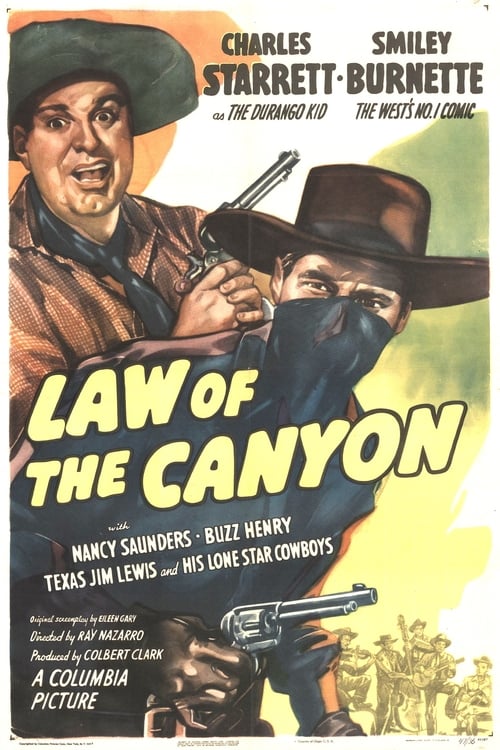
1947
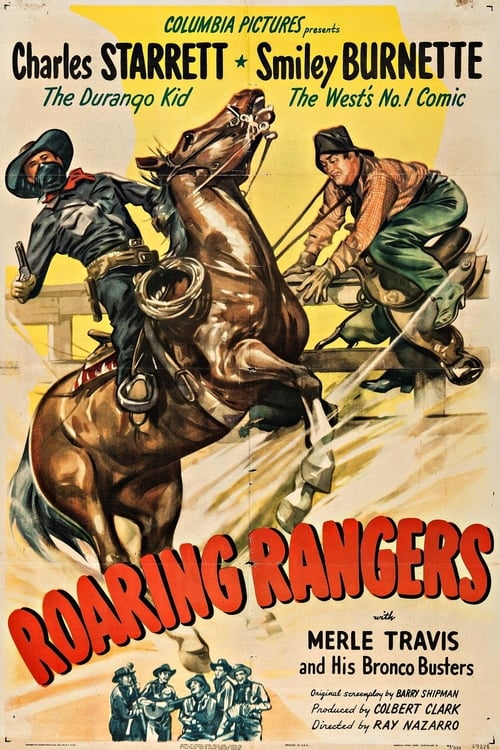
1946
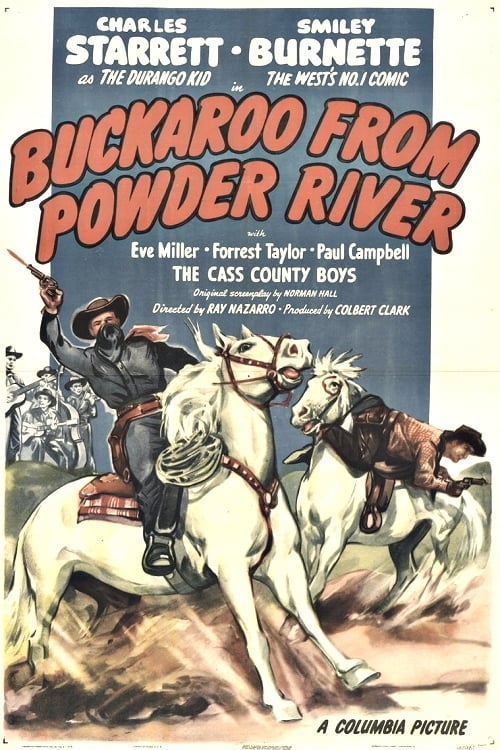
1947
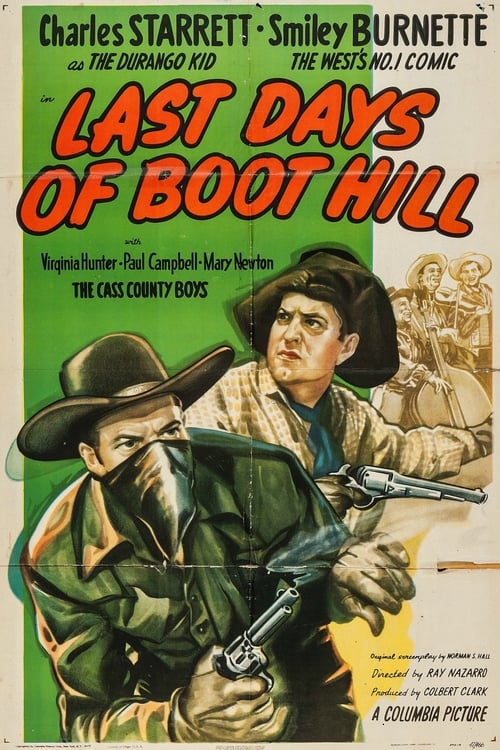
1947
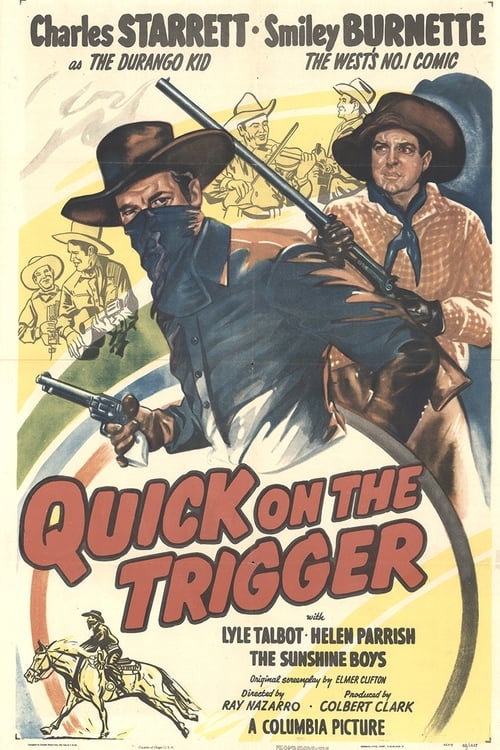
1948
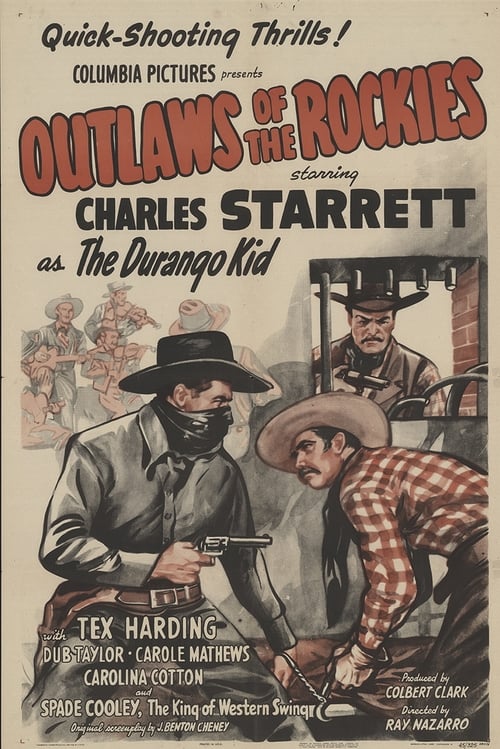
1945
1953
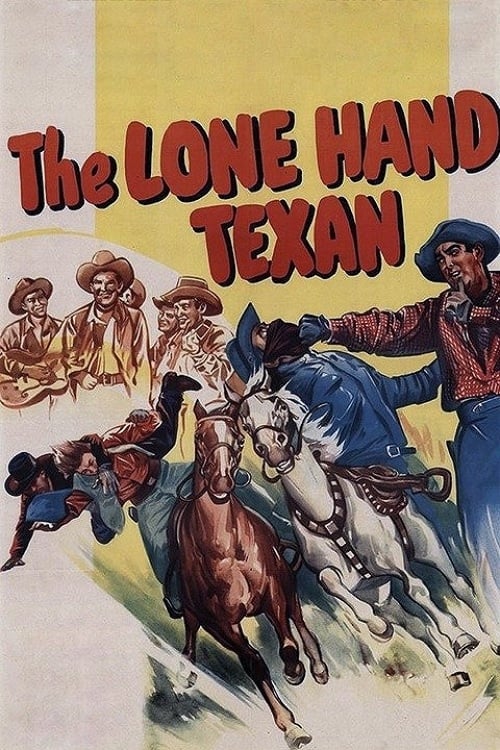
1947
No reviews yet. Be the first to share your thoughts on this movie!
Use the rating form above to leave a star rating and optional review.