Mexicali Rose
1929
No user ratings available yet
Representation score: 1.3 out of 10
Representation Score
Minimal
1929
PassedDirector
Reginald Barker
Runtime
68 minutes
Average Rating
No ratings yetNew Showbiz Analysis
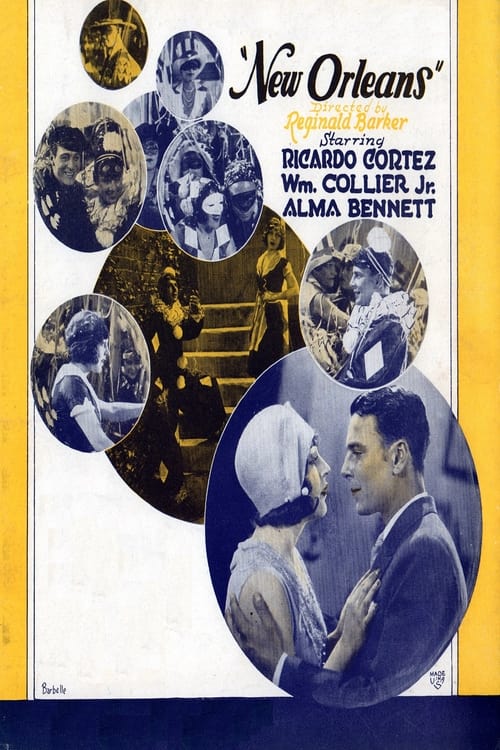
New Orleans (1929) functions as a conventional melodrama, relying on well-worn clichés of romantic betrayal and moral causality. The narrative structure centers on a traditional love triangle that reinforces the social hierarchies of its time. While Marie plays a significant role in driving the story to disrupt the lives of the male characters, her role serves as a cautionary tale. The film does not make intentional efforts to provide diverse or characters who reflect more than one aspect of diversity, nor does it challenge standard dramatic conventions. Overall, the work serves as a typical drama of its era, prioritizing moralistic storytelling over social subversion or diverse character perspectives.
Category Breakdown
The film does not include any queer subtext or non-cisgender identities. The plot revolves around a heterosexual love triangle involving two men and one woman.
Marie drives the plot through her extravagance and ability to act, but she is portrayed mainly through her moral failures. The male characters dominate with professional competence and legal authority.
The story focuses on a central trio without showing any diversity or non-Anglo-Saxon backgrounds. Despite being set in New Orleans, there is no indication of multi-layered ethnic perspectives.
The narrative adheres to a traditional moralistic storyline of sin and redemption. It upholds conventional social orders without challenging Western institutions or exploring moral relativism.
The film does not depict any characters dealing with physical, neurodivergent, or mental health conditions. The conflicts are purely interpersonal and socio-economic.
Present on Screen
Limited or Absent
Official Synopsis
Billy, a jockey, and Jim, an assistant manager of a New Orleans racetrack, are close friends. They become bitter enemies because of Marie, an unprincipled young woman who marries Jim after betraying her first fiancé, Billy, on their wedding day. Marie's extravagance causes Jim to steal money from the office safe and to bet on Billy. Billy wins, but Jim is arrested and sent to jail when Marie neglects to replace the stolen money. Jim serves his term and is reunited with Billy after Marie and her lover are turned out of the house.
1929
1952
1934

1927
1926
1931
1930

1933
No reviews yet. Be the first to share your thoughts on this movie!
Use the rating form above to leave a star rating and optional review.