Humoresque
1947
No user ratings available yet
Representation score: 3.9 out of 10
Representation Score
Minimal
1935
ApprovedDirector
Philip Moeller
Runtime
78 minutes
Average Rating
No ratings yetNew Showbiz Analysis
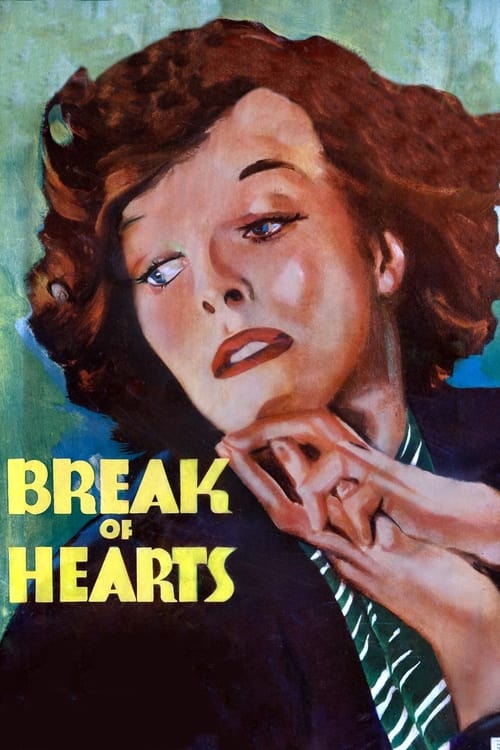
Break of Hearts is a traditional 1930s romantic melodrama that adheres to the social norms and narrative structures of its era. The plot emphasizes a conventional romantic storyline, with motivations centered around personal relationships and professional aspirations within a standard social framework. The film lacks complexity in representing diverse identities and social roles, instead reinforcing established social hierarchies.
Category Breakdown
The film centers on a heterosexual relationship and does not include any characters with non-straight or non-cisgender identities.
Constance is shown as an aspiring composer, indicating professional ambition. However, her role is limited by the plot focusing on the male lead's romantic desires.
The cast appears to be entirely white and Anglo-Saxon, reflecting the homogeneous casting practices of the 1930s.
The story upholds traditional social structures and hierarchies, reinforcing the status quo without challenging Western institutions or secular themes.
The film does not feature any characters dealing with physical, sensory, or neurodivergent conditions, nor does it explore disability as a central theme.
Present on Screen
Limited or Absent
Official Synopsis
Constance, a poor but aspiring composer, meets the great conductor, Franz, through their old music teacher. They fall in love, despite Constance knowing about Franz's weakness for pretty women.
1947
1939
1930
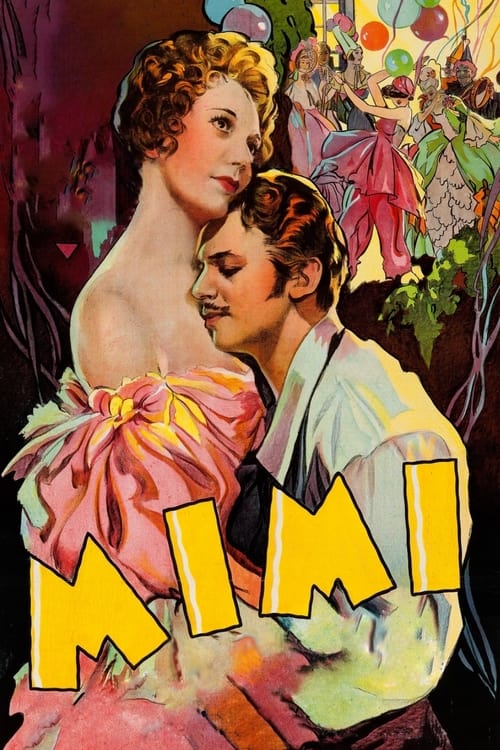
1935
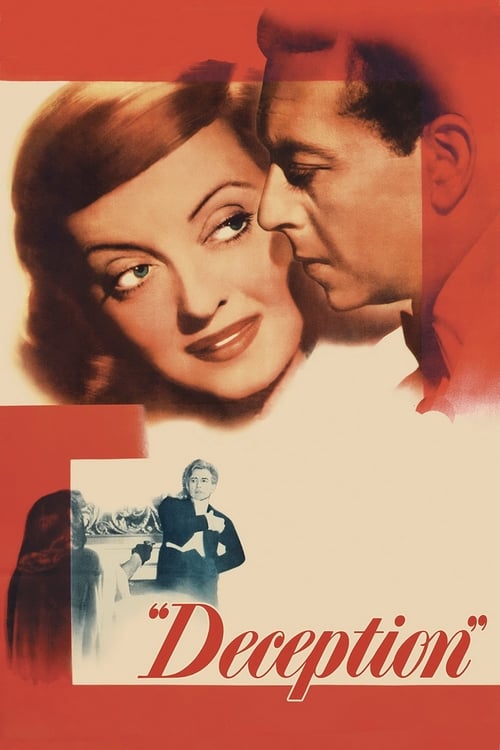
1946
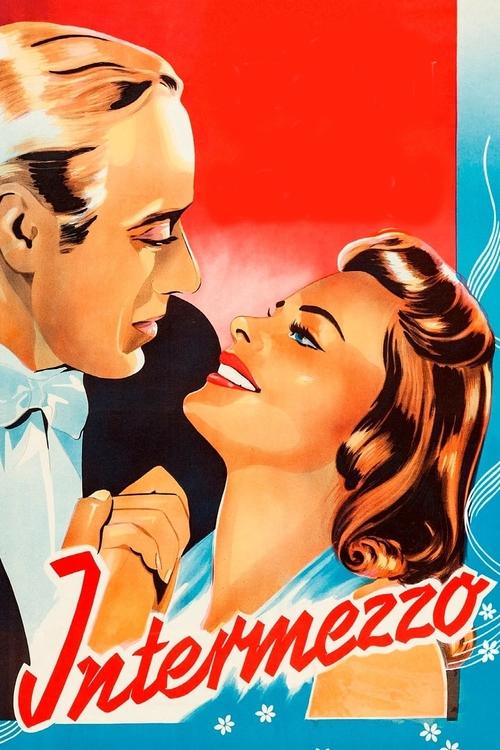
1939
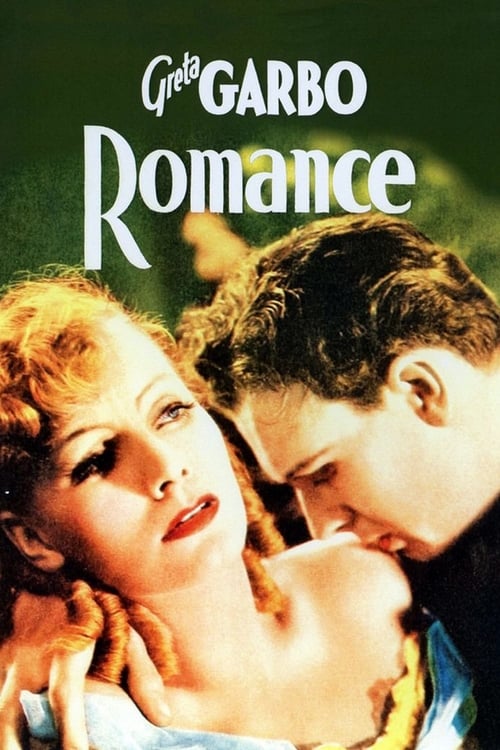
1930
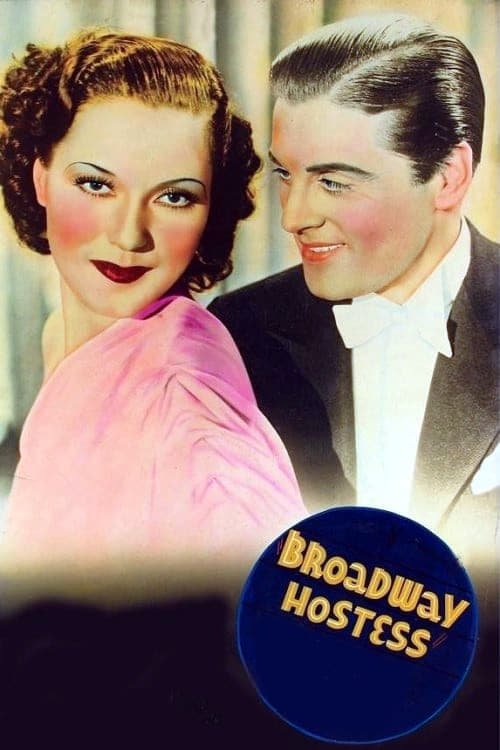
1935
No reviews yet. Be the first to share your thoughts on this movie!
Use the rating form above to leave a star rating and optional review.