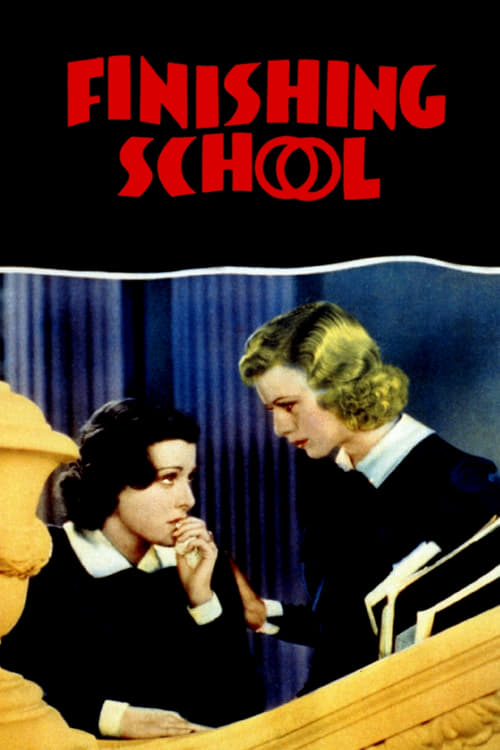
Finishing School
1934
No user ratings available yet
Diversity score: 1.8 out of 10

1944
Director
Anthony Asquith
Runtime
107 minutes
Average Rating
No ratings yetSynopsis
Returning to 1870's London after finishing at boarding school, Fanny winesses the death of her father in a fight with Lord Manderstoke. She then finds that her family has for many years been running a bordello next door to their home. When her mother dies shortly after, she next discovers that her real father is in fact a well-respected politician. Meeting him and then falling in love with his young advisor Harry Somerford leads to a life of ups and downs and conflict between the classes. Periodically the scoundrel of a Lord crosses her path, always to tragic effect.
Overall Score
Minimal
Category Breakdown
LGBTQ+ Representation
The film adheres to strict heteronormative structures. There is no depiction of same-sex intimacy or non-cisnormative gender identities.
Gender Representation
Fanny shows resilience within a restrictive Victorian hierarchy. However, the plot is largely driven by the actions and deceptions of male characters.
Racial & Ethnic Diversity
The cast is a homogeneous white, upper-class British group. The film lacks color-blind casting or non-Anglo-Saxon characters.
Religious & Cultural Diversity
The story focuses on Western social decorum and class distinctions. It explores personal melodrama rather than critiquing systemic institutional values.
Disability Representation
No characters with visible or invisible disabilities are featured. Disability is not used as a narrative device in this production.
Strengths
Areas for Improvement
AI Analysis
Fanny by Gaslight is a period melodrama that reinforces the social and gender hierarchies of the Victorian era. While the protagonist displays personal agency through her emotional resilience, the narrative remains tethered to a patriarchal structure where male actions dictate the plot's momentum. The film lacks intersectional depth, presenting a homogeneous white cast that reflects the era's lack of racial diversity. It operates within a traditional framework of Western decorum, focusing on individual betrayals rather than challenging systemic social structures. Ultimately, the film serves as a study of Victorian social codes. It prioritizes the preservation of class standing and reputation over the inclusion of diverse identities or the subversion of established norms.
1934
1962
1924
1923
1925
1929

1915
1933
1944
1938
1921
1943
No reviews yet. Be the first to share your thoughts on this movie!
Use the rating form above to leave a star rating and optional review.