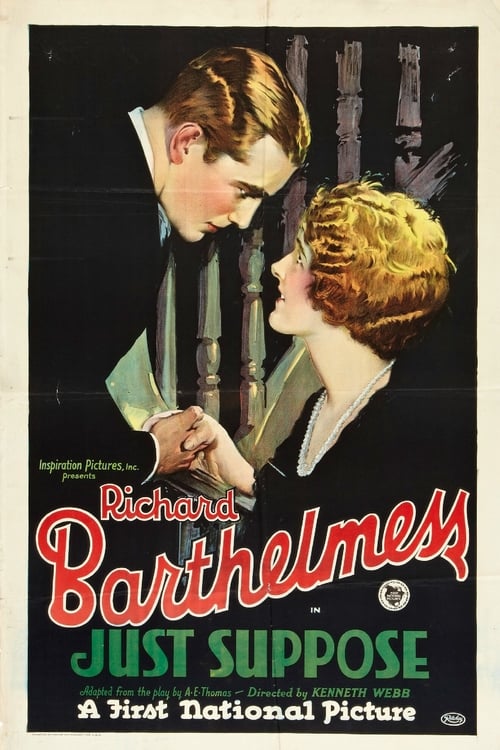
Just Suppose
1926
No user ratings available yet
Representation score: 1.2 out of 10

Representation Score
Minimal
1928
NRDirector
Ernst Lubitsch
Runtime
106 minutes
Average Rating
No ratings yetNew Showbiz Analysis
Ernst Lubitsch’s silent drama excels in emotional subtlety and structural elegance, yet it remains a product of its time. The film adheres strictly to the assumptions of straight relationships and a Eurocentric worldview. While the story offers a spirited romantic arc, it reinforces historical class hierarchies and traditional gender roles rather than challenging them. The narrative focuses on the conflict between personal desires and institutional duties within a narrow social lens. Ultimately, the film lacks the intention to provide layered representation or disrupt established power dynamics, remaining a traditional romantic drama.
Category Breakdown
The film centers on heterosexual relationships and does not include any queer identities or subtexts.
Gender roles are traditional, emphasizing the tension between personal desires and societal duties. While Kathie is shown to have a strong presence, the prince's position reinforces existing social hierarchies.
The cast and setting are uniform, reflecting the 1920s German context. The film presents a strictly Eurocentric perspective without diverse ethnic representation.
The narrative upholds traditional Western structures and class distinctions. It portrays the struggle of individuals against social and royal obligations without critiquing systemic institutions.
There are no visible or invisible disabilities portrayed. Characters are represented through romantic and social archetypes without addressing neurodivergence or physical disabilities.
Present on Screen
Limited or Absent
Official Synopsis
A young prince falls in love with a beautiful barmaid while at university in old Heidelberg.
1926
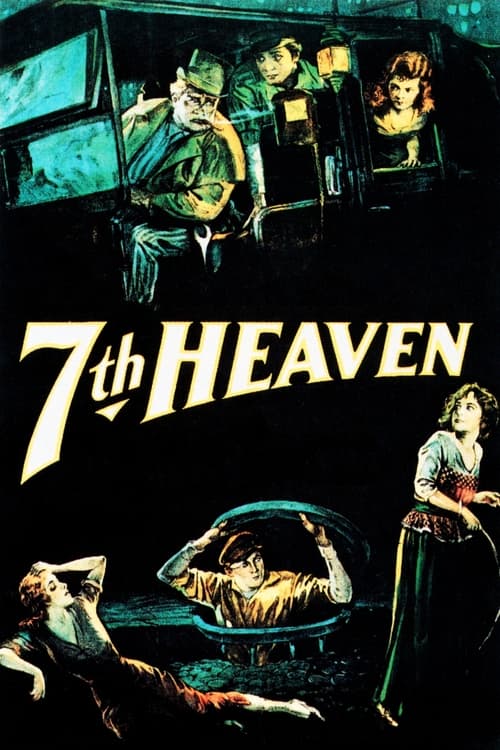
1927

1929

1932

1929

1955

1928
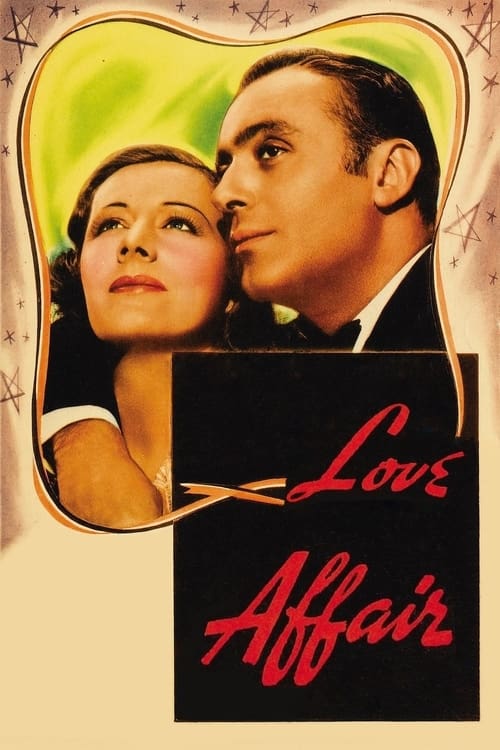
1939
No reviews yet. Be the first to share your thoughts on this movie!
Use the rating form above to leave a star rating and optional review.